
Sylnovia © 2026 · All Rights Reserved
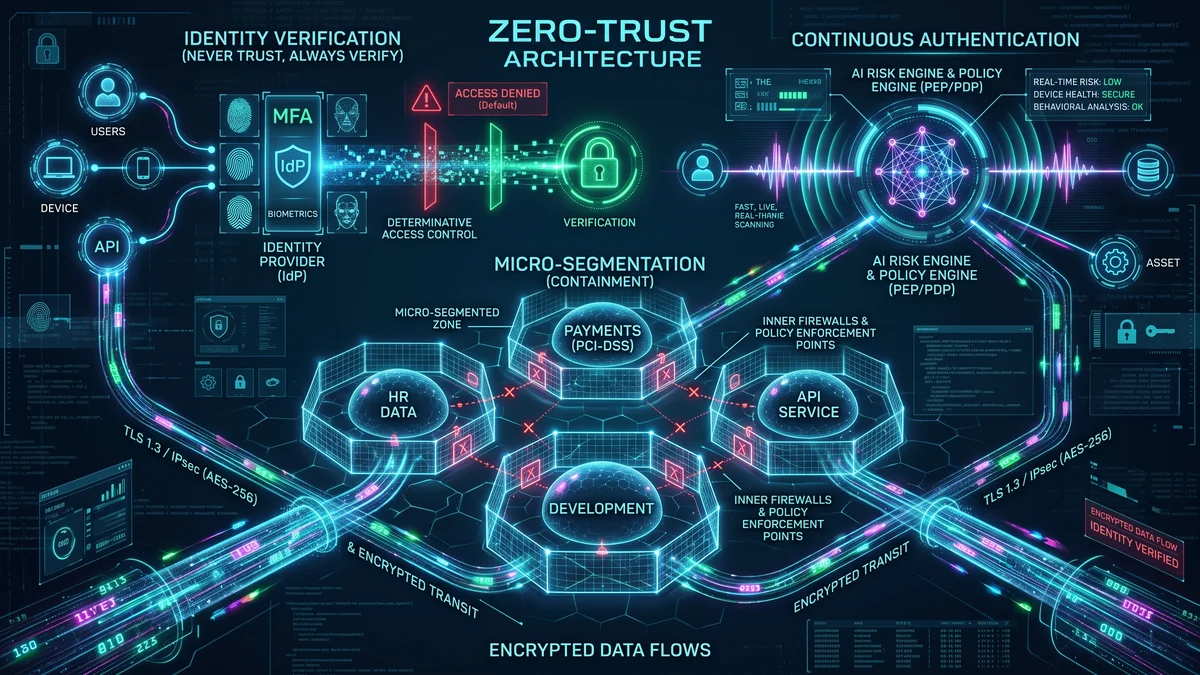
Traditional corporate cybersecurity relied on the "Castle-and-Moat" architecture: firewalls defended the perimeter (the moat), and once a user or service authenticated through the corporate VPN into the internal network (the castle), they were implicitly trusted with broad network access. Modern attackers who compromise a single employee laptop or VPN credential can easily move laterally across internal networks to compromise production databases.
Zero-Trust Architecture (ZTA), defined by the NIST SP 800-207 standard, fundamentally eliminates implicit trust. Its core principle is simple: Never Trust, Always Verify.
Modern Zero-Trust eliminates brittle corporate VPNs in favor of Identity-Aware Proxies (IAP) (e.g., Cloudflare Access, Google BeyondCorp). Employees access internal staging environments, admin dashboards, and Git servers over standard HTTPS, with the proxy validating identity, hardware security keys, and device compliance before granting access to specific applications.
Sylnovia designs and implements modern Zero-Trust network architectures, mTLS service meshes, and Identity-Aware access controls for enterprise software platforms. Secure your digital perimeter with our cybersecurity architects.
Delivering deep technical insights, architectural blueprints, and digital strategy for modern engineering squads.



The Strategic Hiring Dilemma for Growing Businesses When leadership teams decide to build a custom software platform or...
The False Dichotomy of Manual vs. Automated QA In software engineering discussions, testing is often framed as an all-o...
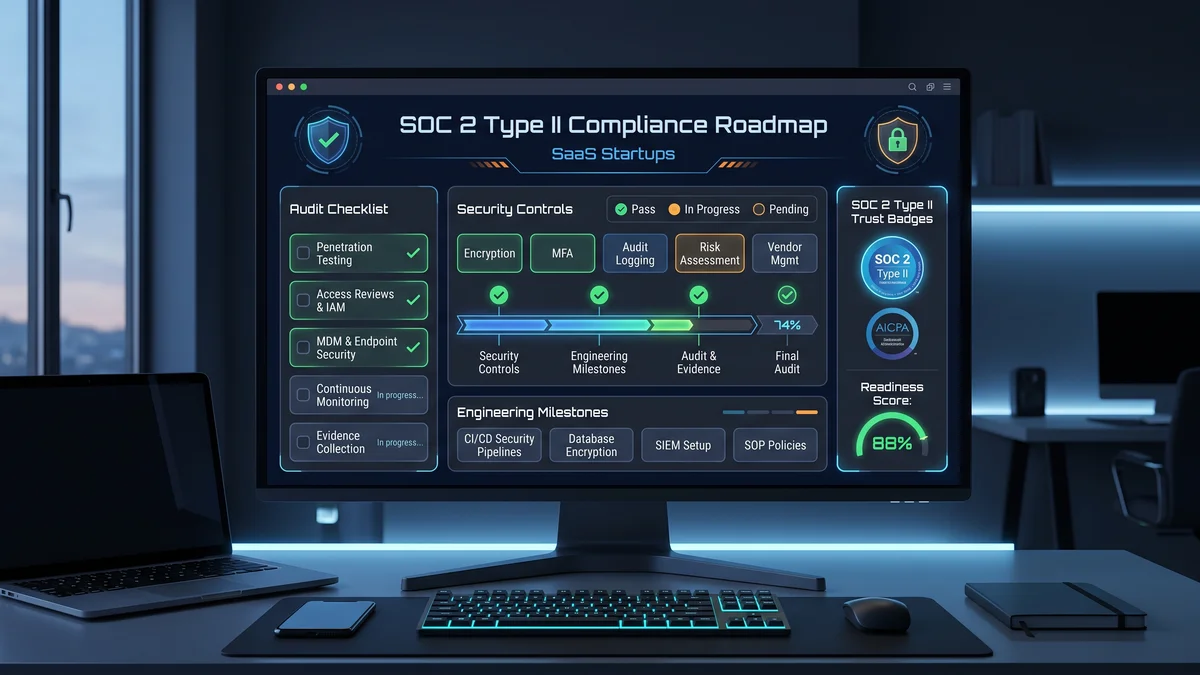
Why Enterprise B2B Buyers Mandate SOC 2 Type II When selling software to Fortune 500 enterprises, healthcare organizati...