Sylnovia
Sylnovia © 2026 · All Rights Reserved
Transmissions / Engineering Insight

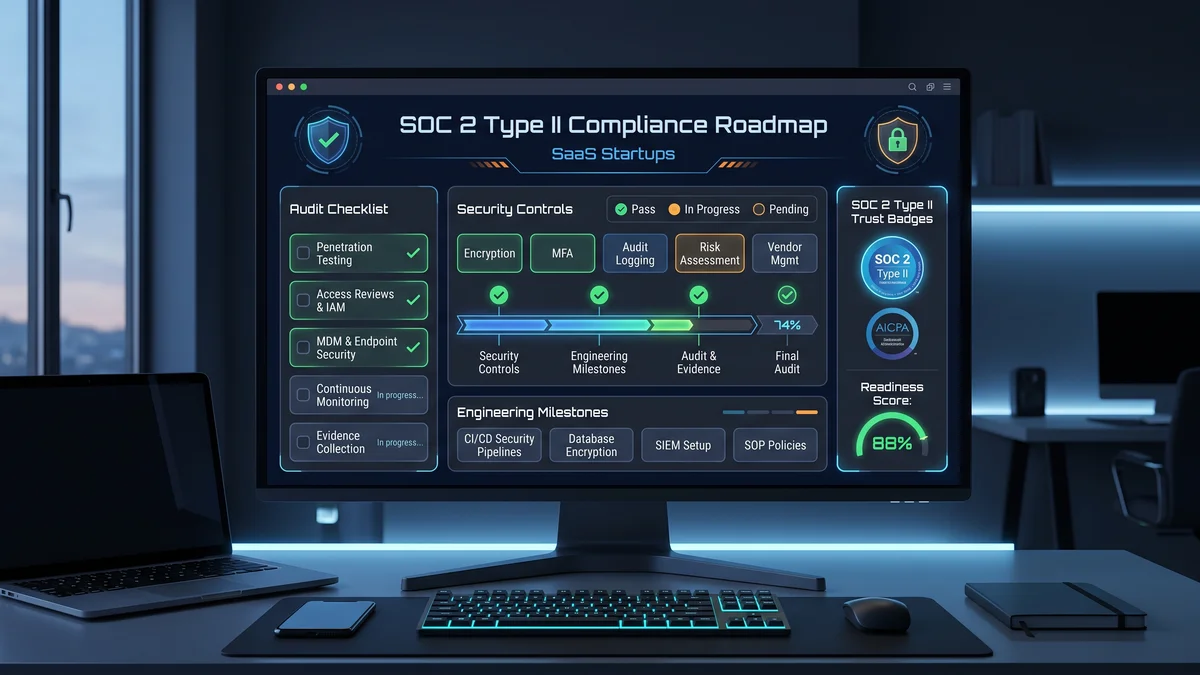
SOC 2 Type II Compliance for SaaS Startups: The Practical Engineering Roadmap

Date: October 18, 2026
•
Read Time: 2 Min Read
•
By: Sylnovia Labs
SOC 2 Type II Compliance for SaaS Startups: The Practical Engineering Roadmap

Why Enterprise B2B Buyers Mandate SOC 2 Type II

When selling software to Fortune 500 enterprises, healthcare organizations, or financial institutions, your sales pipeline will inevitably hit a wall without a verified SOC 2 Type II report. Enterprise security and procurement teams cannot take your word that your cloud platform is secure. SOC 2 proves that an accredited independent auditor has verified your security controls over a sustained 3-to-12 month evaluation window.

While preparing for a SOC 2 audit can feel daunting, following a structured engineering roadmap turns compliance into an automated competitive advantage.

SOC 2 Type I vs. Type II: Understanding the Difference

  • SOC 2 Type I: Evaluates whether your security policies and controls are designed appropriately at a single, static point in time. Suitable as a quick stepping stone.
  • SOC 2 Type II: Evaluates whether those controls operated effectively over an extended period (typically 6 months). This is the gold standard required by enterprise procurement officers.

The 5 Core Technical Security Controls

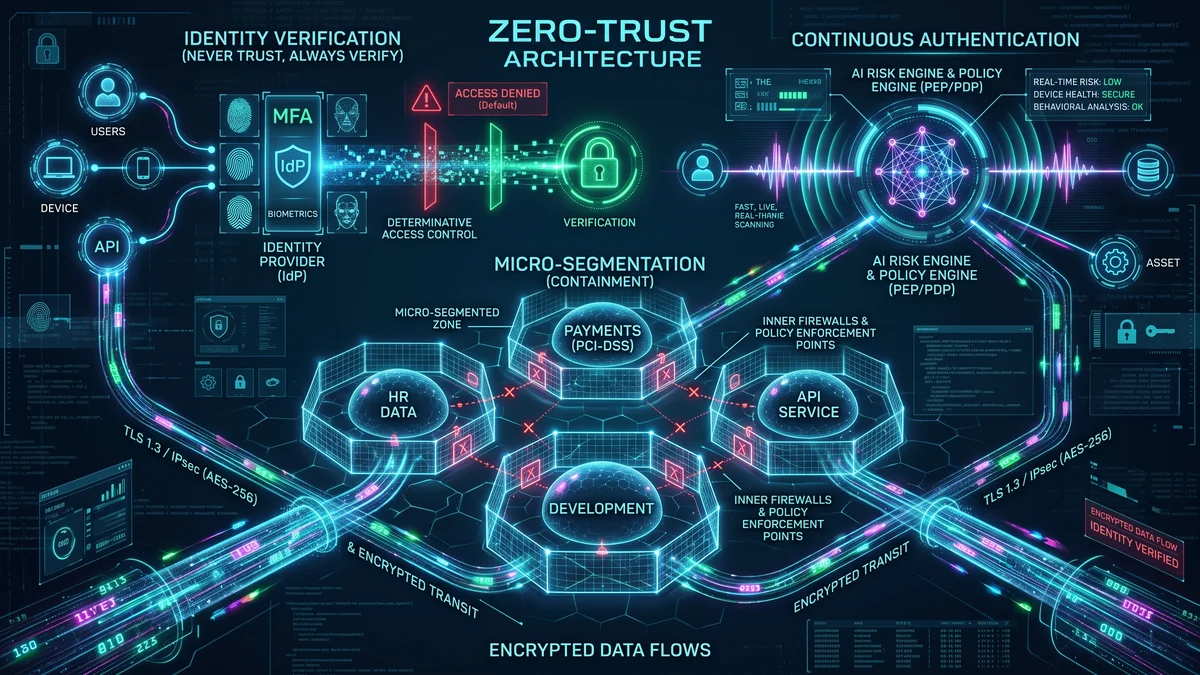
  1. Universal Multi-Factor Authentication (MFA): Enforce hardware security keys (FIDO2/WebAuthn) or time-based one-time password (TOTP) authenticator apps on every single company account (GitHub, AWS, Google Workspace, Slack, 1Password) with zero exceptions. SMS authentication is prohibited due to SIM-swapping risks.
  2. Automated Cloud Evidence Collection: Implementing compliance automation platforms (such as Vanta or Drata) that continuously monitor your cloud infrastructure via read-only API connectors, automatically alerting your team if an unencrypted database or open S3 bucket appears.
  3. Continuous Vulnerability Scanning & Patch SLAs: Automated dependency scanning (Dependabot/Snyk) and container image scanning integrated into CI/CD pipelines, backed by strict remediation SLAs (e.g., Critical vulnerabilities patched within 48 hours; High within 14 days).
  4. Least-Privilege Infrastructure Access & Ephemeral Credentials: Developers must not possess permanent production database credentials. Access to production systems must route through an Identity-Aware Proxy (Teleport, AWS SSM) requiring explicit time-bound approvals and session recording.
  5. Formal Employee Onboarding & Offboarding: Automated Single Sign-On (SSO) and SCIM provisioning that revokes all corporate access within one hour of an employee departure.

Fast-Track SOC 2 Compliance with Sylnovia

At Sylnovia, we guide B2B software companies through engineering audits, infrastructure hardening, and automated SOC 2 Type II preparation. Accelerate your enterprise sales pipeline by contacting our security team today.

S

Published by Sylnovia Engineering

Delivering deep technical insights, architectural blueprints, and digital strategy for modern engineering squads.