
Sylnovia © 2026 · All Rights Reserved

Modern web users expect dynamic real-time collaboration: live chat, collaborative document editing, real-time analytics updates, and instant notification badges. However, choosing the wrong communication protocol for your real-time features can cripple server memory, exhaust connection pools, and burn cloud budgets.
Engineering teams must evaluate three distinct approaches: Short/Long Polling, Server-Sent Events (SSE), and WebSockets.
EventSource API, and significantly lower server memory overhead than WebSockets.ws:// or wss://). Both client and server send messages instantly with minimal frame overhead.Managing 100,000 persistent socket connections requires distributed pub/sub infrastructure. Use dedicated socket gateways like Laravel Reverb, Redis Pub/Sub, or managed services like Pusher and AWS API Gateway WebSocket APIs to handle connection termination and message broadcasting across server fleets.
Learn how Sylnovia coordinated long-haul vehicle schedules, digital waybills, and real-time electronic proof-of-delivery (e-POD).
Sylnovia architects resilient real-time web applications with sub-second data streaming and horizontal socket scaling. Schedule a real-time architecture consultation with our engineering team.
Delivering deep technical insights, architectural blueprints, and digital strategy for modern engineering squads.


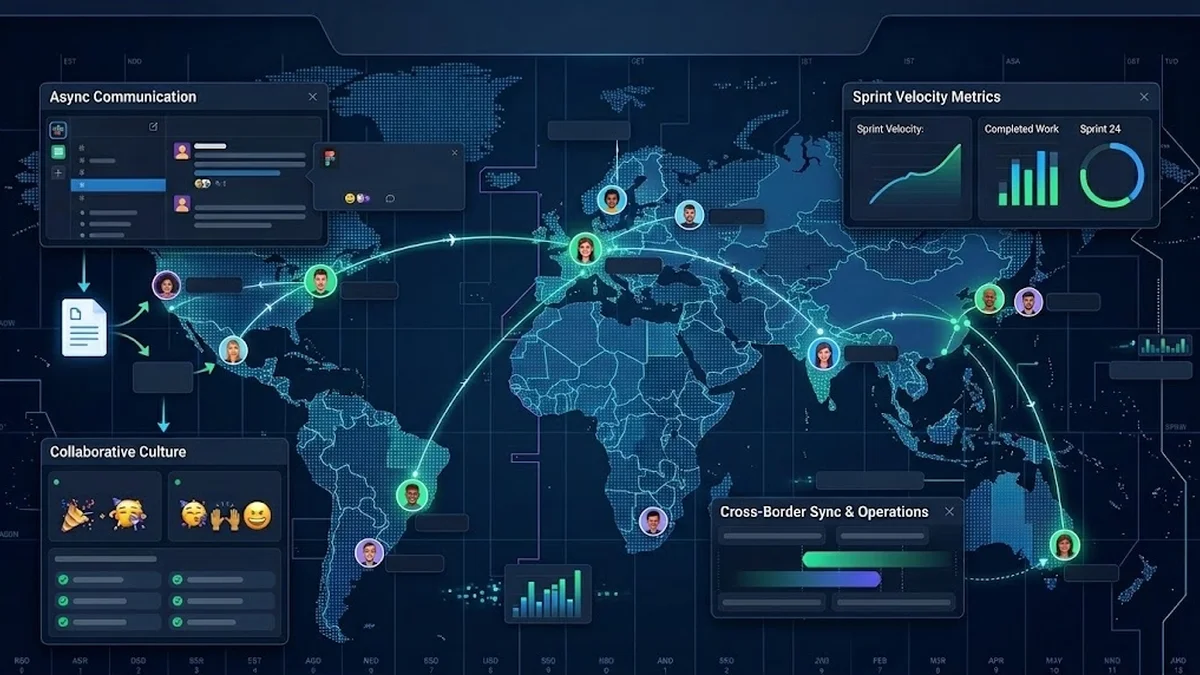
The Strategic Hiring Dilemma for Growing Businesses When leadership teams decide to build a custom software platform or...
The False Dichotomy of Manual vs. Automated QA In software engineering discussions, testing is often framed as an all-o...
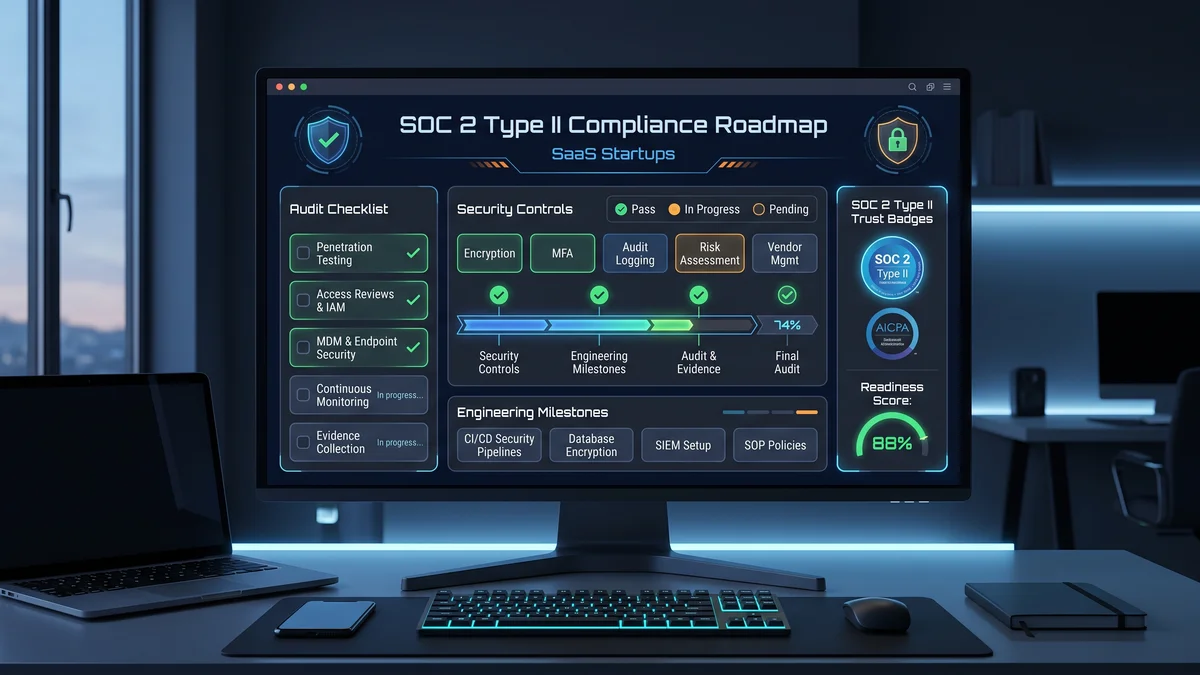
Why Enterprise B2B Buyers Mandate SOC 2 Type II When selling software to Fortune 500 enterprises, healthcare organizati...