
Sylnovia © 2026 · All Rights Reserved
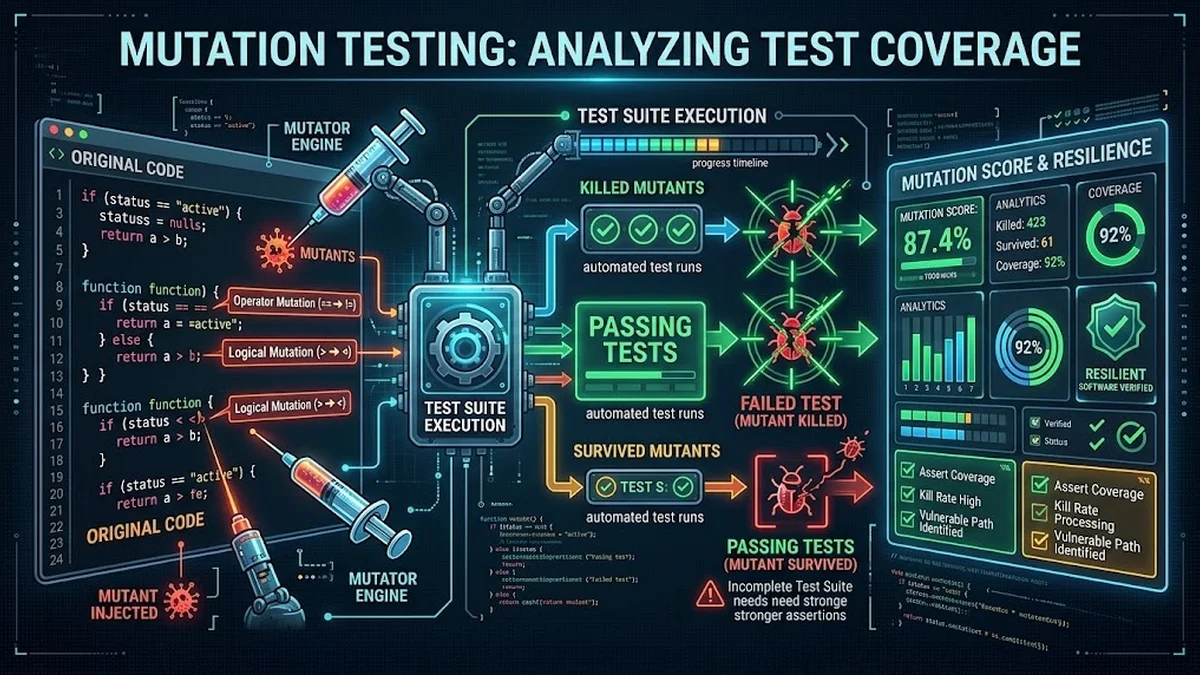
Most developers write software in a traditional, error-prone sequence: write hundreds of lines of application code, manually test in the browser by clicking around, and if time permits before sprint deadlines, rush through a few superficial unit tests. This approach leads to tight coupling, untestable code, and endless regression bugs.
Test-Driven Development (TDD), pioneered by Kent Beck, inverts this workflow: you write the automated test before writing a single line of production implementation code.
Write an automated unit test that specifies a desired behavior (e.g., calculating prorated subscription credits). Run the test suite: the test fails (RED) because the implementation does not exist yet. This proves the test is valid and not passing erroneously.
Write the simplest, most straightforward code necessary to make the test pass (GREEN). Do not worry about architectural elegance or optimization at this stage; focus strictly on satisfying the test specification.
Now that you have a passing test acting as a safety net, refactor the code: remove duplication, extract helper classes, improve variable naming, and optimize algorithms. Re-run tests after every change: the suite remains GREEN.
At Sylnovia, our engineers practice disciplined Test-Driven Development and clean architecture, delivering robust, enterprise-grade software that stands the test of time. Partner with our engineering specialists today.
Delivering deep technical insights, architectural blueprints, and digital strategy for modern engineering squads.




The Strategic Hiring Dilemma for Growing Businesses When leadership teams decide to build a custom software platform or...
The False Dichotomy of Manual vs. Automated QA In software engineering discussions, testing is often framed as an all-o...
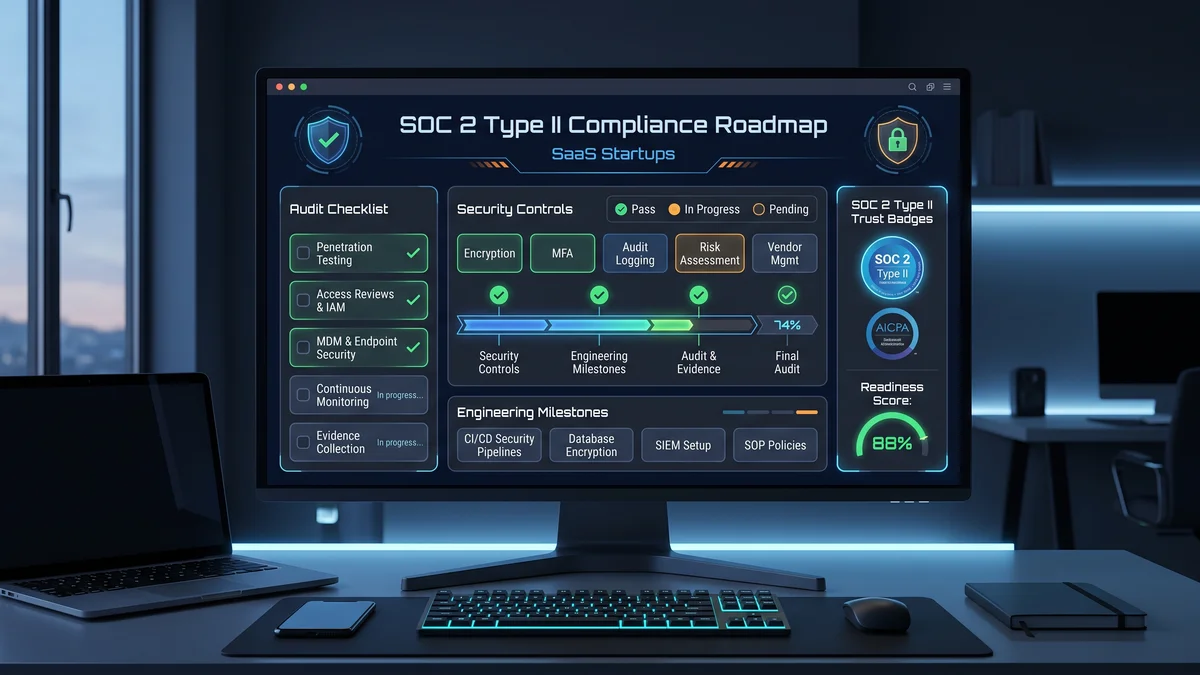
Why Enterprise B2B Buyers Mandate SOC 2 Type II When selling software to Fortune 500 enterprises, healthcare organizati...