Sylnovia
Sylnovia © 2026 · All Rights Reserved
Transmissions / Engineering Insight

Technical Due Diligence: What Investors and Acquirers Look for in Your Codebase

Date: September 26, 2026
•
Read Time: 2 Min Read
•
By: Sylnovia Labs
Technical Due Diligence: What Investors and Acquirers Look for in Your Codebase

What Private Equity and Venture Capital Look for in Your Code

During a major funding round or corporate acquisition, the deal does not close solely on pitch decks and financial spreadsheets. Investors commission a rigorous Technical Due Diligence audit conducted by veteran software architects. A single hidden critical flaw—unresolved licensing liabilities, catastrophic technical debt, lack of test coverage, or unpatched cybersecurity vulnerabilities—can slash millions off company valuation or kill the deal entirely.

Preparing for technical due diligence requires proactively auditing and documenting your codebase long before entering the boardroom.

The 5 Core Pillars of a Technical Due Diligence Audit

  1. 1. Architectural Scalability & System Health: Auditors evaluate whether your current architecture can support 10x user growth without collapsing. Are databases properly indexed? Is compute horizontally autoscaling? Are microservices cleanly decoupled, or is it a distributed monolith?
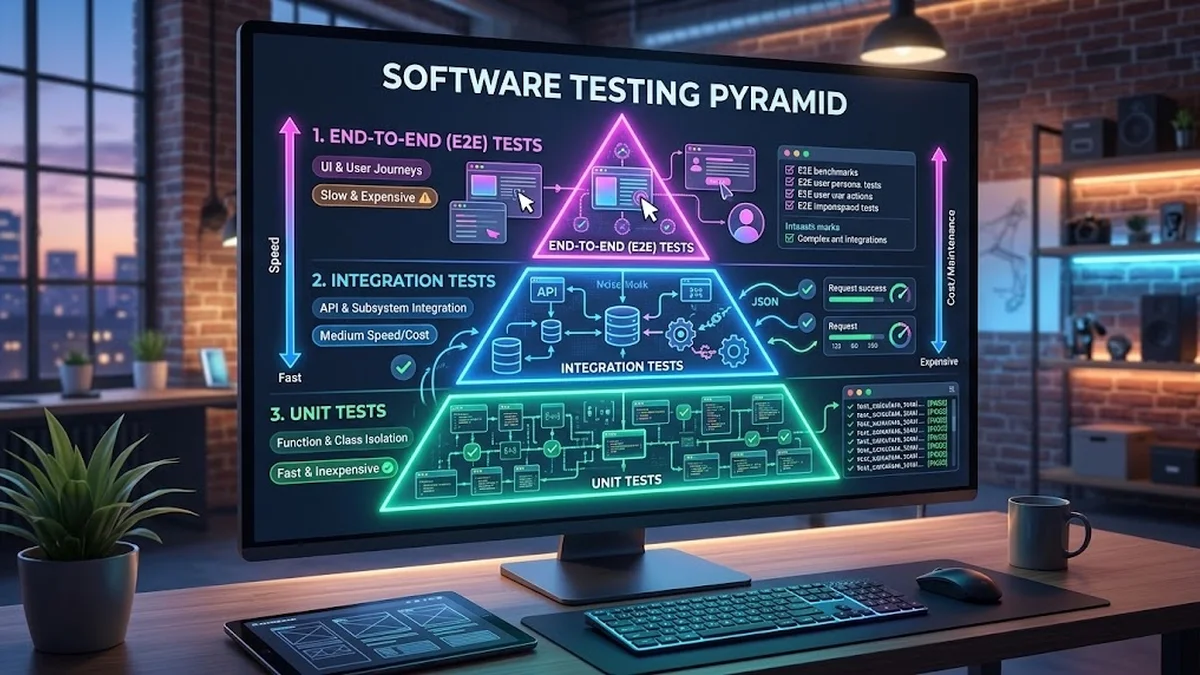
  2. 2. Code Quality, Test Coverage & Technical Debt: Auditing code structure, adherence to modern design patterns, and automated test coverage (unit, integration, and E2E tests). A codebase with zero automated tests signals massive future maintenance expenditure.
  3. 3. Open-Source Licensing Compliance (GPL Contamination): Scanning third-party dependencies for restrictive copyleft licenses (GPL, AGPL). Inadvertently linking AGPL open-source code inside a proprietary commercial SaaS platform can legally force an enterprise to open-source its proprietary intellectual property.
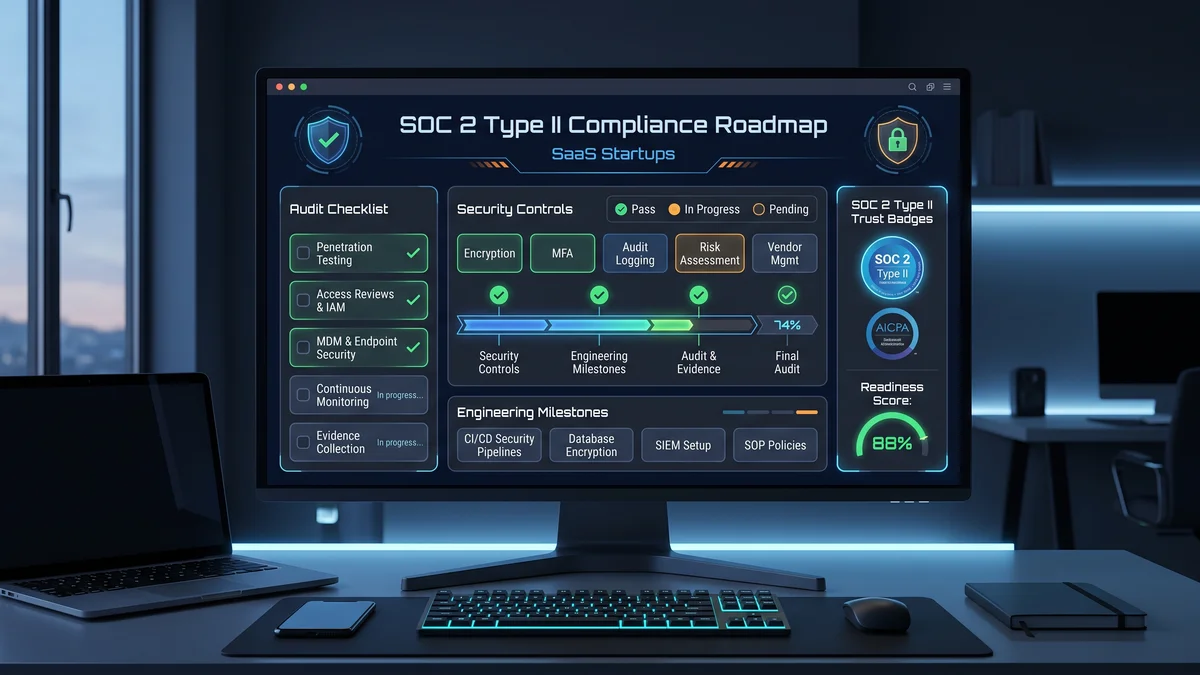
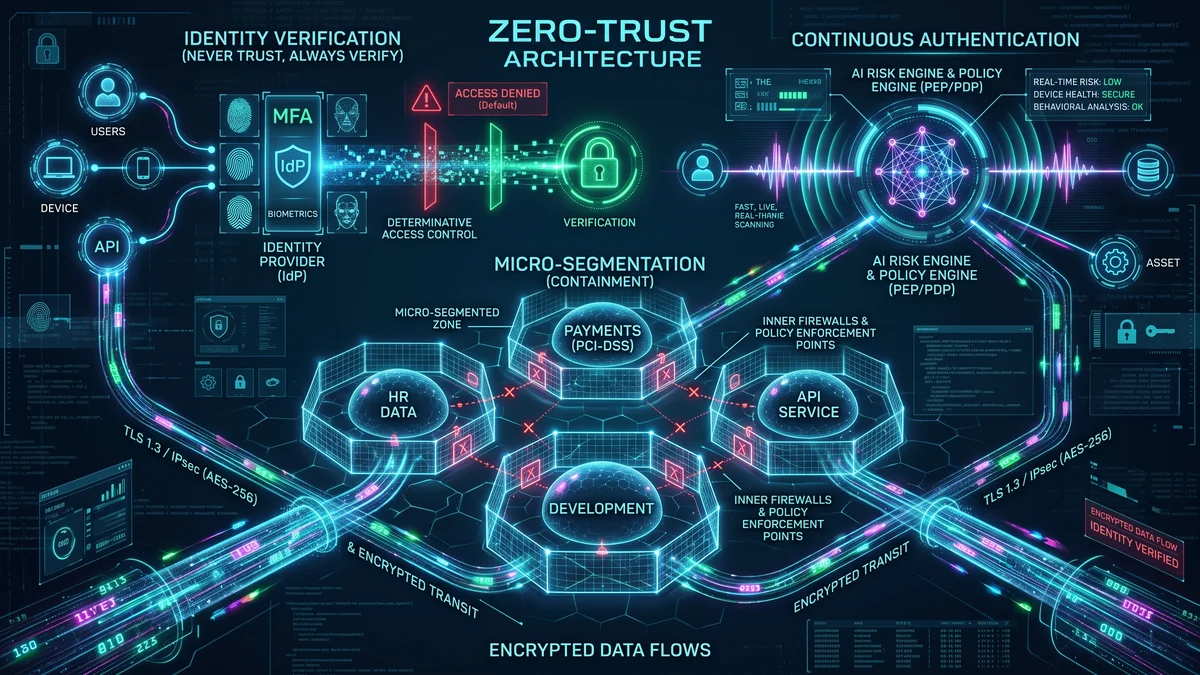
  4. 4. Cybersecurity Posture & Compliance: Verifying encryption at rest and in transit, access control enforcement, automated vulnerability scanning (SAST/DAST), and external penetration test reports. Possession of SOC 2 Type II or ISO 27001 certifications drastically accelerates audit sign-off.
  5. 5. Team Structure & "Key Person" Dependency Risk: If your software platform can only be deployed or debugged by a single lead engineer ("Bus Factor of 1"), investors view the company as an extreme operational risk. Comprehensive documentation, Architecture Decision Records (ADRs), and automated CI/CD pipelines prove the company can scale beyond its founders.

Prepare for Acquisition with Sylnovia

At Sylnovia, we conduct pre-diligence technical code audits, remediate architectural vulnerabilities, and prepare tech startups for high-valuation exits and funding rounds. Schedule a confidential codebase audit with our senior architects today.

S

Published by Sylnovia Engineering

Delivering deep technical insights, architectural blueprints, and digital strategy for modern engineering squads.