
Sylnovia © 2026 · All Rights Reserved

In the vast majority of software organizations, documentation follows a depressing lifecycle: enthusiastic developers spend weeks writing elaborate 50-page Confluence wikis during project kickoff. Within six months, code moves fast, architecture evolves, nobody updates the wikis, and documentation turns into obsolete fiction that actively misleads new hires.
Developers don't hate documentation—they hate documentation that is divorced from their daily workflow, impossible to keep synchronized with code, and buried in external wikis.
An Architecture Decision Record (ADR) is a lightweight, version-controlled markdown document that captures a single significant architectural decision made by the engineering team, alongside its full business context, evaluated alternatives, and trade-offs.
0014-adopt-postgresql-jsonb-for-audit-logging.md)./docs/adr directory alongside the source code. An architectural decision is reviewed, debated, and approved via the exact same Pull Request workflow as production code.ADRs eliminate costly developer turnover friction. When a new senior engineer asks, "Why did we choose Kafka over RabbitMQ?" or "Why is this module structured around CQRS?" they don't need to schedule meetings or guess—they read the exact ADR written when the decision was made.
At Sylnovia, disciplined architectural documentation is an integral pillar of our software craft. We deliver clean, self-documenting codebases accompanied by comprehensive ADRs, enabling your internal team to maintain and scale your platform effortlessly. Partner with an engineering team that builds for the long term.
Delivering deep technical insights, architectural blueprints, and digital strategy for modern engineering squads.

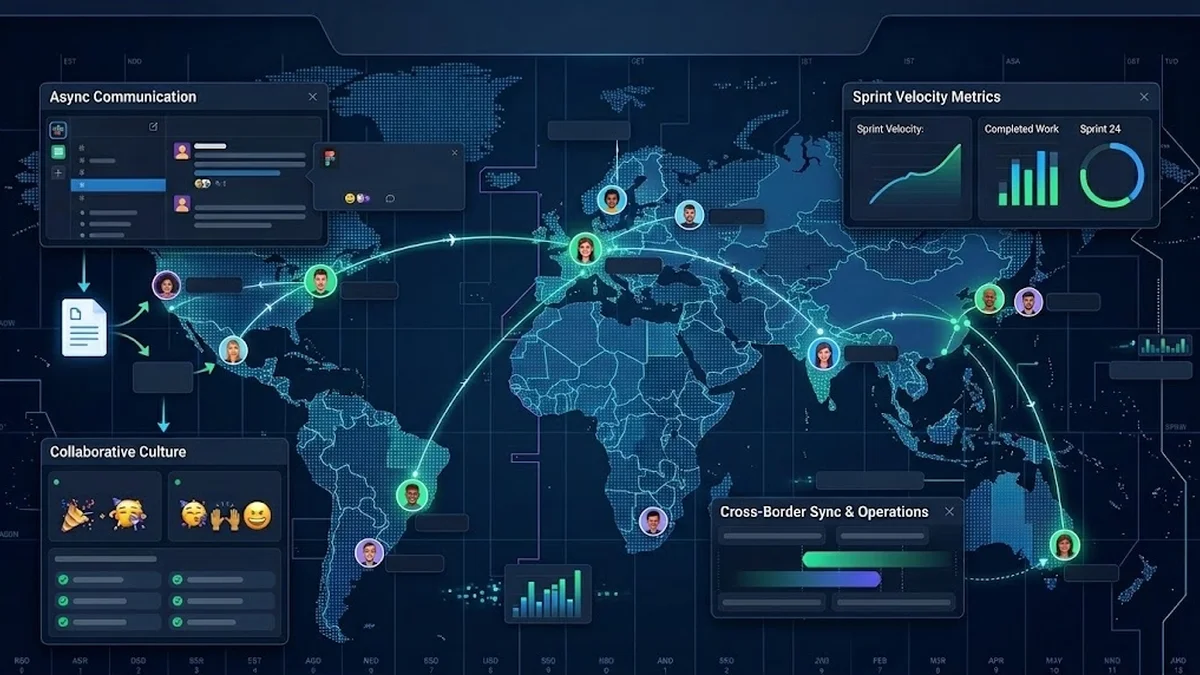
The Strategic Hiring Dilemma for Growing Businesses When leadership teams decide to build a custom software platform or...
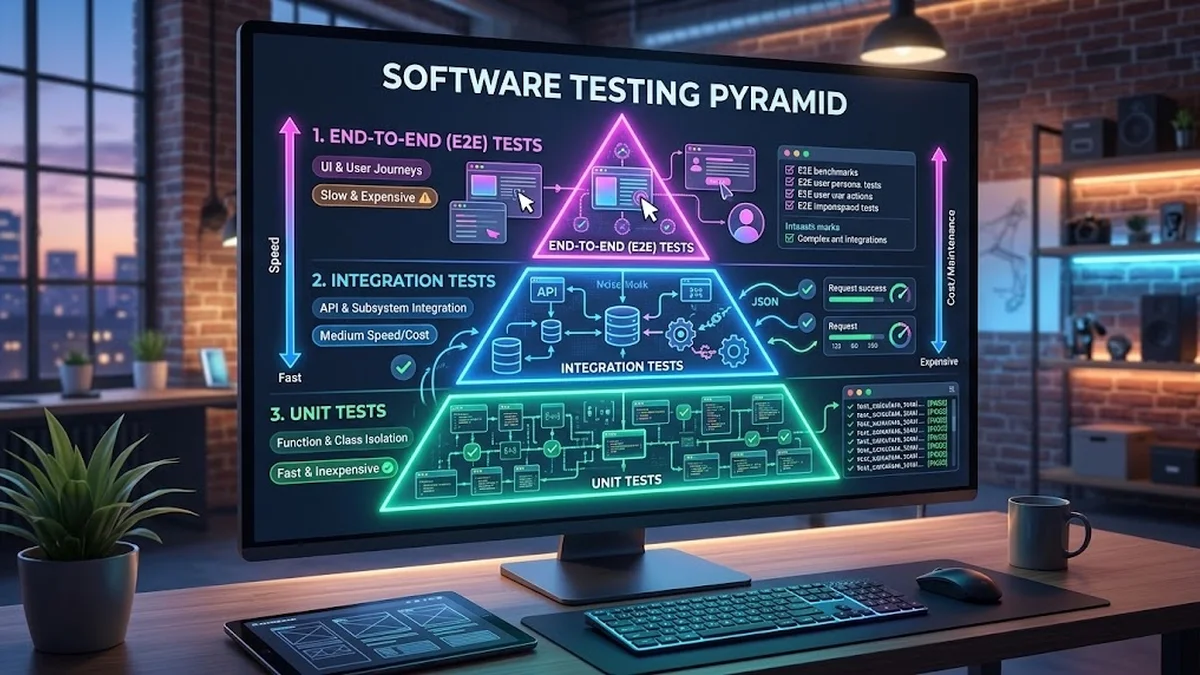
The False Dichotomy of Manual vs. Automated QA In software engineering discussions, testing is often framed as an all-o...
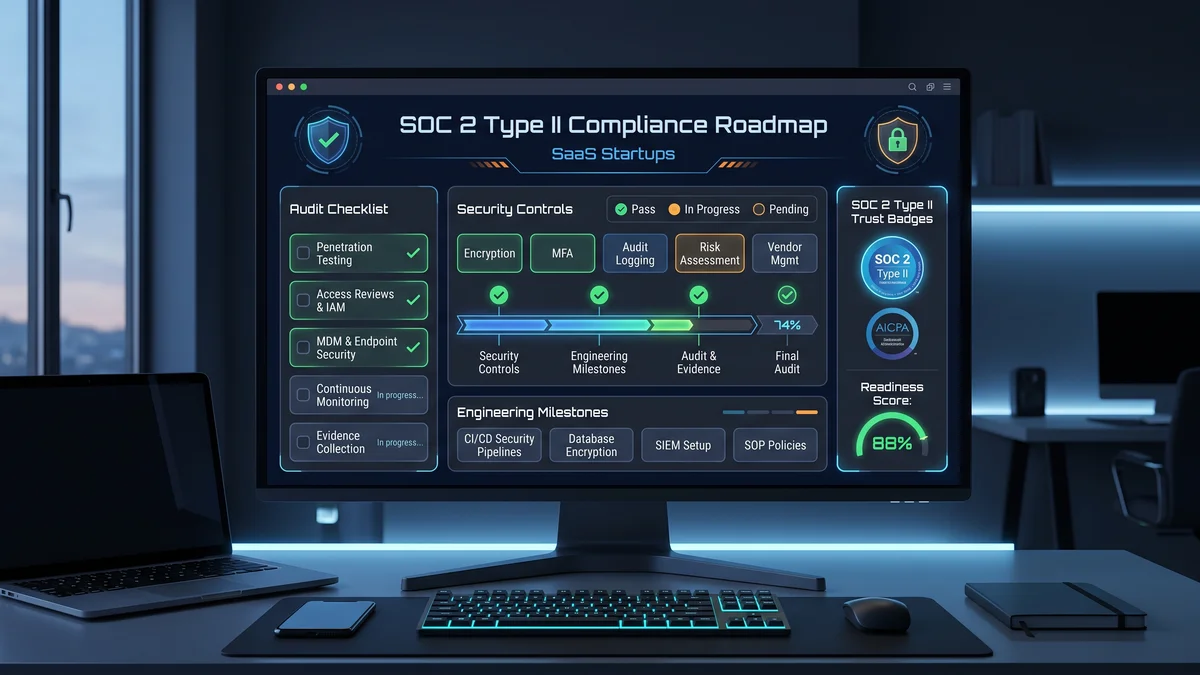
Why Enterprise B2B Buyers Mandate SOC 2 Type II When selling software to Fortune 500 enterprises, healthcare organizati...