
Sylnovia © 2026 · All Rights Reserved
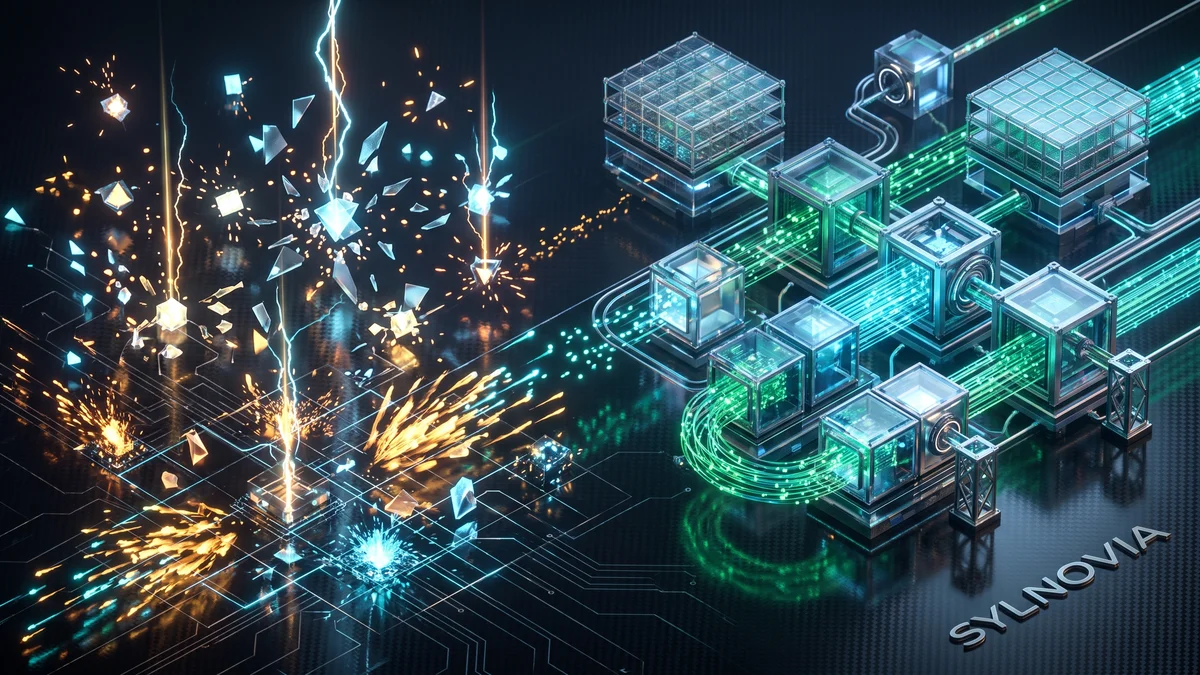
When designing cloud backends in 2027, engineering teams often face a fundamental debate: Should we package our application inside Docker containers running on managed clusters (AWS ECS / EKS / Fargate), or should we build with Serverless Functions (AWS Lambda / Google Cloud Functions)?
Both models offer powerful cloud abstractions, but choosing the wrong one can result in cold-start latency, skyrocketing cloud bills, and painful architectural constraints.
Event-driven, stateless functions that execute in response to triggers (HTTP request, S3 file upload, SQS queue message). You manage zero servers, zero OS patching, and pay strictly for the exact millisecond duration your code executes. When there is zero traffic, your compute cost is literally zero.
Self-contained, stateful or stateless long-running processes. You control the complete runtime environment, background daemons, local caching, and socket connections, paying for provisioned compute capacity over time.
Industry-leading architectures blend both: Run your core web application and persistent database connections inside Docker containers on AWS ECS, while offloading asynchronous event bursts, webhooks, and thumbnail processing to serverless AWS Lambda functions.
Sylnovia guides engineering leaders in selecting optimal compute architectures that balance performance, developer ergonomics, and infrastructure expenditure. Reach out for a tailored cloud evaluation.
Delivering deep technical insights, architectural blueprints, and digital strategy for modern engineering squads.
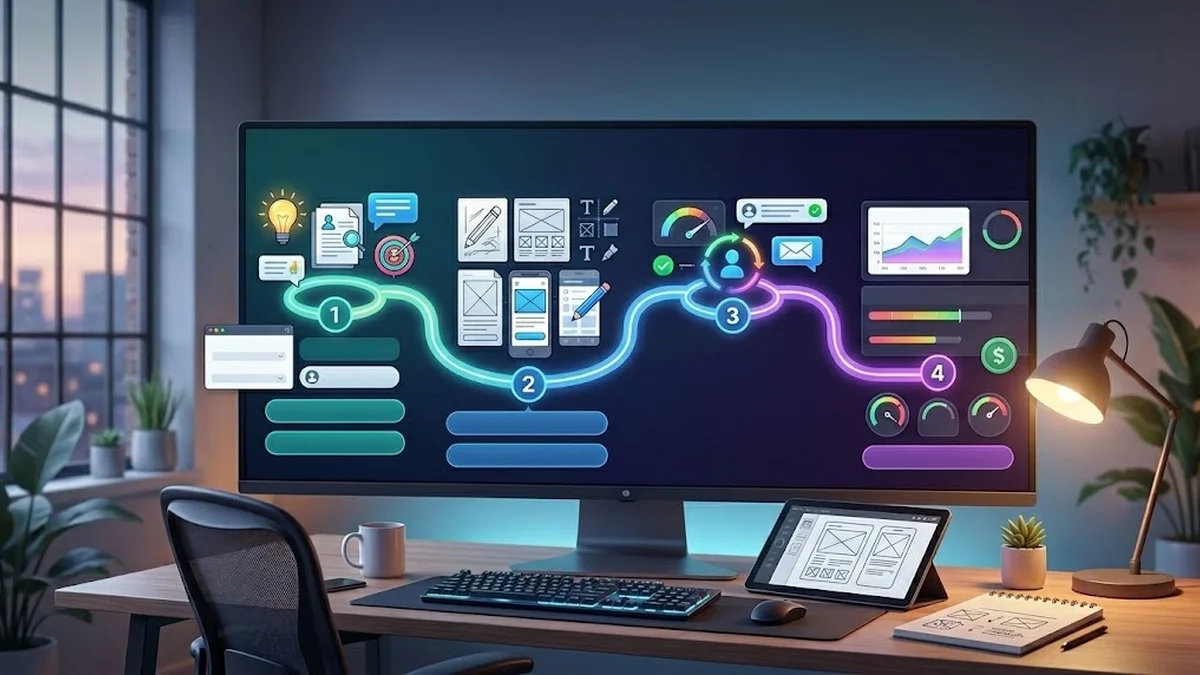
The Strategic Hiring Dilemma for Growing Businesses When leadership teams decide to build a custom software platform or...
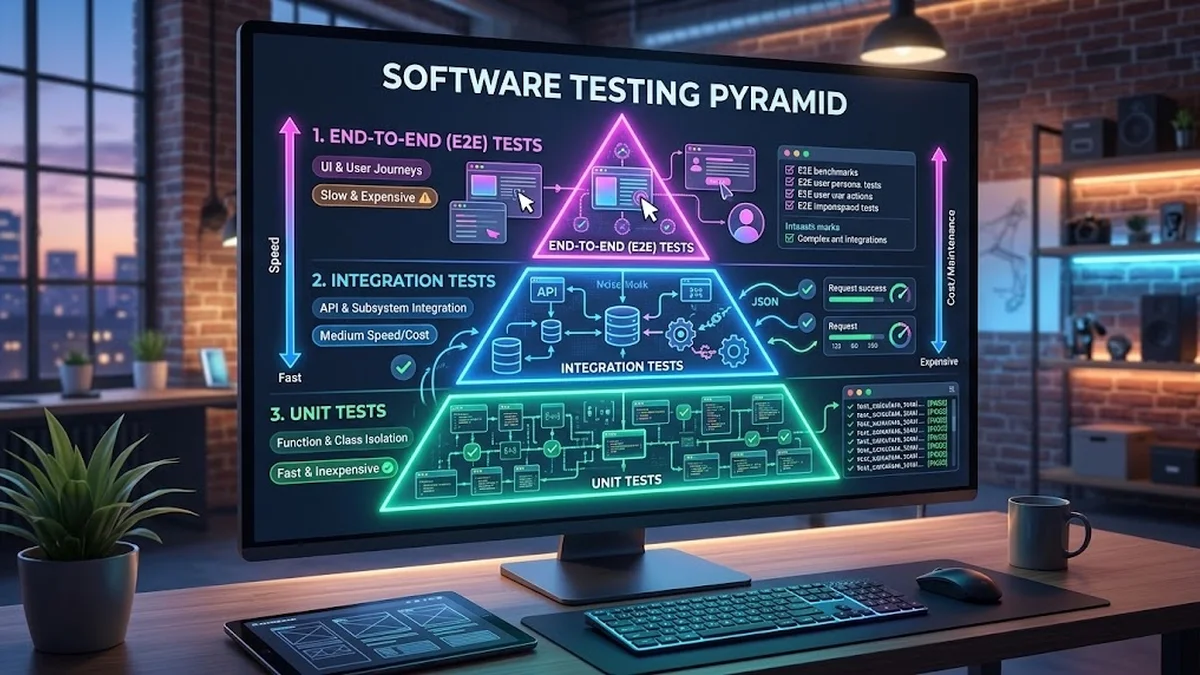
The False Dichotomy of Manual vs. Automated QA In software engineering discussions, testing is often framed as an all-o...
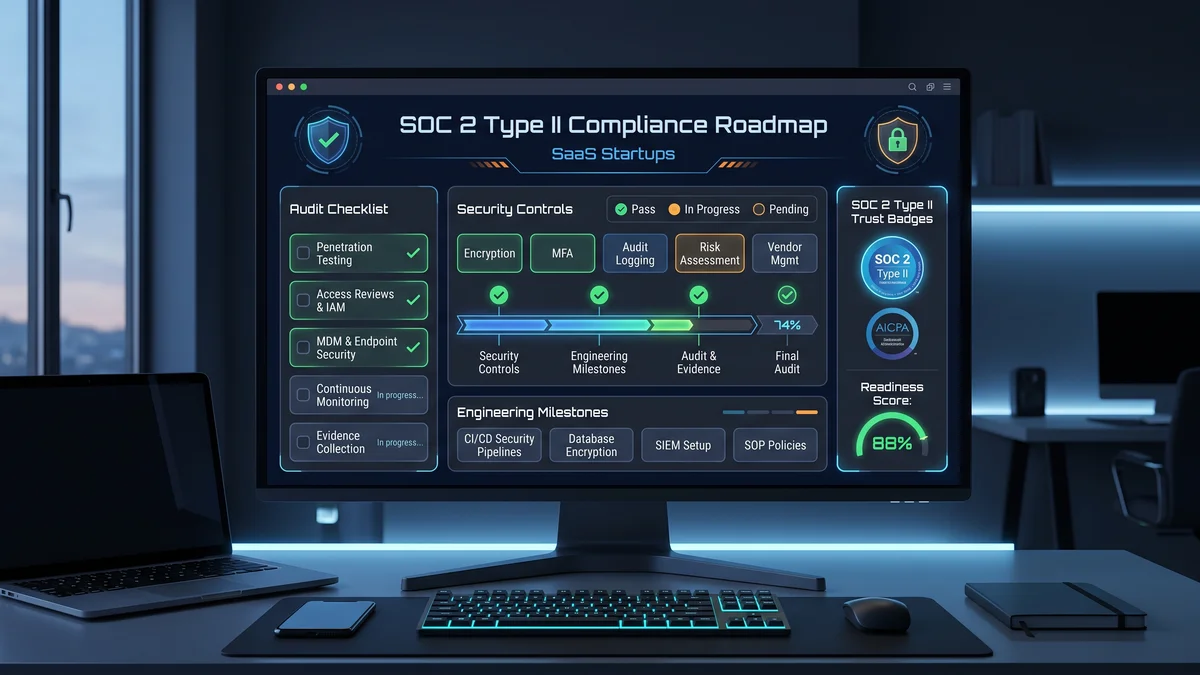
Why Enterprise B2B Buyers Mandate SOC 2 Type II When selling software to Fortune 500 enterprises, healthcare organizati...