
Sylnovia © 2026 · All Rights Reserved
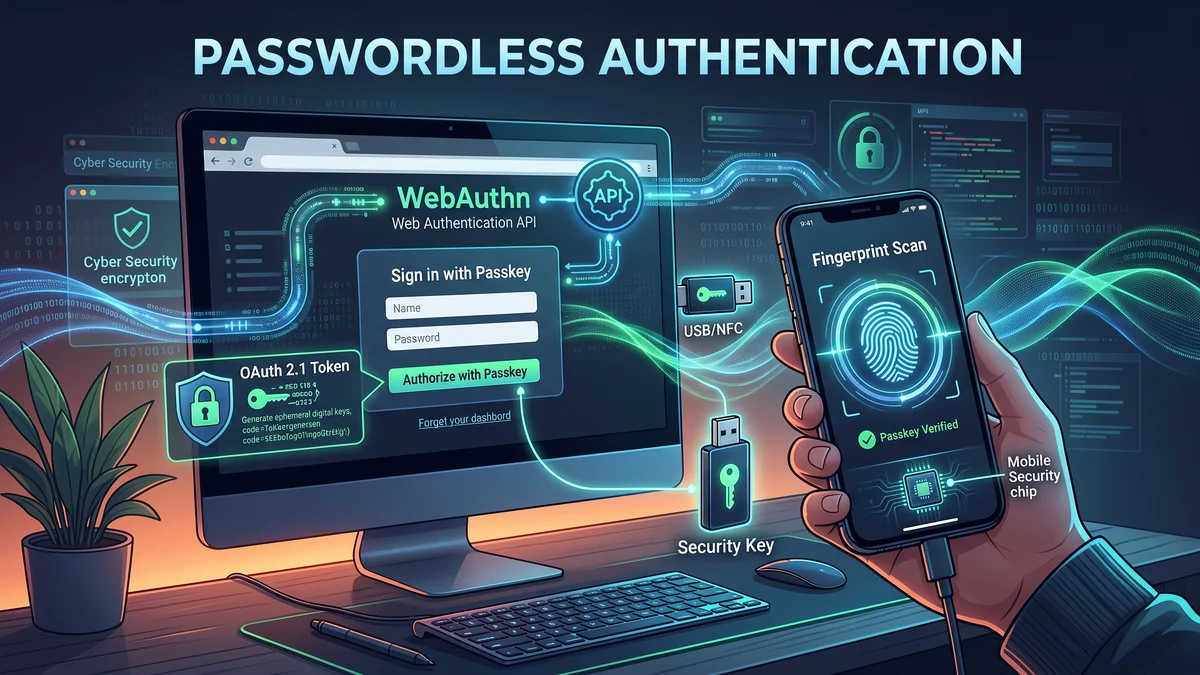
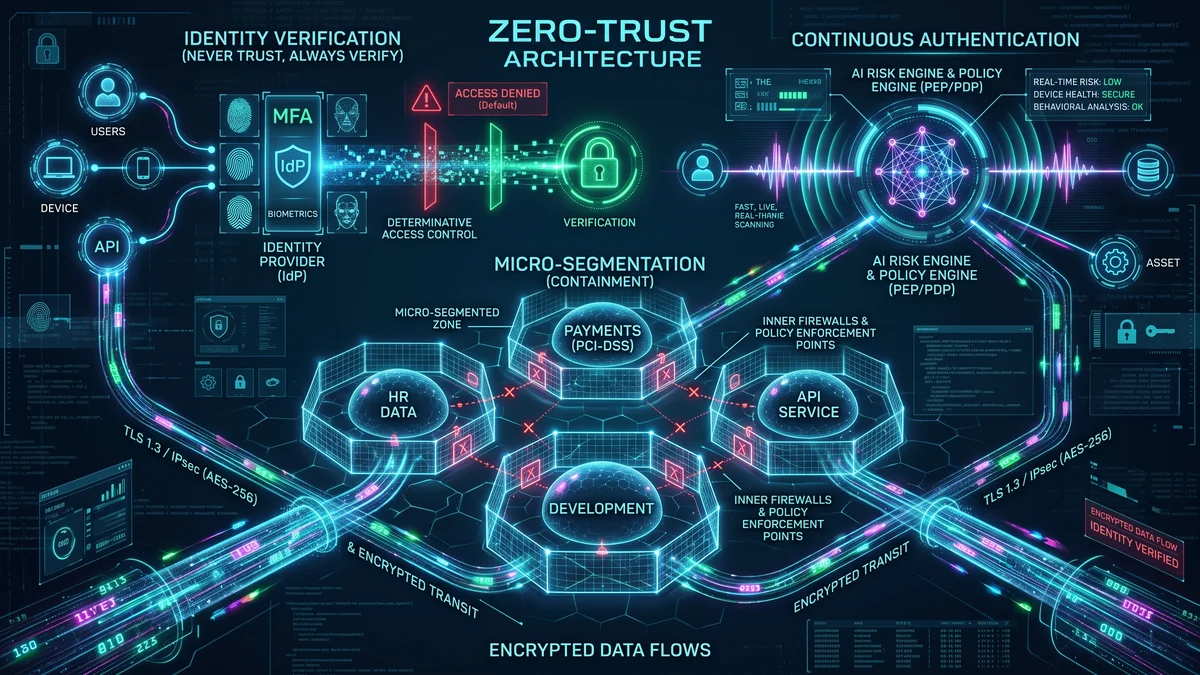
Traditional username-and-password authentication is fundamentally broken. Users reuse the exact same weak passwords across dozens of websites, write credentials on sticky notes, and fall victim to sophisticated credential-stuffing and phishing attacks. Over 80% of corporate data breaches originate from compromised or stolen passwords.
Modern application architecture is moving rapidly toward a Passwordless Future powered by Passkeys (WebAuthn / FIDO2) and federated OAuth 2.0 / OpenID Connect (OIDC).
Passkeys represent the greatest advancement in consumer authentication security in two decades:
sylnovia.com). Even if an attacker creates an identical phishing clone (sylnovia-phishing.com), the browser will refuse to supply the passkey, rendering phishing attacks completely impossible.When selling to enterprise clientele, supporting corporate Single Sign-On (SSO) via Okta, Microsoft Entra ID (Azure AD), or Google Workspace is mandatory. OpenID Connect (OIDC) builds an identity layer on top of OAuth 2.0, allowing enterprise IT administrators to centrally manage, audit, and revoke employee access with automated SAML/SCIM directory provisioning.
Where passwords remain supported, mandate modern Multi-Factor Authentication using Time-Based One-Time Passwords (TOTP) via authenticator apps (Google Authenticator) or hardware keys (YubiKey). Completely deprecate SMS-based 2FA due to rampant SIM-swapping vulnerabilities.
At Sylnovia, we architect passwordless authentication, Passkey integrations, and enterprise SSO solutions that elevate security while simplifying login UX. Modernize your platform's authentication by consulting with our team.
Delivering deep technical insights, architectural blueprints, and digital strategy for modern engineering squads.
The Strategic Hiring Dilemma for Growing Businesses When leadership teams decide to build a custom software platform or...
The False Dichotomy of Manual vs. Automated QA In software engineering discussions, testing is often framed as an all-o...
Why Enterprise B2B Buyers Mandate SOC 2 Type II When selling software to Fortune 500 enterprises, healthcare organizati...