
Sylnovia © 2026 · All Rights Reserved

Limiting your software to a single language and currency drastically caps your addressable market. However, retrofitting internationalization into a mature codebase that was built with hardcoded English strings and static currency formatting is one of the most painful refactoring exercises in software engineering.
Architecting for global scale from the beginning requires a clean separation between content, formatting rules, and presentation logic.
// Bad: Hardcoded string
<button>Save Changes</button>

// Good: Namespaced translation key
<button>{{ __('actions.save_changes') }}</button>{items_count, plural, =0{No items} =1{One item} other{# items}}Intl.DateTimeFormat), converting timestamps at the presentation boundary.Supporting Arabic, Hebrew, or Persian requires bidirectional styling. Modern CSS architectures leverage CSS Logical Properties (e.g., margin-inline-start instead of margin-left, padding-inline-end instead of padding-right) combined with an automated dir="rtl" attribute on the HTML root element.
Sylnovia engineers global-ready SaaS platforms with scalable translation pipelines, multi-currency payment routing, and robust localization infrastructure. Connect with our engineering specialists to expand your software's international footprint.
Delivering deep technical insights, architectural blueprints, and digital strategy for modern engineering squads.




The Strategic Hiring Dilemma for Growing Businesses When leadership teams decide to build a custom software platform or...
The False Dichotomy of Manual vs. Automated QA In software engineering discussions, testing is often framed as an all-o...
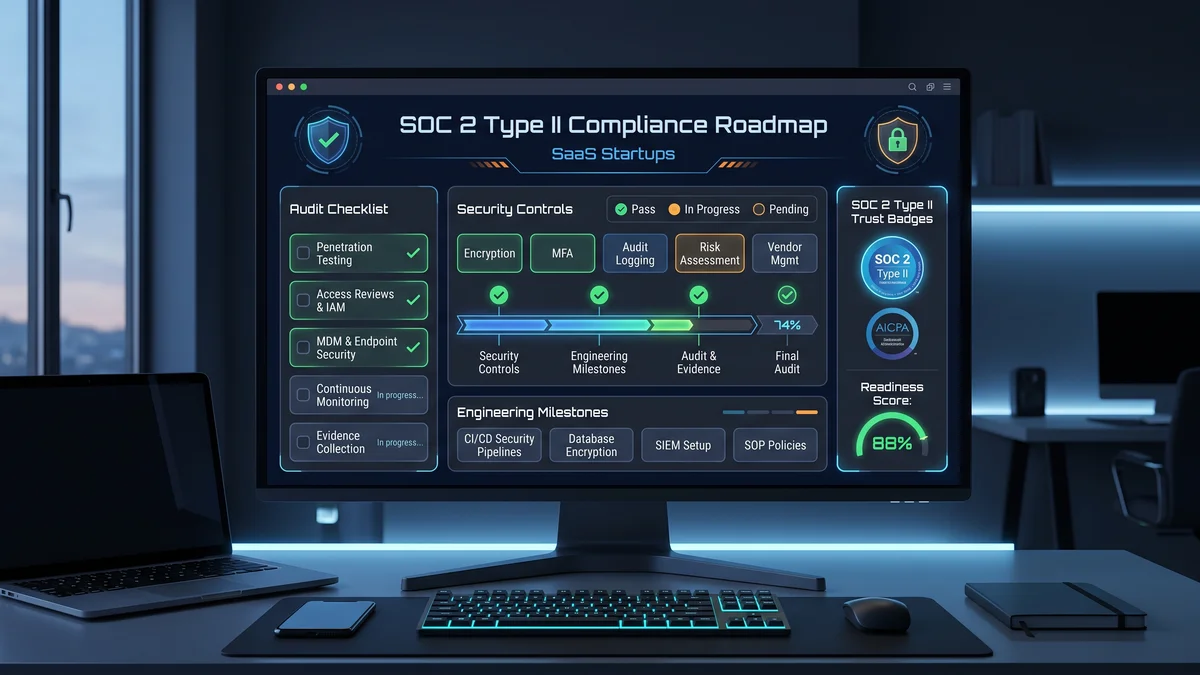
Why Enterprise B2B Buyers Mandate SOC 2 Type II When selling software to Fortune 500 enterprises, healthcare organizati...