
Sylnovia © 2026 · All Rights Reserved
For a decade, React was purely a client-side rendering (CSR) library. When a user loaded a web application, their browser downloaded a massive 2MB JavaScript bundle, executed the framework, made client-side API calls to fetch data, and finally rendered UI elements. This approach created sluggish initial page loads, poor mobile performance, and severe SEO penalties.
React Server Components (RSC), integrated into modern frameworks like Next.js App Router, introduce a hybrid architecture where components execute on the server by default, streaming zero-bundle-size HTML directly to the browser.
| Capability | Server Components (RSC) | Client Components ('use client') |
|---|---|---|
| Execution Location | Executes solely on the server | Pre-rendered on server, hydrates in browser |
| Bundle Size Impact | Zero JavaScript added to client | Adds component code to client bundle |
| Direct Database Access | Yes (run SQL / ORM directly) | No (must call HTTP API endpoints) |
| Interactivity (onClick, state) | No (static rendered output) | Yes (useState, useEffect, event listeners) |
High-performance RSC architecture follows the "Leaf-Node" pattern: Keep top-level layout pages and data-fetching containers as Server Components. Push client-side interactivity (such as a dropdown button or search input) down to small, isolated leaf components marked with 'use client'. This keeps 85%+ of your application's code on the server, drastically reducing client bundle sizes and speeding up First Contentful Paint (FCP).
At Sylnovia, we build state-of-the-art web platforms utilizing React Server Components, Next.js, and modern full-stack architectures. Connect with our engineering team to modernize your web applications.
Delivering deep technical insights, architectural blueprints, and digital strategy for modern engineering squads.
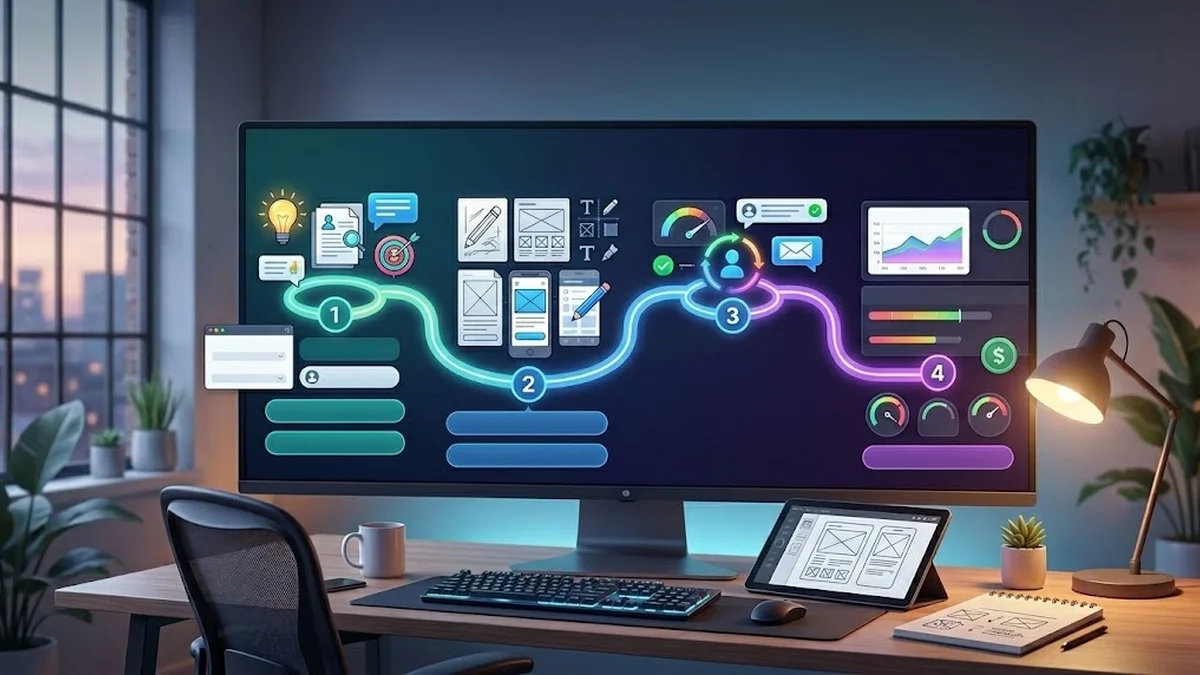
The Strategic Hiring Dilemma for Growing Businesses When leadership teams decide to build a custom software platform or...
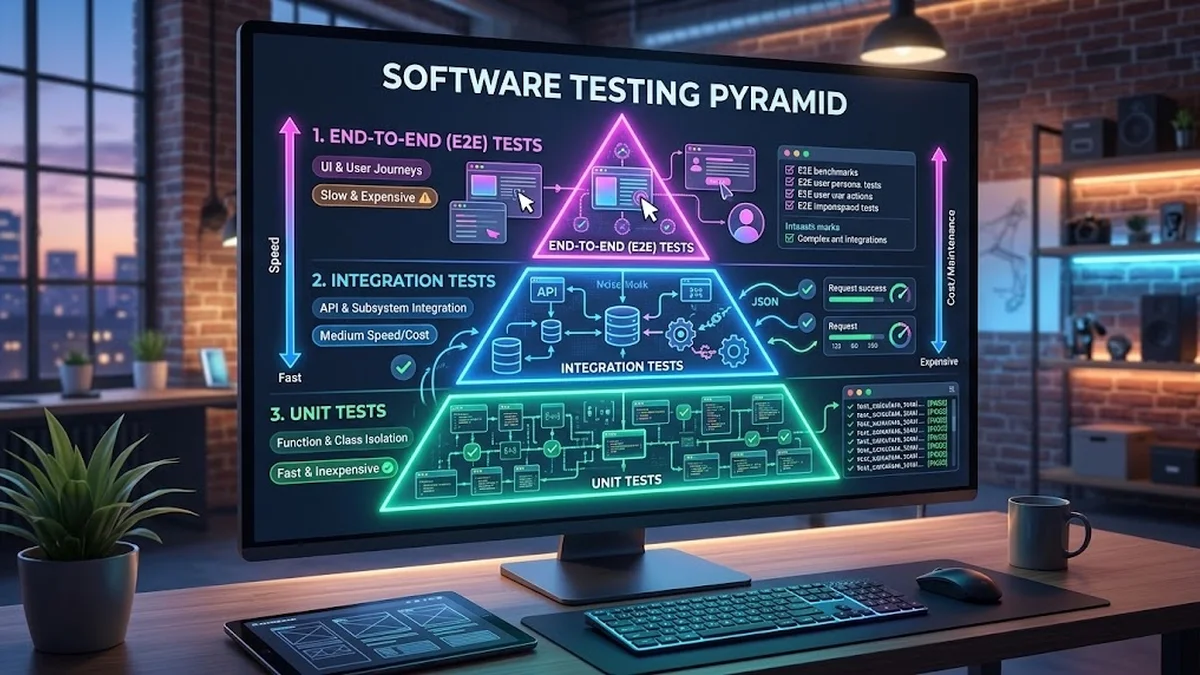
The False Dichotomy of Manual vs. Automated QA In software engineering discussions, testing is often framed as an all-o...
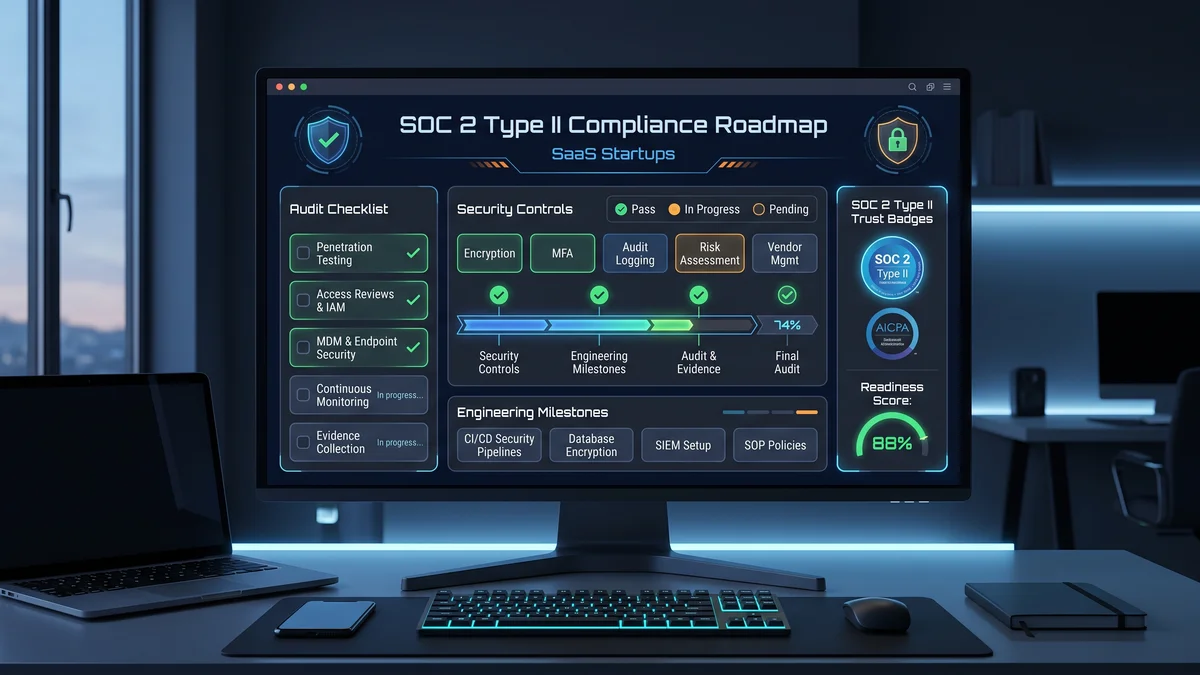
Why Enterprise B2B Buyers Mandate SOC 2 Type II When selling software to Fortune 500 enterprises, healthcare organizati...