
Sylnovia © 2026 · All Rights Reserved
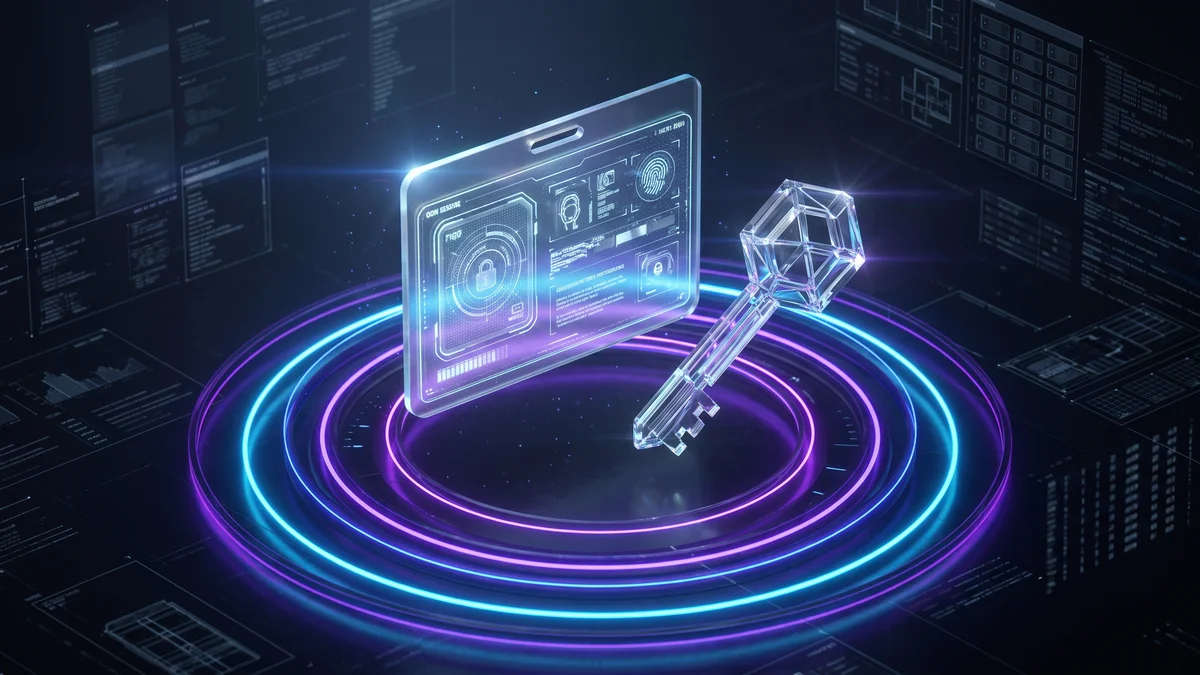
In early-stage software, authorization is typically handled with simple boolean flags on a user record: is_admin = true. But as B2B platforms attract enterprise clientele, access management requirements become exponentially more granular: finance managers must view invoices but not create them; regional managers must only edit records belonging to their geographic division; external contractors must only access specific project files during business hours.
Selecting and implementing the right access control model is essential for security compliance, data isolation, and enterprise sales readiness.
In RBAC, permissions are grouped into Roles (e.g., Owner, Administrator, Editor, Viewer), and users are assigned one or more roles within an organization.
invoices.create, users.invite). Code checks verify whether the user's role possesses the required permission.In ABAC, authorization decisions are made dynamically at evaluation time by combining four sets of attributes:
ABAC allows expressive enterprise policies such as: "Allow user to edit resource IF user.department == resource.department AND current_time is during business hours AND user.mfa_verified == true."
The industry standard for sophisticated SaaS applications is a hybrid model: Use RBAC for broad administrative hierarchy (Admin vs. Member), and layer lightweight ABAC policies (such as Laravel Policy gates or Casbin / OPA engines) for granular resource-level ownership and tenant boundaries.
See how centralized Single Sign-On (SSO) and automated lifecycle deprovisioning eliminated unauthorized access vectors across 35 systems.
Sylnovia designs and implements secure, high-performance authorization architectures that satisfy rigorous SOC 2 and enterprise security audits. Reach out to our backend engineering team to architect your platform's security foundation.
Delivering deep technical insights, architectural blueprints, and digital strategy for modern engineering squads.

The Strategic Hiring Dilemma for Growing Businesses When leadership teams decide to build a custom software platform or...
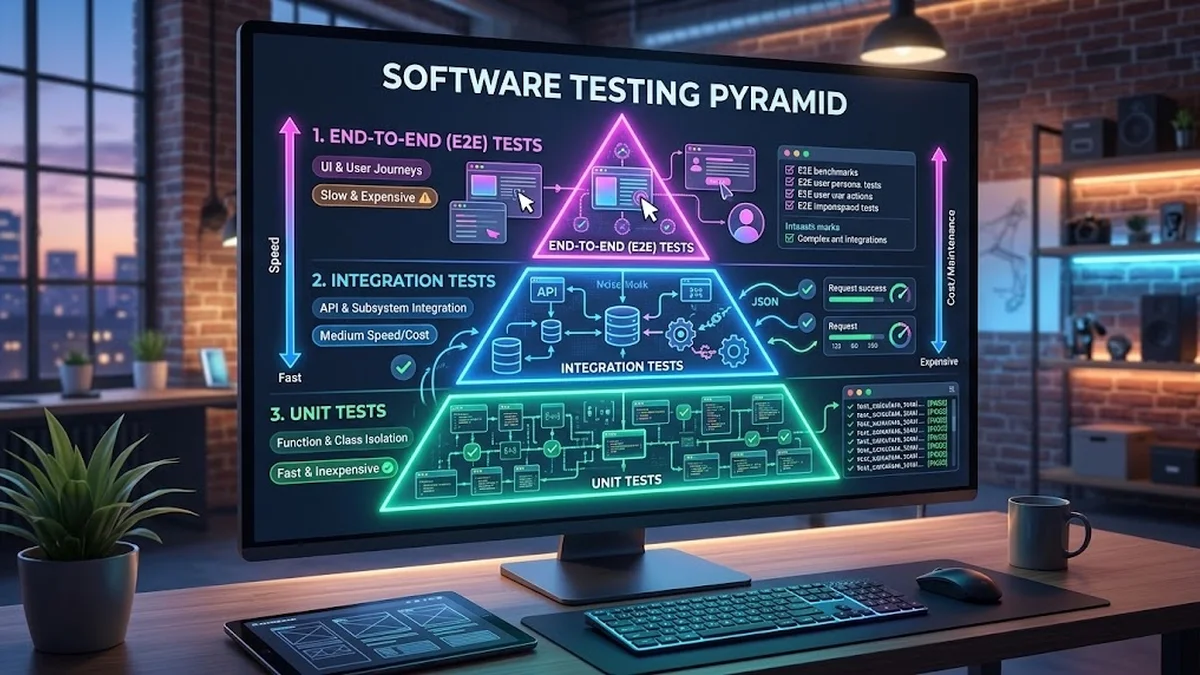
The False Dichotomy of Manual vs. Automated QA In software engineering discussions, testing is often framed as an all-o...
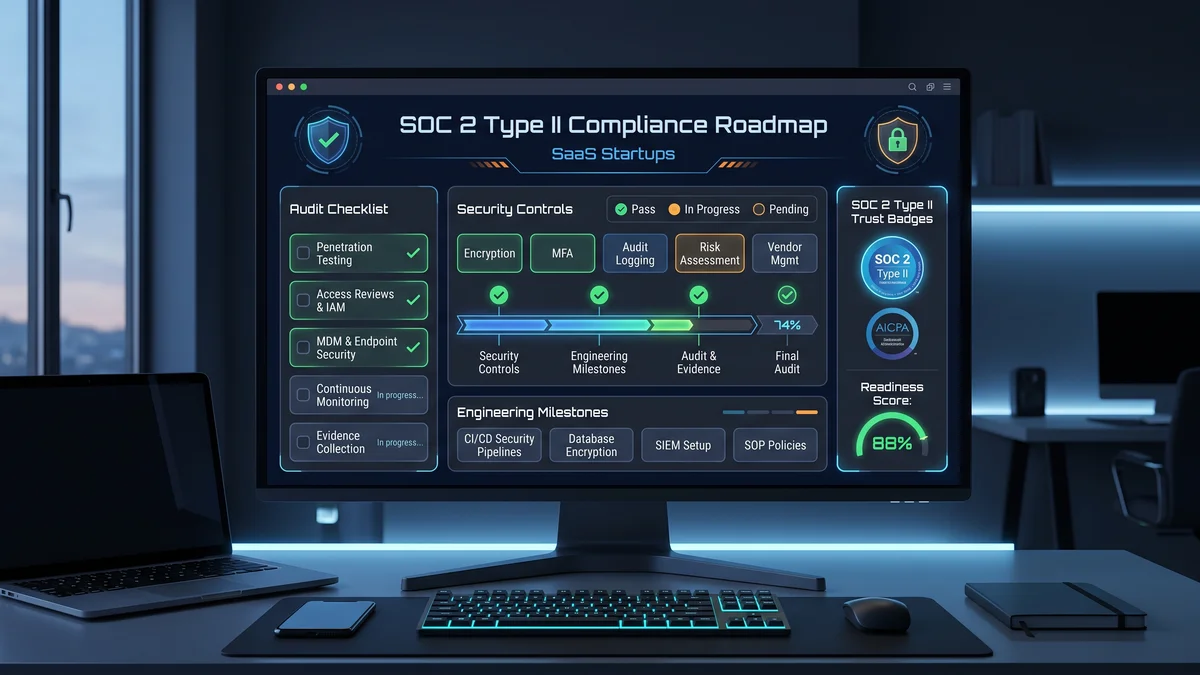
Why Enterprise B2B Buyers Mandate SOC 2 Type II When selling software to Fortune 500 enterprises, healthcare organizati...