
Sylnovia © 2026 · All Rights Reserved

APIs are the primary engines powering modern digital products, making them high-priority targets for malicious automation: scraper botnets stealing proprietary catalog data, credential-stuffing attacks testing stolen password dumps, and Distributed Denial of Service (DDoS) attacks that exhaust server bandwidth and compute capacity.
Defending public APIs requires a multi-layered security strategy combining edge Web Application Firewalls (WAF), intelligent rate limiting, and bot management.
The first line of defense must operate at the network edge before traffic ever touches your origin application servers:
Implement multi-tiered rate limiting inside application middleware powered by in-memory Redis stores:
/api/login and /api/forgot-password to eliminate brute-force attacks) while allowing higher limits (e.g., 600 requests per minute) on authenticated customer endpoints.HTTP 429 Too Many Requests status code accompanied by standard headers: Retry-After: 60 and X-RateLimit-Reset.Replace frustrating legacy image CAPTCHAs with invisible cryptographic proof-of-work challenges (Cloudflare Turnstile). Turnstile evaluates browser fingerprinting signals invisibly, challenging only suspicious automated scripts without interrupting human users.
At Sylnovia, we architect hardened API infrastructure with automated DDoS mitigation, granular rate limiting, and edge security. Safeguard your platform against abuse by contacting our security architects today.
Delivering deep technical insights, architectural blueprints, and digital strategy for modern engineering squads.



The Strategic Hiring Dilemma for Growing Businesses When leadership teams decide to build a custom software platform or...
The False Dichotomy of Manual vs. Automated QA In software engineering discussions, testing is often framed as an all-o...
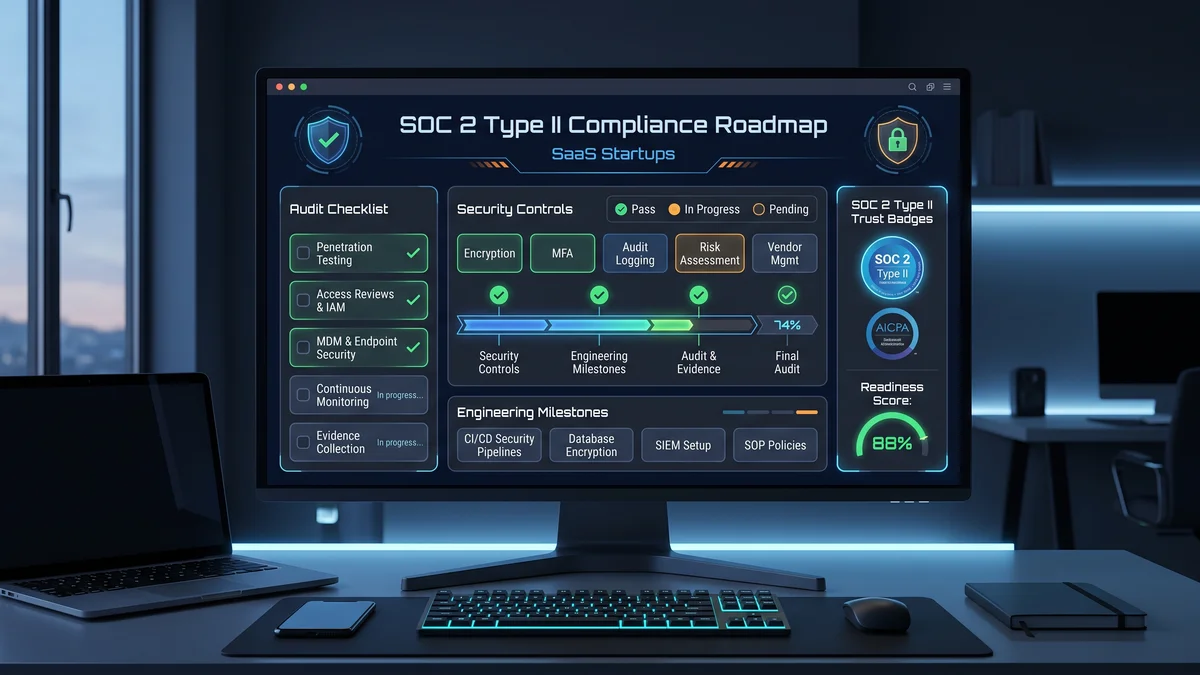
Why Enterprise B2B Buyers Mandate SOC 2 Type II When selling software to Fortune 500 enterprises, healthcare organizati...