
Sylnovia © 2026 · All Rights Reserved

Monolithic architectures are unbeatable for early-stage software and startup MVPs. They offer rapid prototyping, simple end-to-end debugging, unified deployment pipelines, and zero distributed system overhead. However, as engineering organizations expand beyond 20 developers and codebases grow to hundreds of thousands of lines, monoliths begin showing severe friction: fragile deployments where a bug in one module crashes the entire system, sluggish build pipelines, and organizational bottlenecks.
Decomposing a monolith into microservices should never be an aesthetic architectural exercise. It is a strategic operational decision justified only when distinct business domains require independent scaling, fault isolation, and autonomous team deployment cadences.
The greatest anti-pattern in software modernization is the high-risk "Big Bang Rewrite"—stopping feature development for twelve months to rewrite the system from scratch. Instead, industry-leading engineering teams rely on the Strangler Fig Pattern, gradually migrating functionality until the legacy system is naturally replaced.
The single most challenging aspect of microservices is data partitioning. Sharing a single database across multiple microservices creates hidden schema coupling, defeating the primary purpose of microservices. True microservices require Database-per-Service.
To coordinate state across isolated databases without brittle distributed two-phase locking (2PC), implement event-driven data synchronization:
Microservices introduce substantial operational complexity that must be factored in:
At Sylnovia, we guide enterprises through low-risk, zero-downtime architectural modernizations. We help you identify correct bounded contexts, design event-driven messaging pipelines, and transition from monolithic bottlenecks to high-velocity distributed systems. Reach out to discuss your migration roadmap.
Delivering deep technical insights, architectural blueprints, and digital strategy for modern engineering squads.

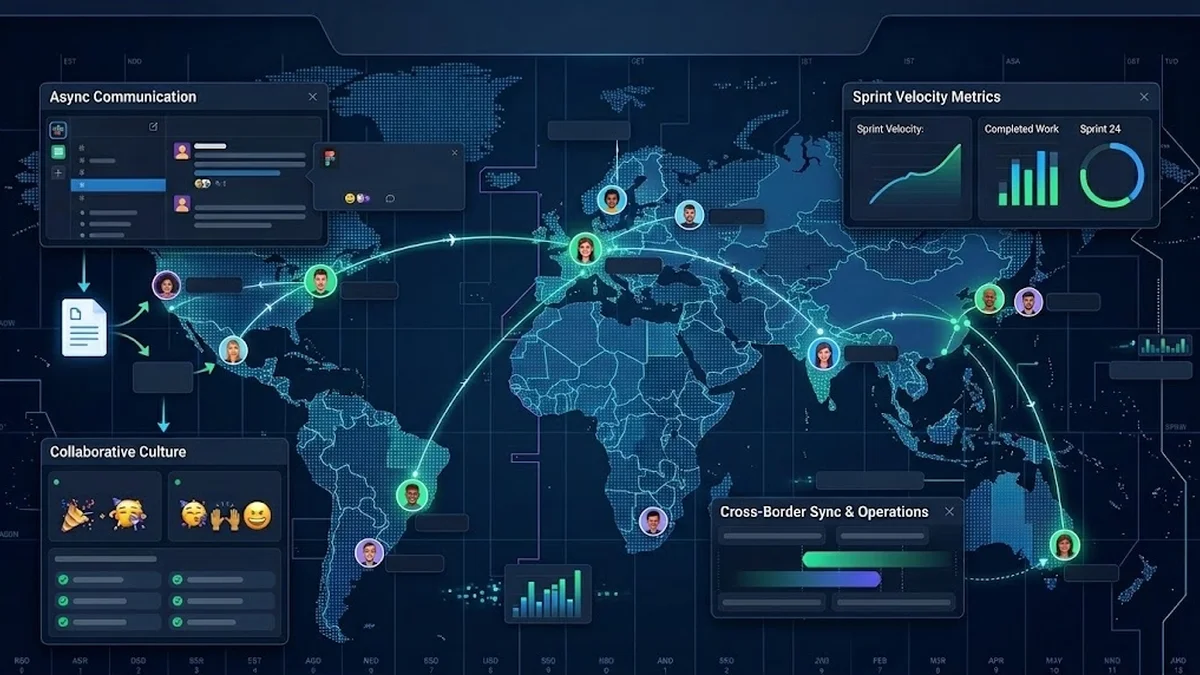
The Strategic Hiring Dilemma for Growing Businesses When leadership teams decide to build a custom software platform or...
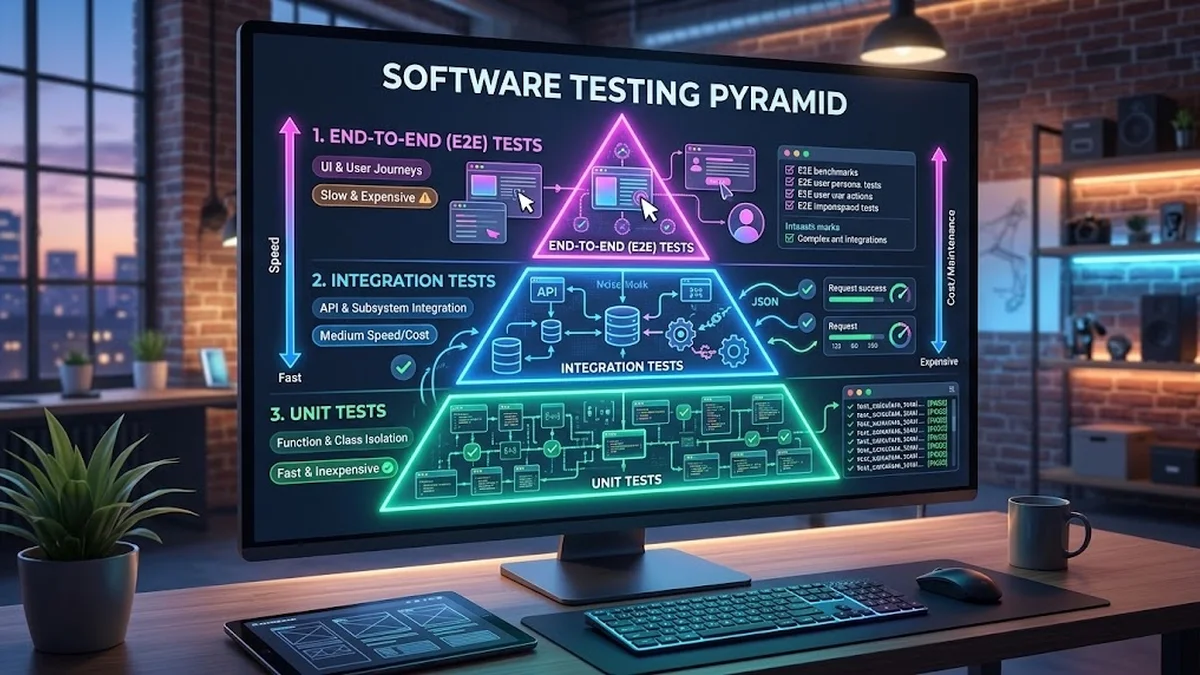
The False Dichotomy of Manual vs. Automated QA In software engineering discussions, testing is often framed as an all-o...
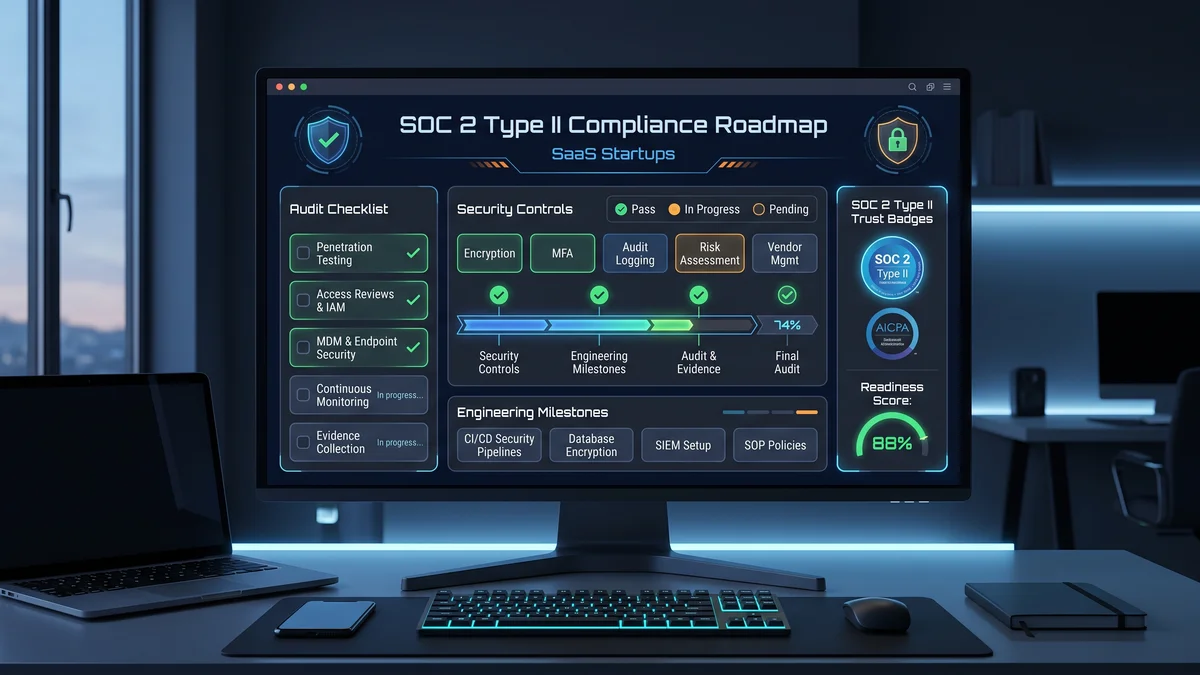
Why Enterprise B2B Buyers Mandate SOC 2 Type II When selling software to Fortune 500 enterprises, healthcare organizati...