
Sylnovia © 2026 · All Rights Reserved

Unlike backend cloud servers running behind private VPC firewalls, mobile applications execute on client devices entirely outside your control. Attackers can decompile your application binary, inspect network traffic through proxy tools (Charles, Wireshark, Burp Suite), and dump device memory on rooted or jailbroken hardware.
Hardcoding API secret keys, storing unencrypted tokens in local storage, or assuming HTTPS traffic is tamper-proof exposes mobile applications to severe vulnerabilities.
Never store JWT auth tokens or sensitive credentials in standard local storage (SharedPreferences on Android or UserDefaults on iOS). Always store secrets in hardware-backed secure enclaves:
Protect sensitive financial and healthcare screens with Face ID, Touch ID, or Android BiometricPrompt. Always verify that cryptographic keys are invalidated if the user adds a new fingerprint to their device settings.
Standard HTTPS relies on public Certificate Authorities (CAs). Attackers using proxy tools on compromised devices can install custom root certificates, enabling Man-in-the-Middle (MITM) attacks that decrypt and manipulate API traffic. Certificate Pinning hardcodes the server's public key hash inside the app, immediately terminating connections if the certificate does not match.
Incorporate automated code obfuscation (ProGuard, R8) to scramble symbol names, making reverse-engineering difficult. Implement root/jailbreak detection libraries to restrict sensitive transactions on compromised devices.
At Sylnovia, we engineer banking-grade mobile applications with end-to-end cryptographic security, certificate pinning, and biometric verification. Schedule a mobile security review with our team.
Delivering deep technical insights, architectural blueprints, and digital strategy for modern engineering squads.


The Strategic Hiring Dilemma for Growing Businesses When leadership teams decide to build a custom software platform or...
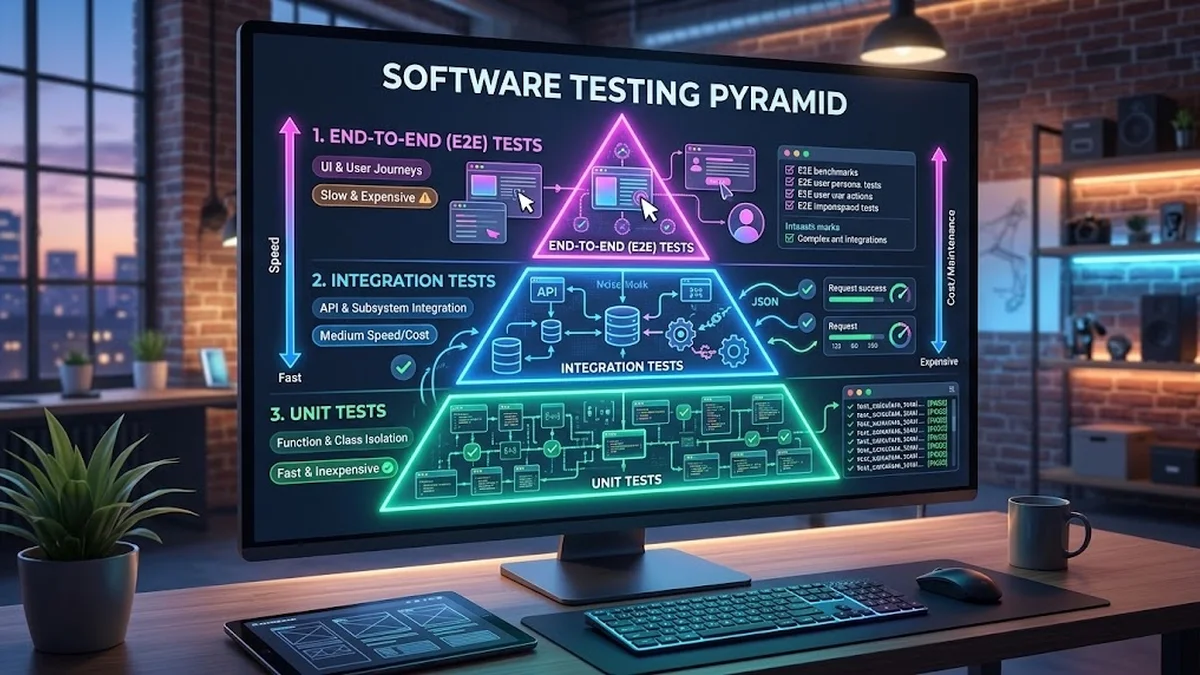
The False Dichotomy of Manual vs. Automated QA In software engineering discussions, testing is often framed as an all-o...
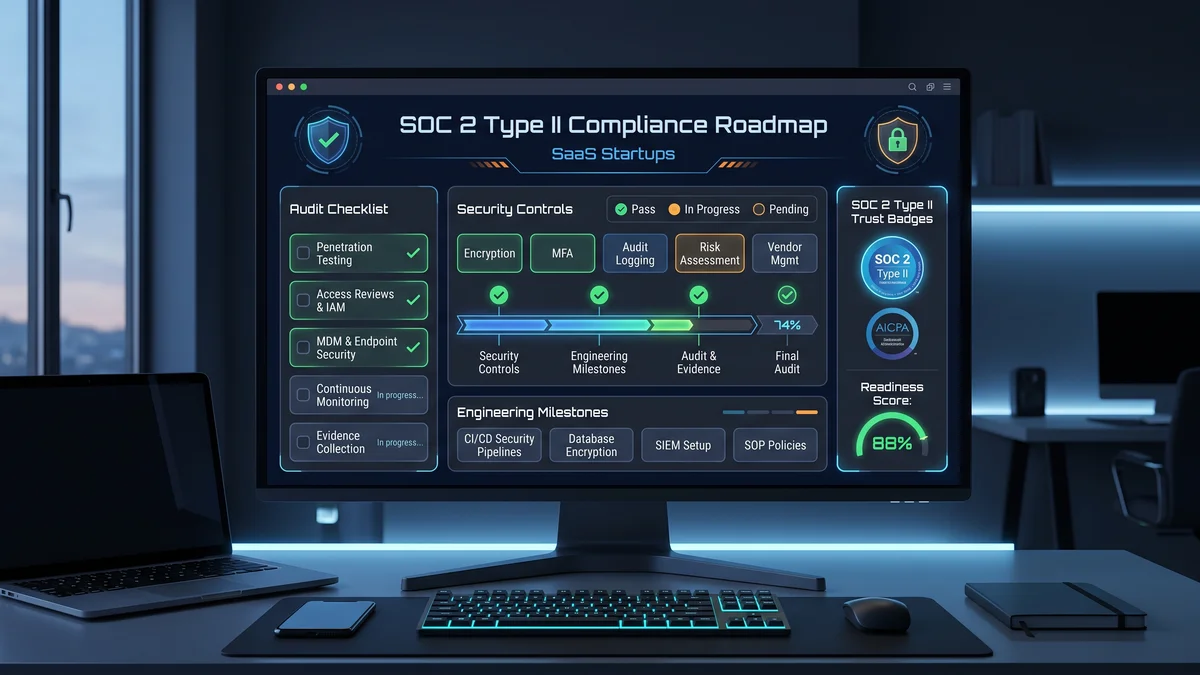
Why Enterprise B2B Buyers Mandate SOC 2 Type II When selling software to Fortune 500 enterprises, healthcare organizati...