
Sylnovia © 2026 · All Rights Reserved

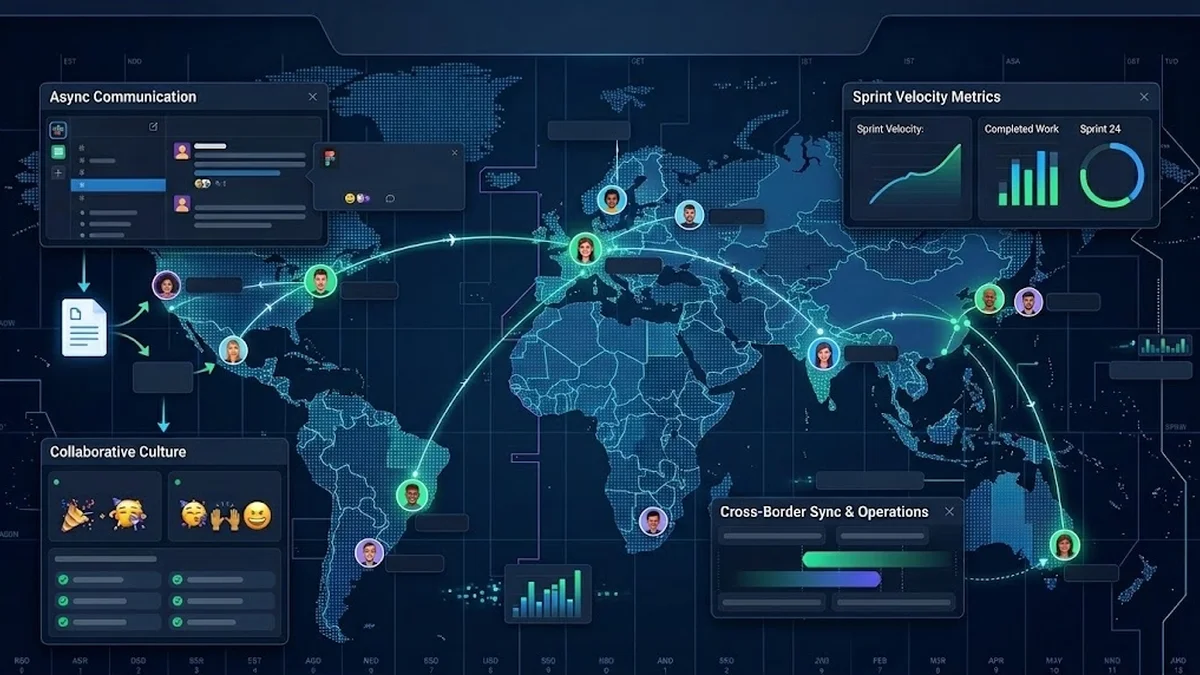
Managing remote and distributed engineering teams is one of the defining leadership challenges of modern technology companies. Naive organizations attempt to recreate the physical office online: demanding constant presence on Slack, scheduling endless daily Zoom status meetings, and using invasive employee tracking software. This approach destroys developer deep work, burns out talent, and crushes engineering velocity.
High-performing distributed engineering cultures operate on a completely different paradigm: Asynchronous Communication, Extreme Autonomy, and Output-Driven Accountability.
Ditch meaningless activity vanity metrics like hours logged at a desk or lines of code written. Measure real engineering outcomes using the DORA Metrics:
At Sylnovia, our distributed engineering squads deliver disciplined, high-velocity agile delivery for clients worldwide. Partner with a remote-first engineering organization that builds for speed and quality.
Delivering deep technical insights, architectural blueprints, and digital strategy for modern engineering squads.


The Strategic Hiring Dilemma for Growing Businesses When leadership teams decide to build a custom software platform or...
The False Dichotomy of Manual vs. Automated QA In software engineering discussions, testing is often framed as an all-o...
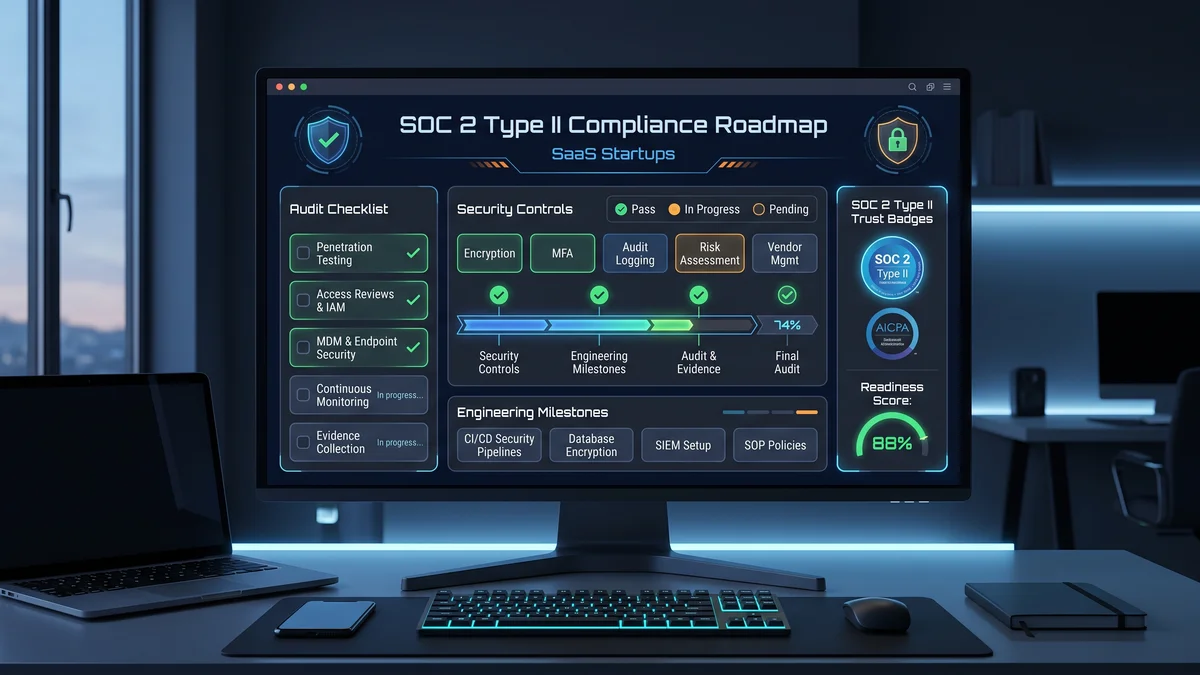
Why Enterprise B2B Buyers Mandate SOC 2 Type II When selling software to Fortune 500 enterprises, healthcare organizati...