
Sylnovia © 2026 · All Rights Reserved
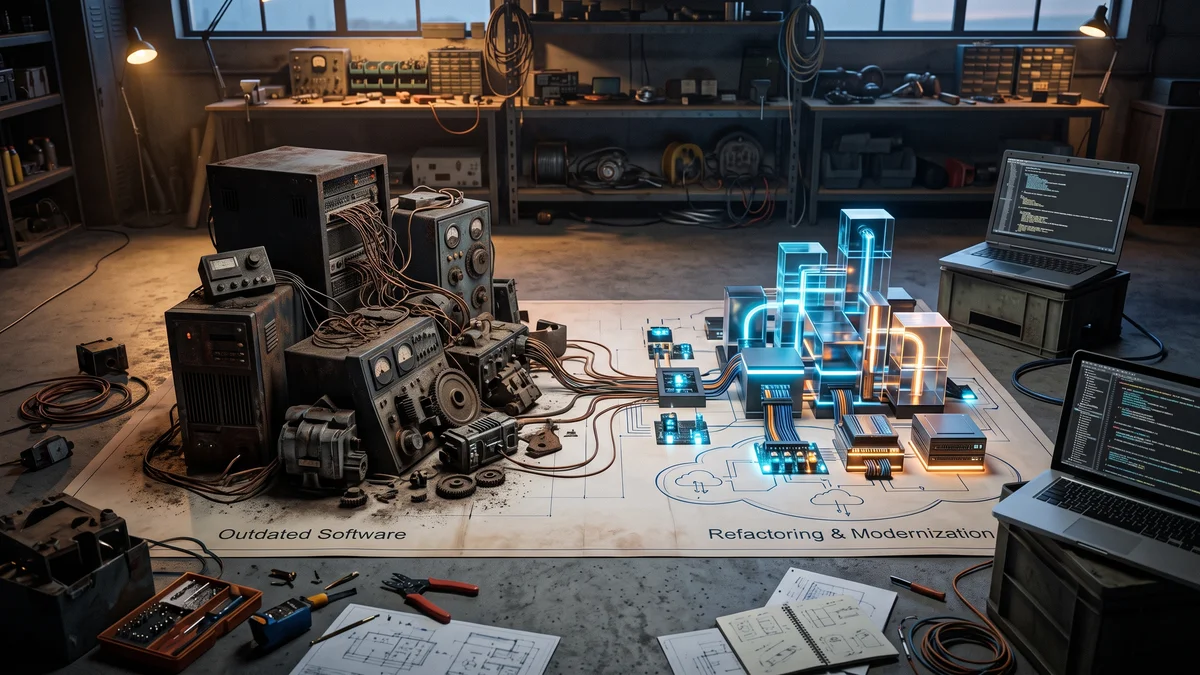
Legacy software is defined not by how long ago it was written, but by its inability to adapt to modern business demands. Outdated software dependencies, unpatched security vulnerabilities, monolithic databases with millions of orphaned rows, and brittle spaghetti code create an environment where simple bug fixes take weeks and new feature deployments induce panic.
Organizations spending more than 70% of their IT budget simply keeping aging applications alive are hemorrhaging capital that should be driving digital innovation and customer acquisition.
Migrating the legacy application from aging on-premise physical servers or colocation facilities directly to modern cloud infrastructure (AWS EC2, Google Compute Engine) with minimal architectural code modifications. This eliminates hardware failure risks while buying time for deeper refactoring.
Upgrading obsolete runtime versions (e.g., PHP 5.6/7.x to 8.2+, Python 2 to 3), introducing comprehensive automated unit and integration tests, cleaning up database queries, and organizing code into modern layered architectures while preserving existing business logic.
Breaking monolithic legacy systems into modular services or clean domain-driven bounded contexts. Exposing REST/GraphQL APIs and containerizing services using Docker allows teams to scale and deploy distinct modules independently.
When the original codebase is completely undocumented, architecturally bankrupt, or built on extinct technologies, a phased rebuild using modern frameworks and cloud-native patterns delivers the highest long-term return on investment.
Retiring non-differentiating bespoke modules in favor of specialized SaaS solutions (such as swapping a fragile homegrown billing script for Stripe Billing) so internal engineering focuses strictly on core intellectual property.
To avoid costly project failures, follow these proven refactoring principles:
Discover how Sylnovia modernized a regional wholesale distributor from fragmented spreadsheets into a unified, barcode-synchronized cloud inventory platform.
Modernizing mission-critical enterprise systems requires deep architectural experience and surgical precision. Sylnovia helps businesses transition from fragile legacy liabilities into modern, high-velocity software assets. Contact us today to audit your codebase and plan your modernization path.
Delivering deep technical insights, architectural blueprints, and digital strategy for modern engineering squads.
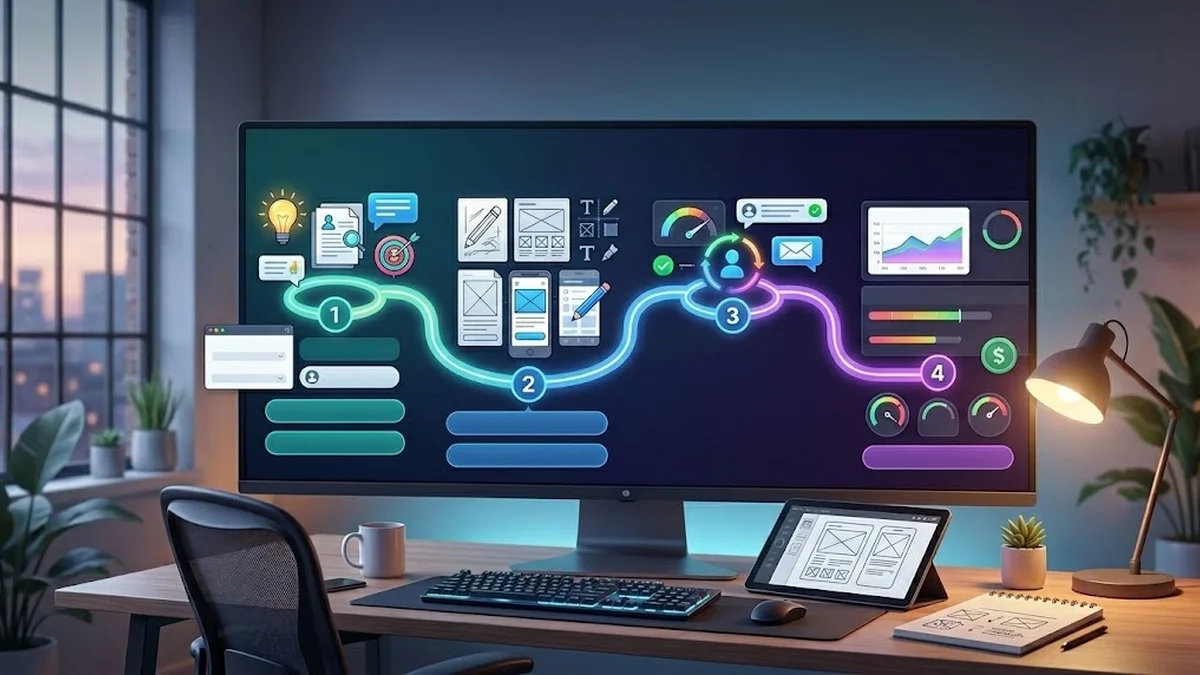
The Strategic Hiring Dilemma for Growing Businesses When leadership teams decide to build a custom software platform or...
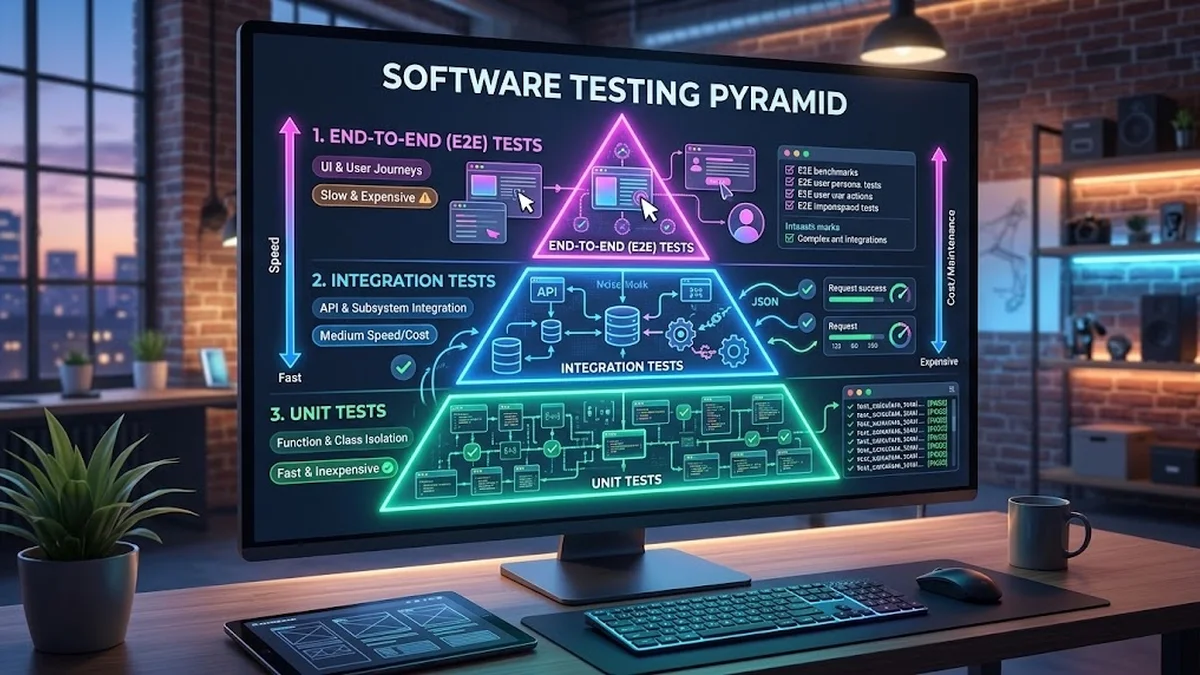
The False Dichotomy of Manual vs. Automated QA In software engineering discussions, testing is often framed as an all-o...
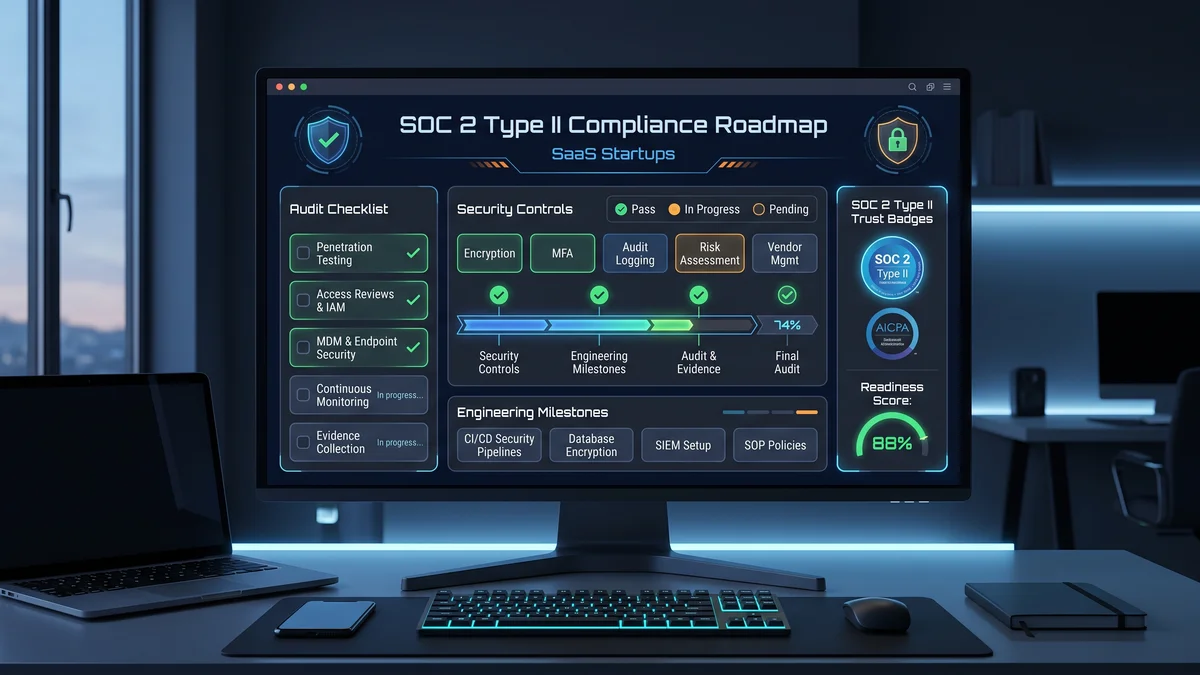
Why Enterprise B2B Buyers Mandate SOC 2 Type II When selling software to Fortune 500 enterprises, healthcare organizati...