
Sylnovia © 2026 · All Rights Reserved
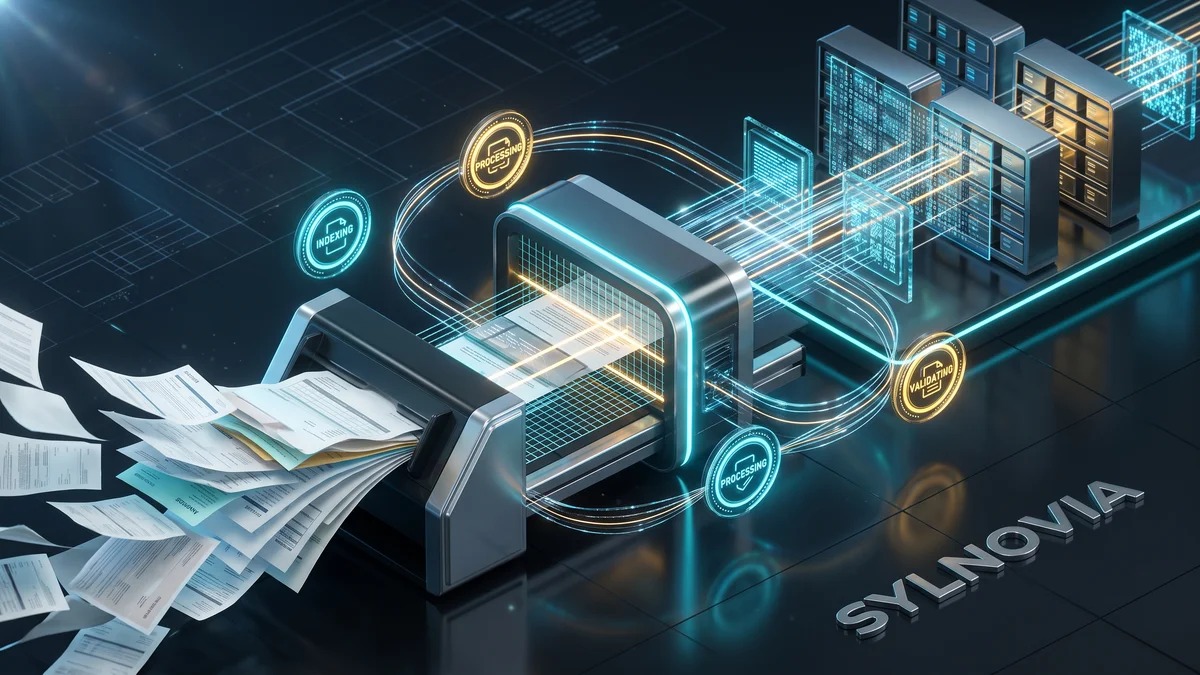
Across logistics, healthcare, insurance, and financial services, enterprise operations remain choked by unstructured documents: paper receipts, supplier invoices, medical claims, customs declarations, and bill of ladings. For decades, companies hired large back-office teams to manually retype data into ERP and CRM databases—a slow, error-prone, and expensive bottleneck.
Intelligent Document Processing (IDP) combines Optical Character Recognition (OCR), Computer Vision, and Large Language Models to automatically extract, validate, and structure text from messy documents at massive scale.
invoice_number, tax_amount, line_items[]). Unlike legacy template-matching OCR, LLMs understand semantic context, extracting fields accurately even when vendors format invoices completely differently.Modern IDP systems achieve 90%+ touchless straight-through processing rates, slashing document processing costs by up to 80% and reducing turnaround times from days to seconds.
At Sylnovia, we engineer custom IDP pipelines that integrate seamlessly with your ERPs, accounting platforms, and custom software. Let's automate your document workflows today.
Delivering deep technical insights, architectural blueprints, and digital strategy for modern engineering squads.
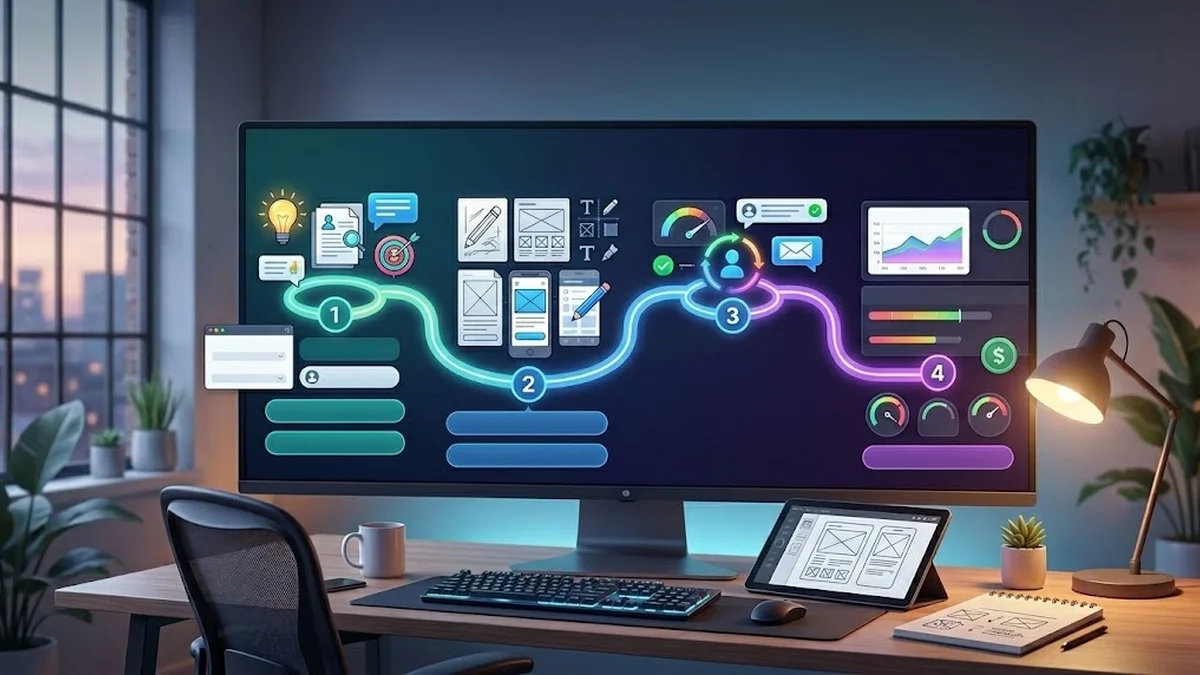
The Strategic Hiring Dilemma for Growing Businesses When leadership teams decide to build a custom software platform or...
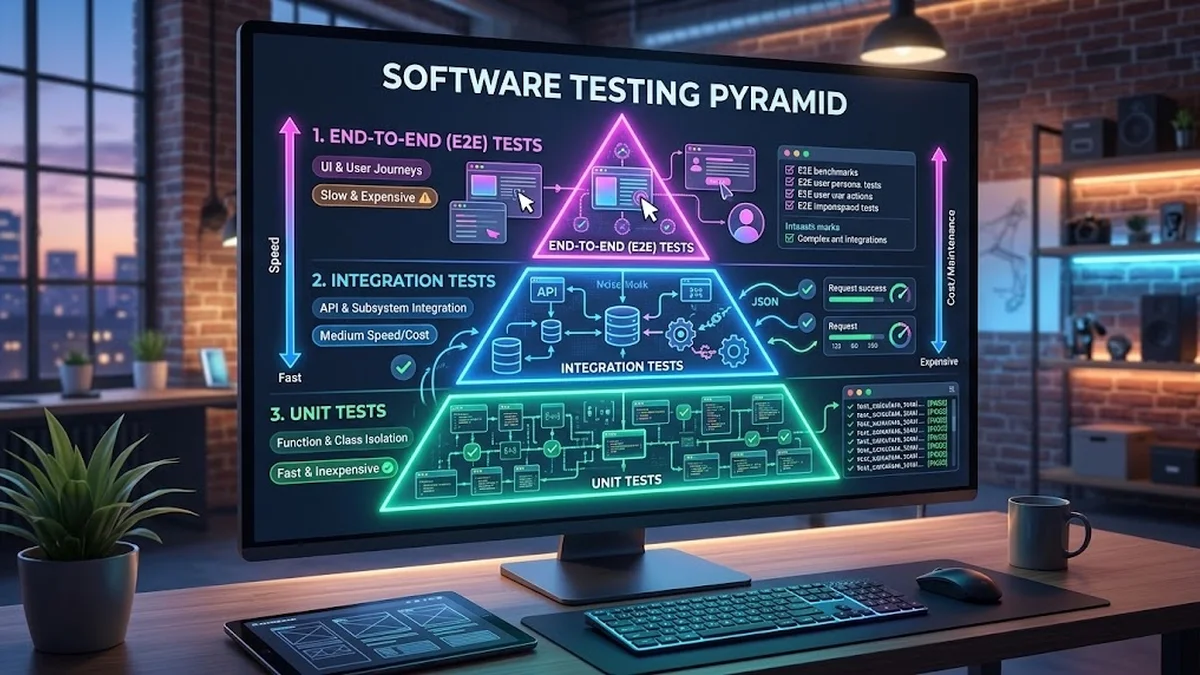
The False Dichotomy of Manual vs. Automated QA In software engineering discussions, testing is often framed as an all-o...
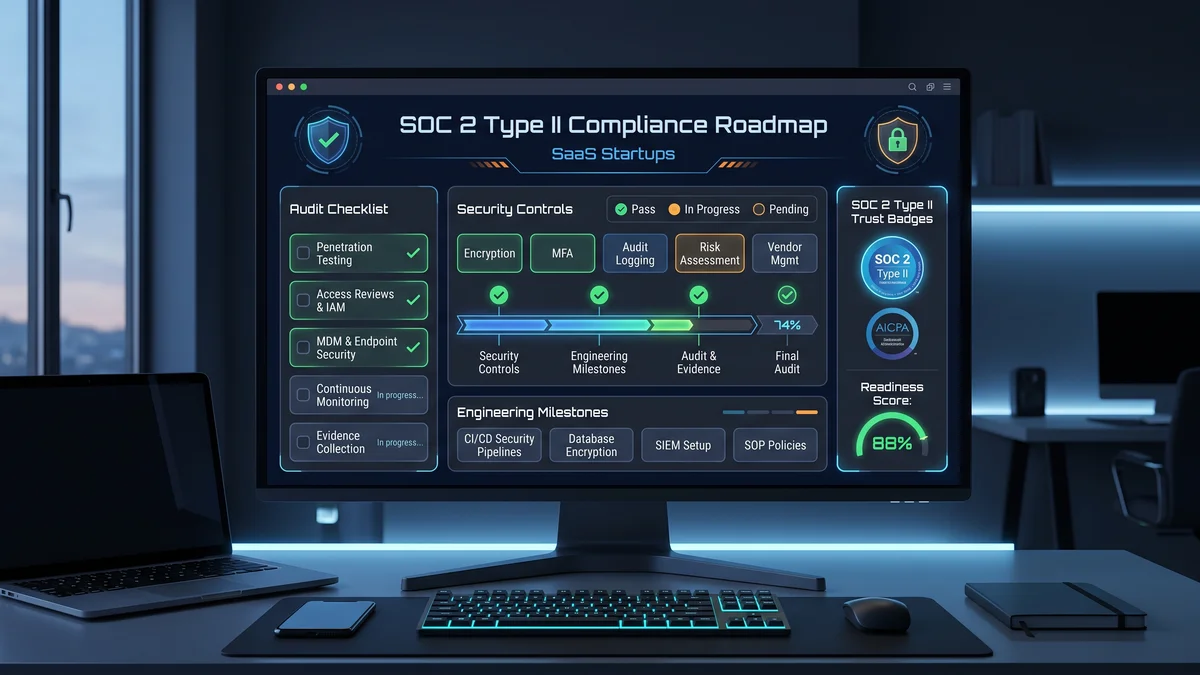
Why Enterprise B2B Buyers Mandate SOC 2 Type II When selling software to Fortune 500 enterprises, healthcare organizati...