
Sylnovia © 2026 · All Rights Reserved

Selecting the technical stack for a modern web application is one of the most consequential decisions an engineering leader will make. It directly impacts your development velocity, initial runway, hiring pool, infrastructure operating costs, and long-term ability to adapt to changing market requirements. The wrong choice can leave your product trapped with sluggish performance, difficult upgrades, or a critical shortage of qualified engineering talent.
Laravel has evolved into an elite enterprise web framework. It provides unmatched developer productivity with built-in authentication, queue management, database migrations, real-time broadcasting, and an expressive Eloquent ORM. When combined with modern tools like Pest, Inertia.js, and Octane (Swoole/RoadRunner), Laravel delivers lightning-fast request lifecycles and accelerated time-to-market for SaaS and business platforms.
The premier choice for real-time collaborative applications, streaming data feeds, and organizations seeking a unified TypeScript codebase across frontend and backend. NestJS provides enterprise-grade modular architecture and dependency injection modeled after Angular.
FastAPI has become the industry standard for high-performance microservices interfacing with machine learning models, data science pipelines, and vector databases, offering automatic OpenAPI documentation and asynchronous execution.
Chosen when low memory footprint, raw CPU concurrency, and microsecond response times are paramount. Ideal for high-throughput API gateways, telemetry ingestion, and distributed networking tools.
Modern applications rarely rely on a single datastore:
At Sylnovia, we evaluate tech stacks through a pragmatic lens: developer velocity, architectural stability, security maturity, and operational cost. We don't chase transient hype; we build scalable software on proven foundations. Schedule an architectural consultation with our senior engineering team.
Delivering deep technical insights, architectural blueprints, and digital strategy for modern engineering squads.

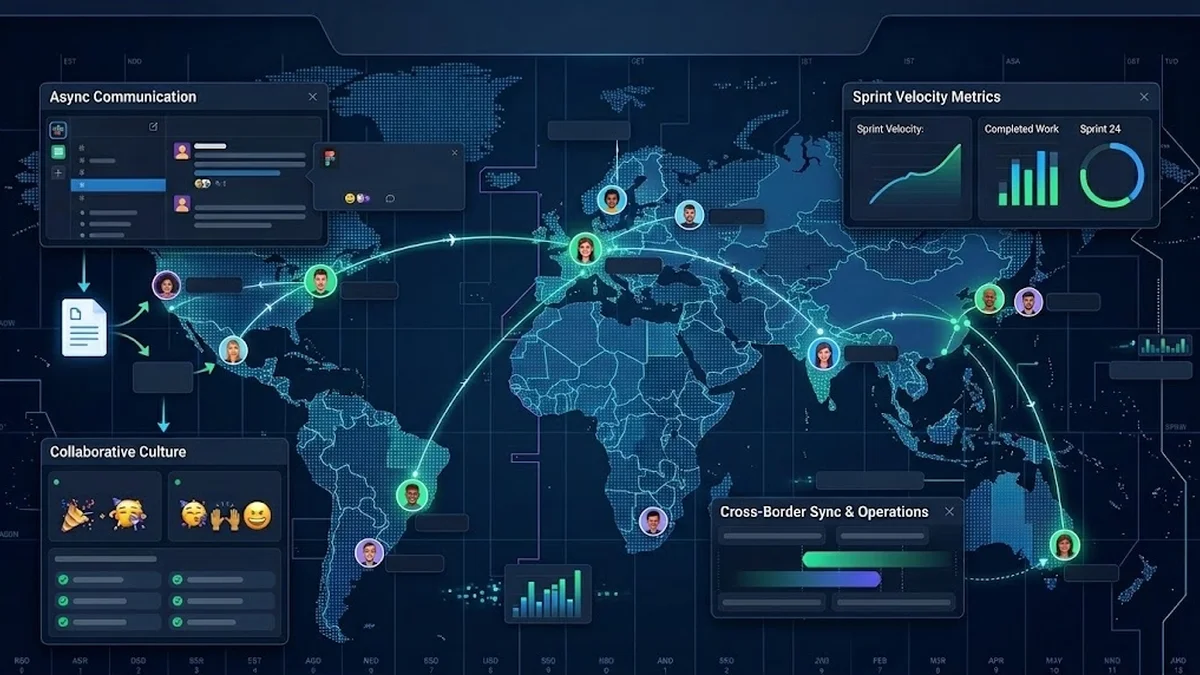
The Strategic Hiring Dilemma for Growing Businesses When leadership teams decide to build a custom software platform or...
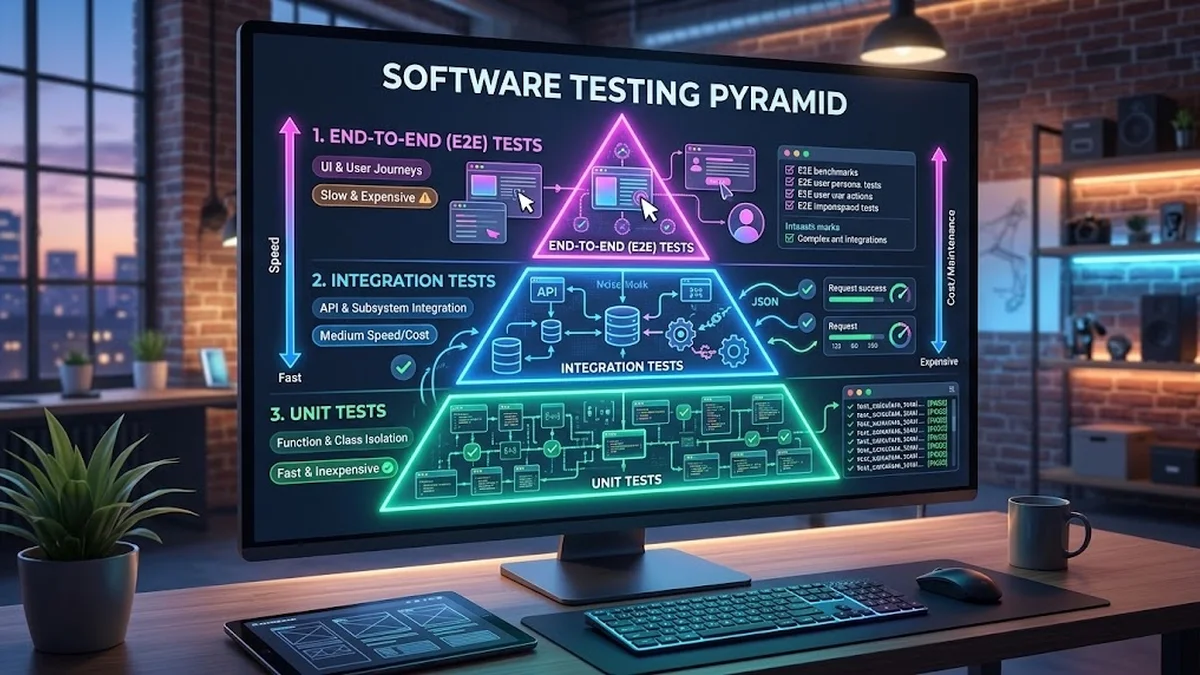
The False Dichotomy of Manual vs. Automated QA In software engineering discussions, testing is often framed as an all-o...
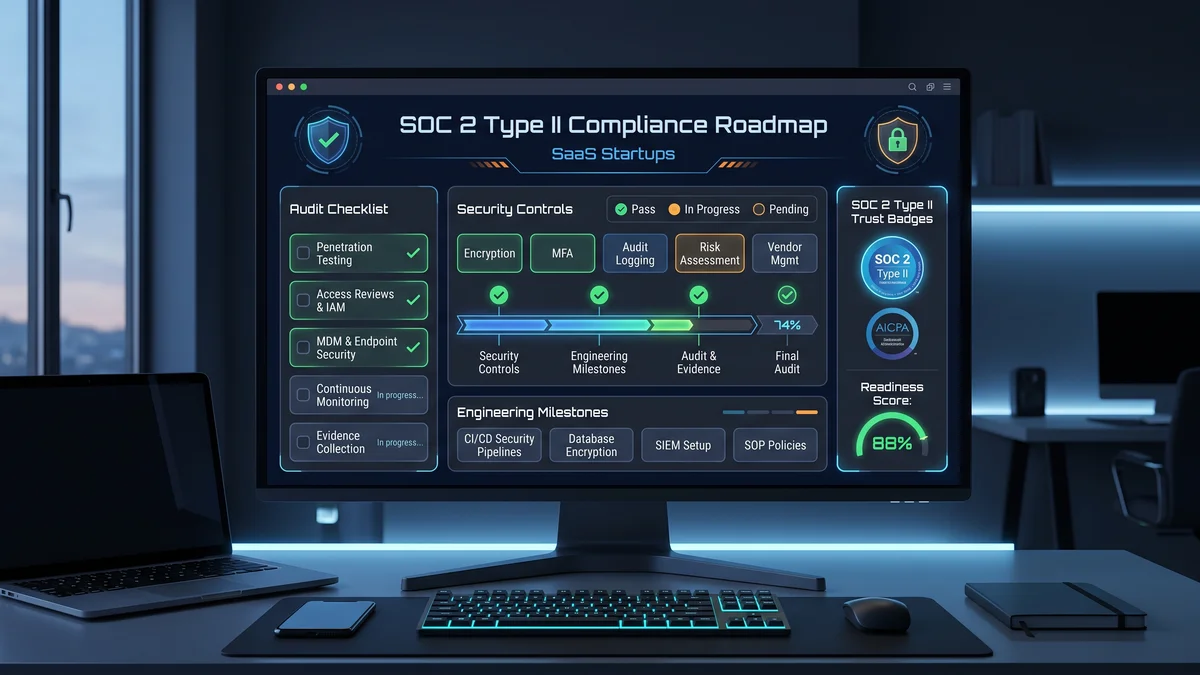
Why Enterprise B2B Buyers Mandate SOC 2 Type II When selling software to Fortune 500 enterprises, healthcare organizati...