
Sylnovia © 2026 · All Rights Reserved

In modern distributed software engineering, a one-size-fits-all approach to networking protocols is a recipe for architectural inefficiency. An API protocol designed for public third-party integration is ill-suited for high-throughput internal microservice communication, and vice-versa.
Engineering leaders must strategically choose between REST, GraphQL, and gRPC based on client requirements, data transfer volume, and network constraints.
| Protocol | Data Format | Transport Layer | Primary Strength | Primary Weakness |
|---|---|---|---|---|
| REST | JSON / XML | HTTP/1.1 or HTTP/2 | Universal compatibility, CDN caching | Over-fetching, multiple network roundtrips |
| GraphQL | JSON | HTTP/1.1 or HTTP/2 | Client-specified queries, zero over-fetching | Complex server caching, query abuse risk |
| gRPC | Protocol Buffers (Binary) | HTTP/2 | Blazing speed, compact payloads, streaming | Lacks native web browser client support |
Sylnovia designs scalable API ecosystems combining gRPC for internal microservices, GraphQL for rich client dashboards, and REST for public partner integrations. Connect with our backend engineering specialists today.
Delivering deep technical insights, architectural blueprints, and digital strategy for modern engineering squads.


The Strategic Hiring Dilemma for Growing Businesses When leadership teams decide to build a custom software platform or...
The False Dichotomy of Manual vs. Automated QA In software engineering discussions, testing is often framed as an all-o...
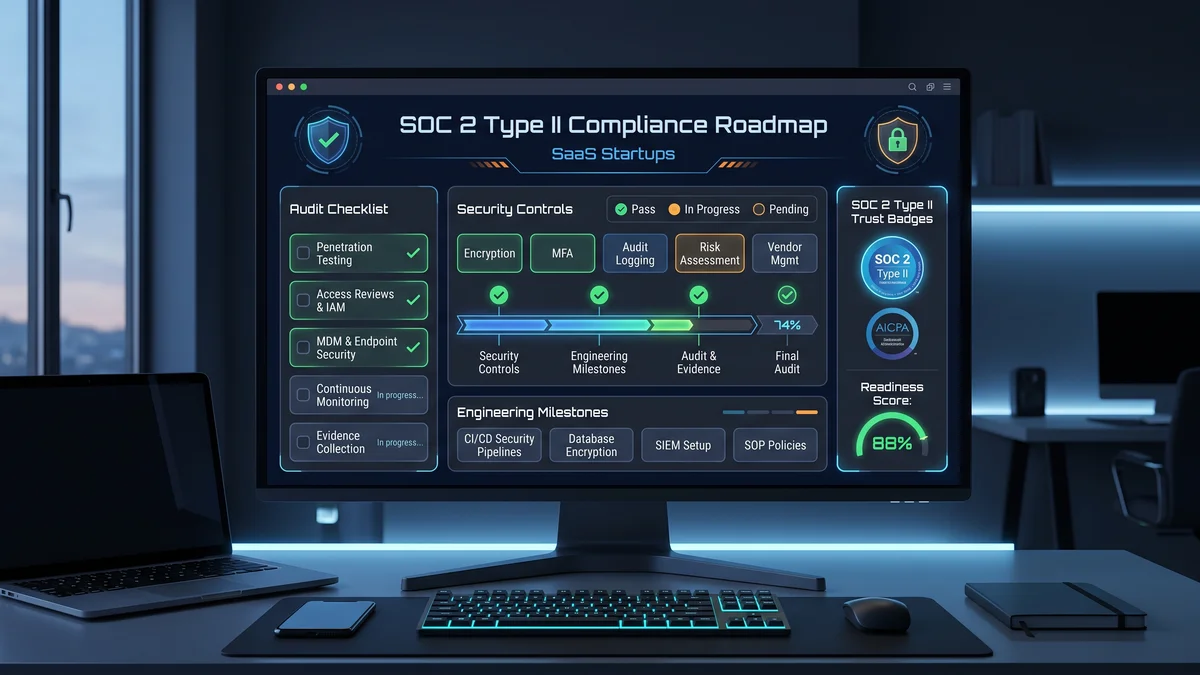
Why Enterprise B2B Buyers Mandate SOC 2 Type II When selling software to Fortune 500 enterprises, healthcare organizati...