
Sylnovia © 2026 · All Rights Reserved

Building native mobile applications using separate codebases (Swift for iOS and Kotlin for Android) offers maximum hardware control, but it doubles your engineering headcount, creates feature divergence, and drastically inflates ongoing maintenance budgets. Cross-platform frameworks have matured to deliver 60fps/120fps native performance, near-instant hot reloading, and 90%+ code sharing across platforms.
For engineering leaders, the primary decision centers around the two dominant market leaders: Google's Flutter and Meta's React Native.
Flutter controls every single pixel rendered on screen by embedding its own high-performance 2D rendering engine (Impeller). It bypasses native OS UI widgets entirely, drawing UI directly on the GPU. This guarantees 100% pixel-perfect visual consistency across every iOS and Android device, eliminating platform-specific layout quirks.
React Native renders real, native platform widgets (e.g., UICollectionView on iOS, RecyclerView on Android). With React Native's New Architecture, the legacy asynchronous JSON bridge has been completely replaced by JSI (JavaScript Interface), allowing C++ and JavaScript to communicate synchronously with zero serialization overhead.
Both frameworks reduce initial mobile MVP development costs by 40% compared to dual-native development. Choose React Native if your company already maintains a React web application or has an existing TypeScript engineering team. Choose Flutter if your product demands high-fidelity custom design systems, bespoke animations, or rapid cross-device visual parity.
At Sylnovia, our mobile engineers build high-performance iOS and Android applications utilizing both Flutter and React Native. Reach out to our mobile team to evaluate the optimal framework for your mobile roadmap.
Delivering deep technical insights, architectural blueprints, and digital strategy for modern engineering squads.




The Strategic Hiring Dilemma for Growing Businesses When leadership teams decide to build a custom software platform or...
The False Dichotomy of Manual vs. Automated QA In software engineering discussions, testing is often framed as an all-o...
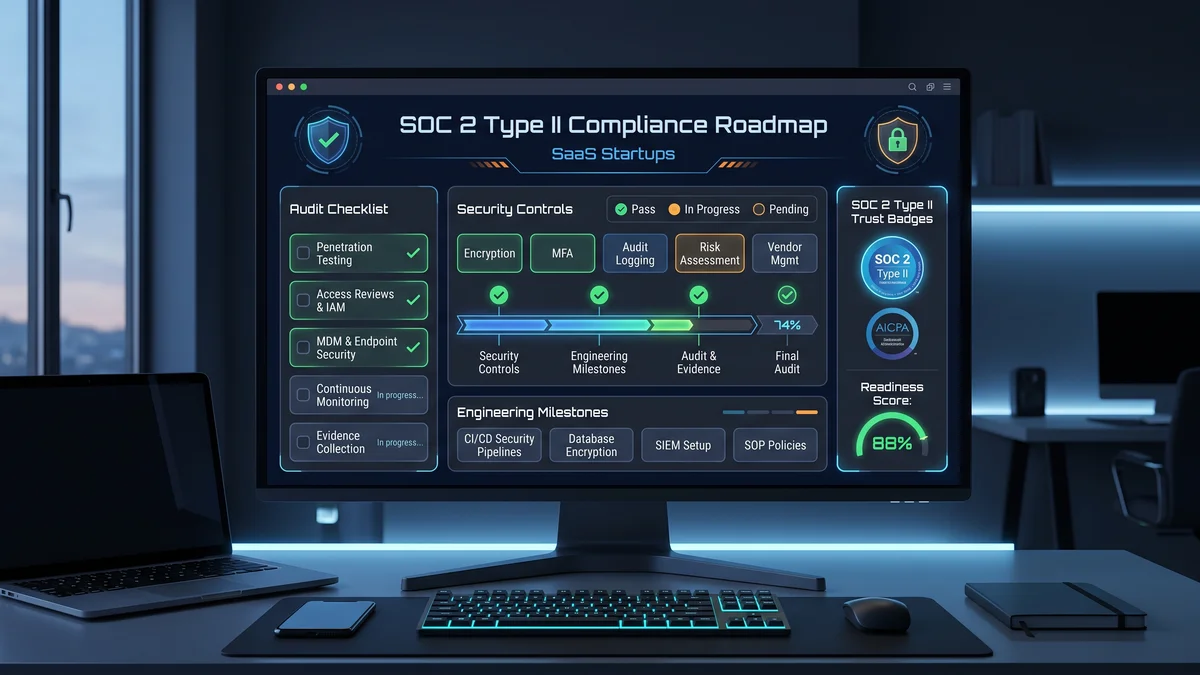
Why Enterprise B2B Buyers Mandate SOC 2 Type II When selling software to Fortune 500 enterprises, healthcare organizati...