
Sylnovia © 2026 · All Rights Reserved

When enterprise leaders decide to leverage generative AI for domain-specific applications, they are immediately confronted with architectural choices: Should we invest in Prompt Engineering, deploy a Retrieval-Augmented Generation (RAG) pipeline, or train a custom Fine-Tuned Model? Choosing the wrong strategy can waste hundreds of thousands of dollars in engineering hours and compute resources.
| Strategy | Primary Use Case | Cost & Complexity | Knowledge Adaptability | Hallucination Risk |
|---|---|---|---|---|
| Prompt Engineering | General reasoning, tone, formatting | Low ($) | Static (limited by context window) | Medium-High |
| RAG | Dynamic private data & factual search | Medium ($$) | Instant (update vector DB) | Very Low (grounded) |
| Fine-Tuning | Specialized syntax, domain jargon, style | High ($$$) | Rigid (requires retraining) | High (without RAG) |
The most sophisticated enterprise systems combine these approaches: A fine-tuned open-source model optimized for concise structured output, operating on top of a dynamic RAG vector pipeline for fresh factual retrieval.
Sylnovia guides organizations through architectural evaluations to select the most cost-effective and secure AI implementation path. Contact our AI engineering team today.
Delivering deep technical insights, architectural blueprints, and digital strategy for modern engineering squads.



The Strategic Hiring Dilemma for Growing Businesses When leadership teams decide to build a custom software platform or...
The False Dichotomy of Manual vs. Automated QA In software engineering discussions, testing is often framed as an all-o...
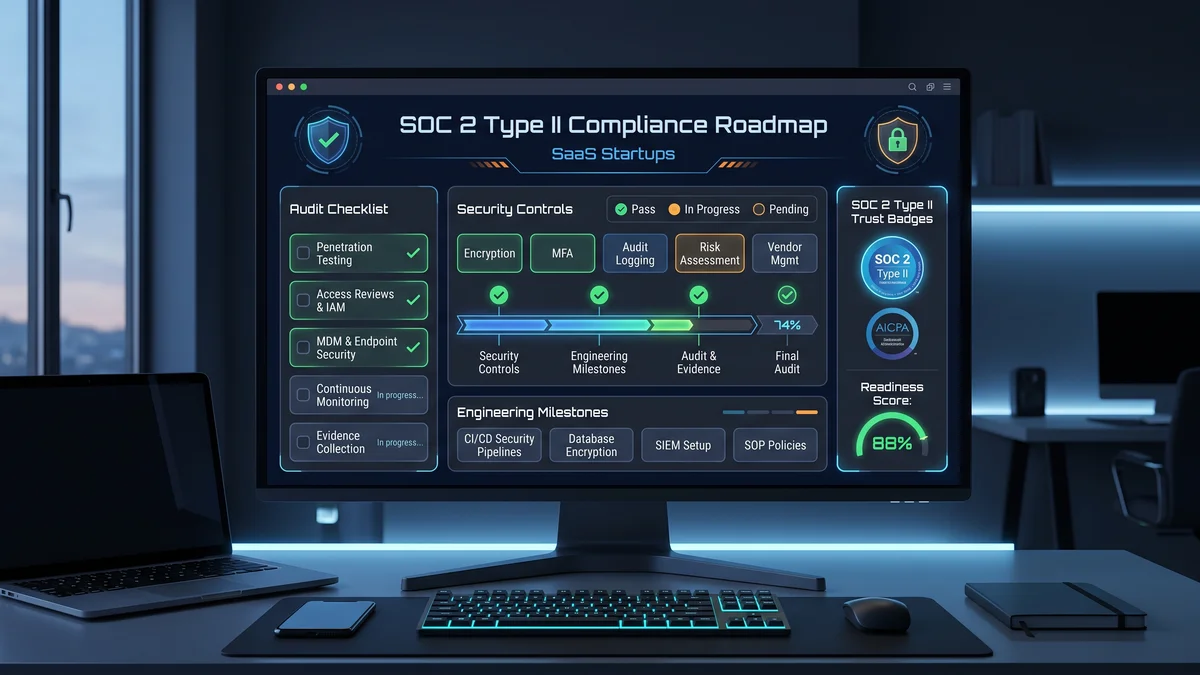
Why Enterprise B2B Buyers Mandate SOC 2 Type II When selling software to Fortune 500 enterprises, healthcare organizati...