
Sylnovia © 2026 · All Rights Reserved
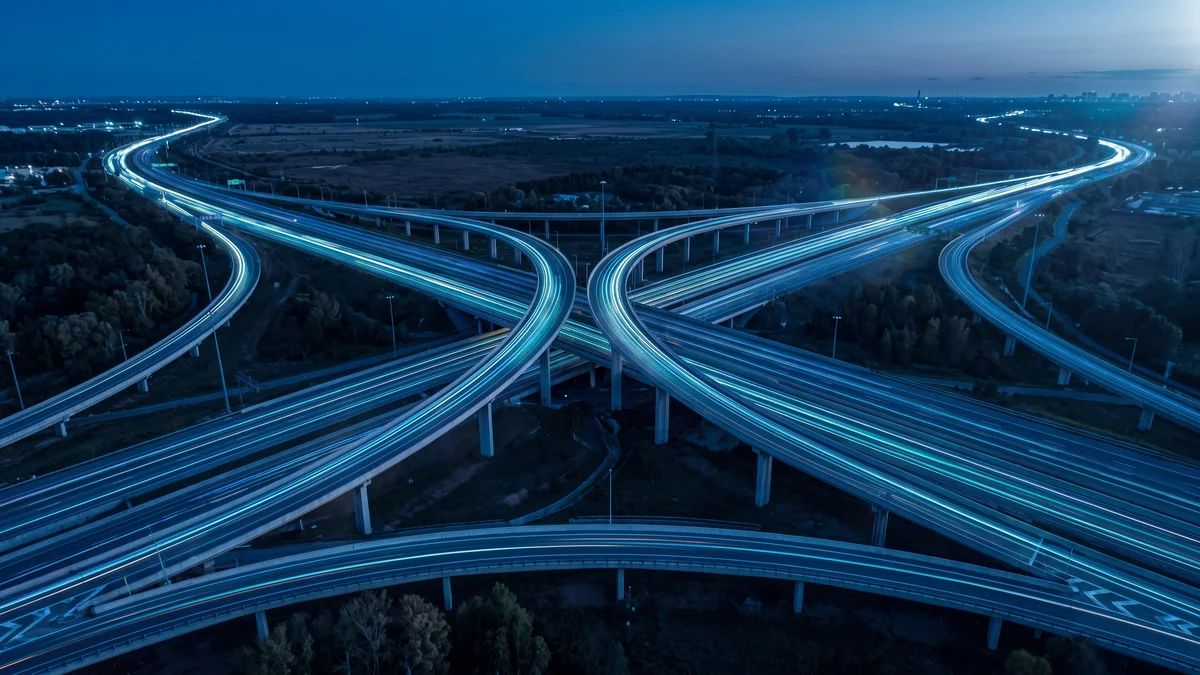
Traditional web architectures rely on synchronous HTTP request-response cycles: a user takes an action, and the application must sequentially execute five database writes, call three external APIs, process billing, and send an email before finally returning a response. When any downstream service experiences latency or crashes, the entire user experience grinds to a halt.
Event-Driven Architecture (EDA) breaks this synchronous coupling by modeling system interactions around events—significant state changes that have occurred within the domain (e.g., OrderPlaced, PaymentCaptured, UserRegistered). Producers emit events without needing to know who consumes them, creating highly responsive, resilient, and horizontally scalable systems.
While EDA offers massive scalability, it introduces distributed complexity:
event_ids in Redis or database unique constraints to prevent duplicate execution.Transitioning to event-driven architecture unlocks unprecedented throughput and system fault tolerance. Sylnovia specializes in architecting high-volume Kafka and RabbitMQ pipelines, asynchronous queue orchestration, and resilient microservices. Contact our distributed systems team to discuss your infrastructure.
Delivering deep technical insights, architectural blueprints, and digital strategy for modern engineering squads.
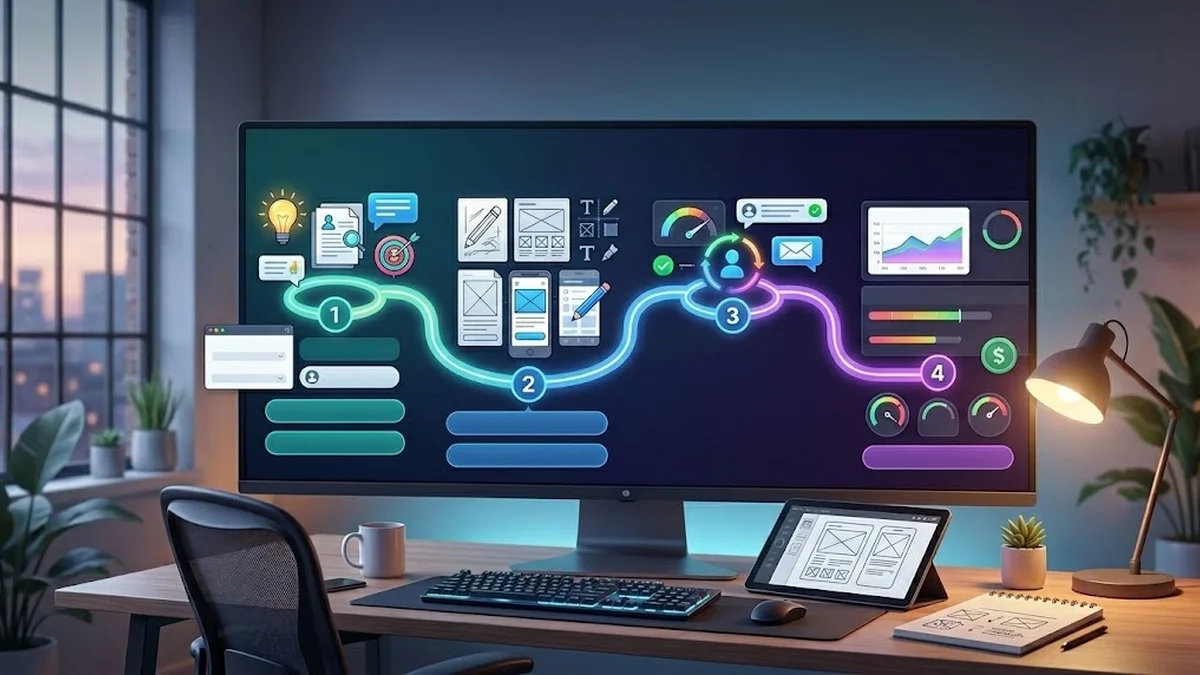
The Strategic Hiring Dilemma for Growing Businesses When leadership teams decide to build a custom software platform or...
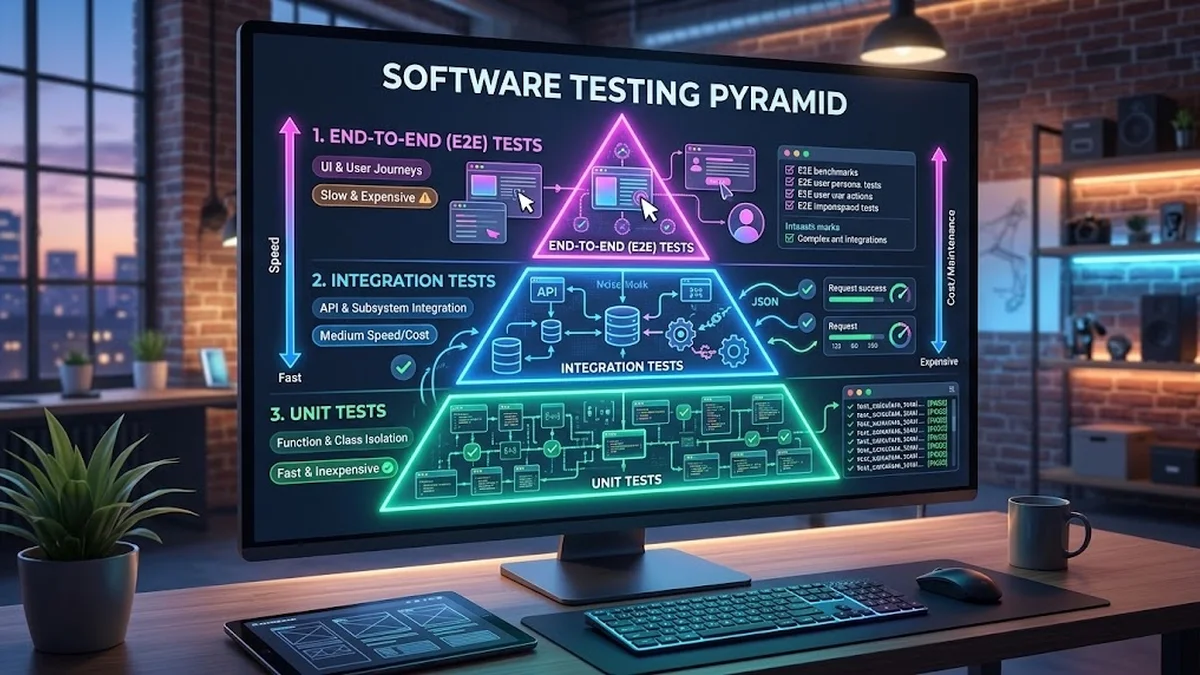
The False Dichotomy of Manual vs. Automated QA In software engineering discussions, testing is often framed as an all-o...
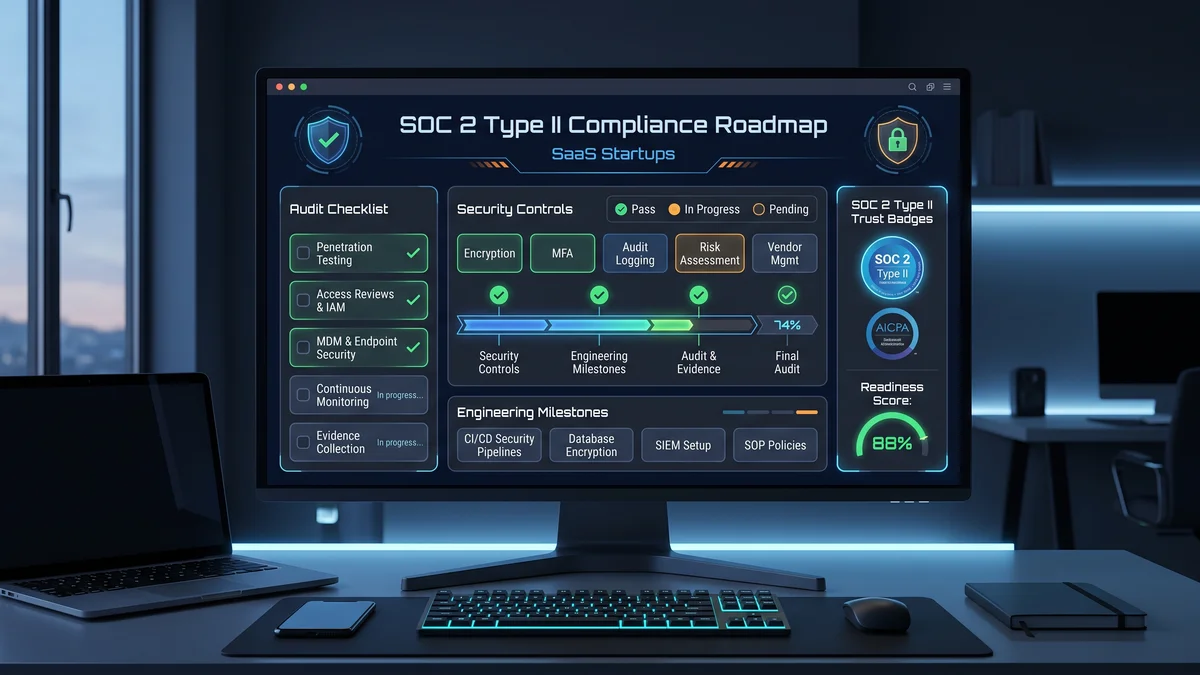
Why Enterprise B2B Buyers Mandate SOC 2 Type II When selling software to Fortune 500 enterprises, healthcare organizati...