
Sylnovia © 2026 · All Rights Reserved

As enterprise software systems expand, the primary challenge is rarely raw compute power—it is intellectual complexity. Without disciplined structural boundaries, business logic bleeds into database models, controllers, and UI views. A change in the checkout discount calculation inadvertently breaks customer invoice PDFs. This architectural decay is known as the "Big Ball of Mud."
Domain-Driven Design (DDD), pioneered by Eric Evans, provides a structured methodology for tackling complex business logic by aligning software design directly with real-world business models.
Lead entity—not a generic UserRecord with dozens of nullable flags.Order with a distinct UUID, whose status transitions from Draft to Paid).Money containing amount and currency, or EmailAddress with built-in format validation). If two Value Objects share identical values, they are equal.$order->addItem(...)), ensuring internal business invariants are always strictly enforced.OrderShipped), allowing secondary actions to execute asynchronously.Tactical DDD pairs naturally with Hexagonal Architecture. The core Domain Logic remains completely isolated at the center, entirely independent of database drivers, HTTP frameworks, or cloud SDKs. Infrastructure dependencies point inwards through interface "ports" implemented by adapter classes, making your business logic trivial to unit-test and future-proof against framework changes.
At Sylnovia, we build enterprise web applications with clean, maintainable Domain-Driven architectures. We help forward-thinking companies eliminate technical debt and build resilient codebases that remain maintainable for decades. Contact us to audit your architecture.
Delivering deep technical insights, architectural blueprints, and digital strategy for modern engineering squads.
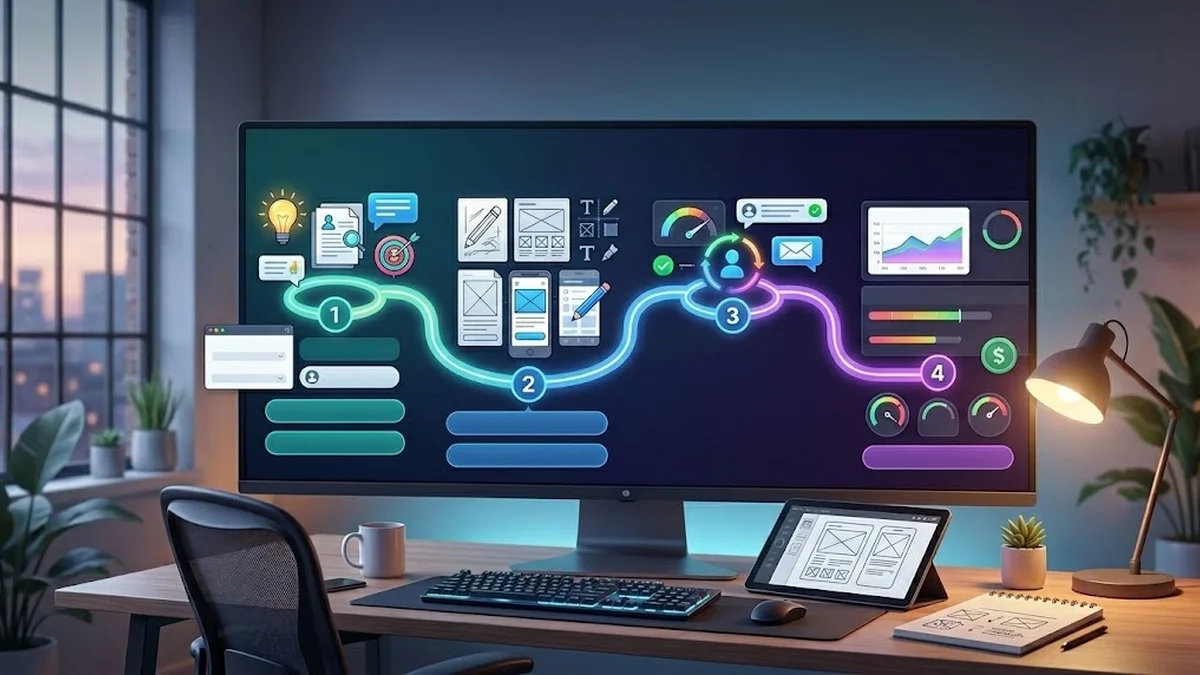
The Strategic Hiring Dilemma for Growing Businesses When leadership teams decide to build a custom software platform or...
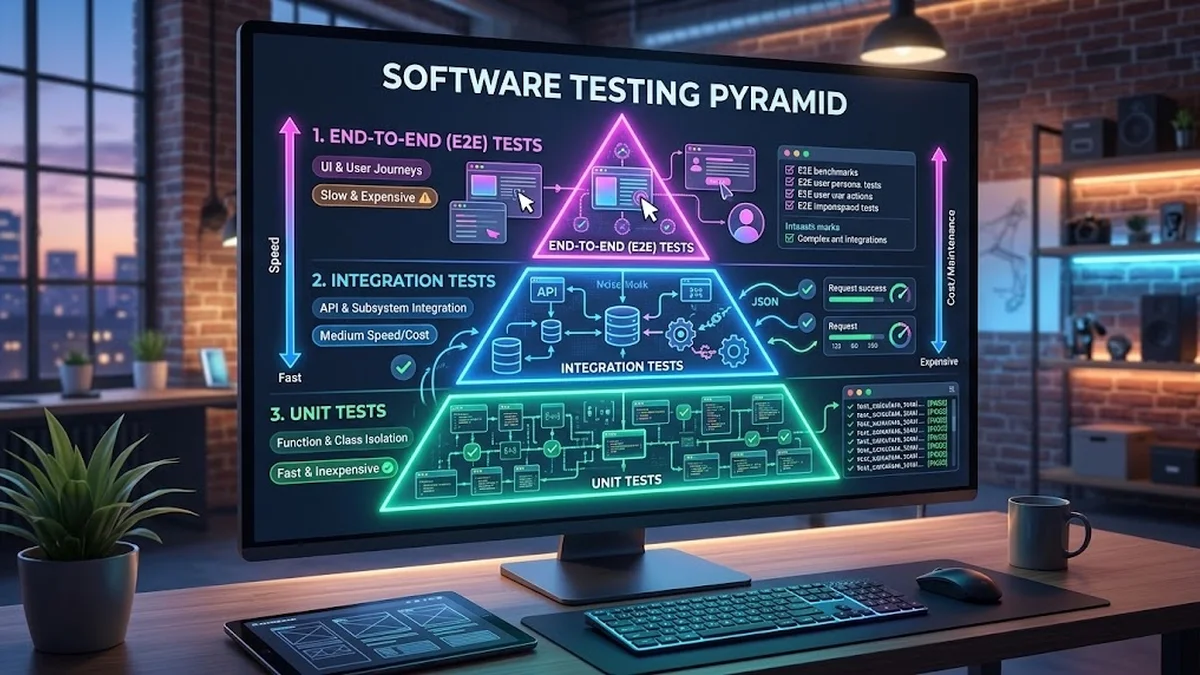
The False Dichotomy of Manual vs. Automated QA In software engineering discussions, testing is often framed as an all-o...
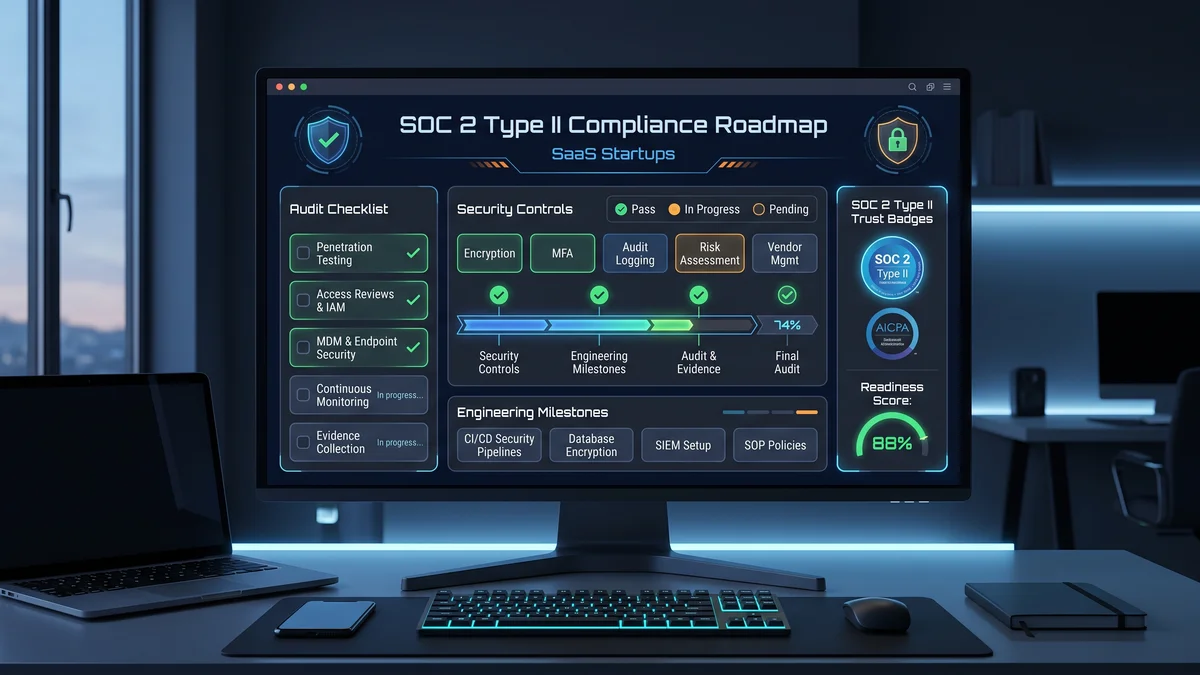
Why Enterprise B2B Buyers Mandate SOC 2 Type II When selling software to Fortune 500 enterprises, healthcare organizati...