
Sylnovia © 2026 · All Rights Reserved

Containerization with Docker revolutionized software development by packaging applications and their runtime dependencies into lightweight, portable, and immutable container images. "It works on my machine" became an obsolete excuse. But while Docker excels at packaging and running a single container on a single machine, operating hundreds of containers across dozens of physical or cloud servers introduces a new challenge: container orchestration.
This is where Kubernetes (K8s) enters the picture. However, Kubernetes is not always the right choice—its immense operational complexity can easily overwhelm small engineering teams.
You do not need Kubernetes if your application runs on 1 to 5 servers. Deploying Kubernetes for a simple monolithic SaaS or CRUD app introduces massive unnecessary overhead: managing control planes, ingress controllers, CNI networking, and YAML sprawl.
Instead, lightweight options like Docker Swarm, AWS ECS (Elastic Container Service), or Kamal provide 90% of the benefits (zero-downtime deploys, automated restarts, rolling updates) with 10% of the operational complexity.
Deploy Kubernetes (via managed offerings like AWS EKS or Google GKE) when:
Sylnovia designs container architectures matched to your actual business scale. We help you avoid over-engineering while building robust, autoscaling infrastructure that handles millions of users. Contact our cloud architects today.
Delivering deep technical insights, architectural blueprints, and digital strategy for modern engineering squads.



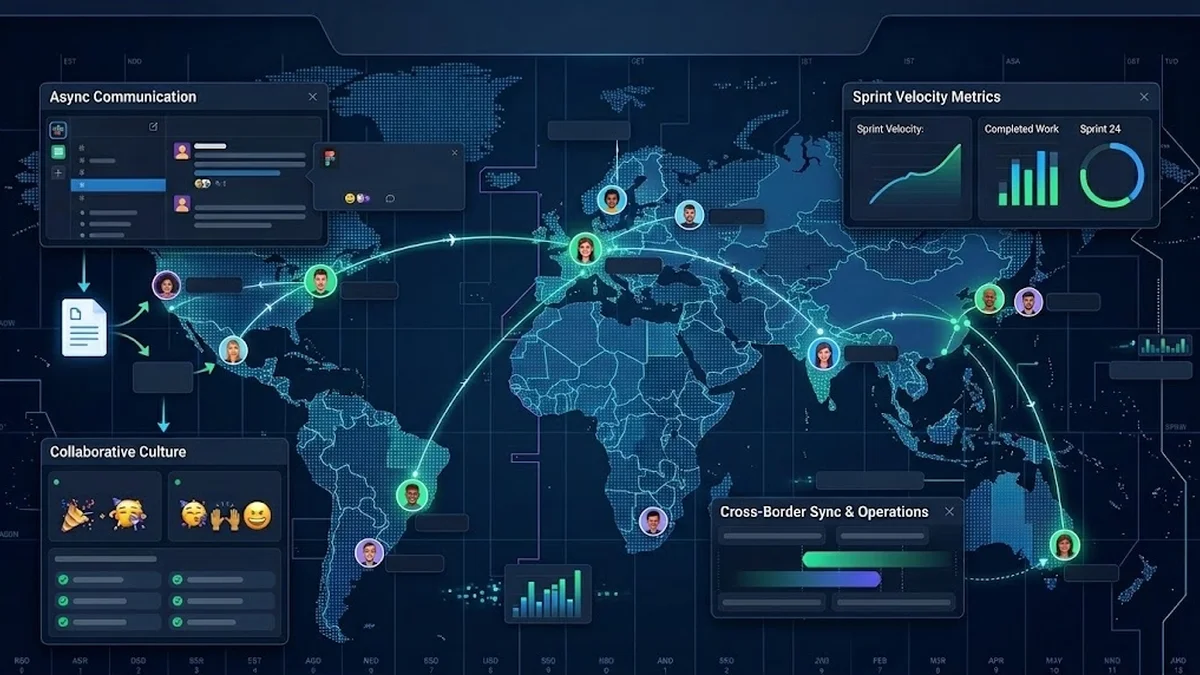
The Strategic Hiring Dilemma for Growing Businesses When leadership teams decide to build a custom software platform or...
The False Dichotomy of Manual vs. Automated QA In software engineering discussions, testing is often framed as an all-o...
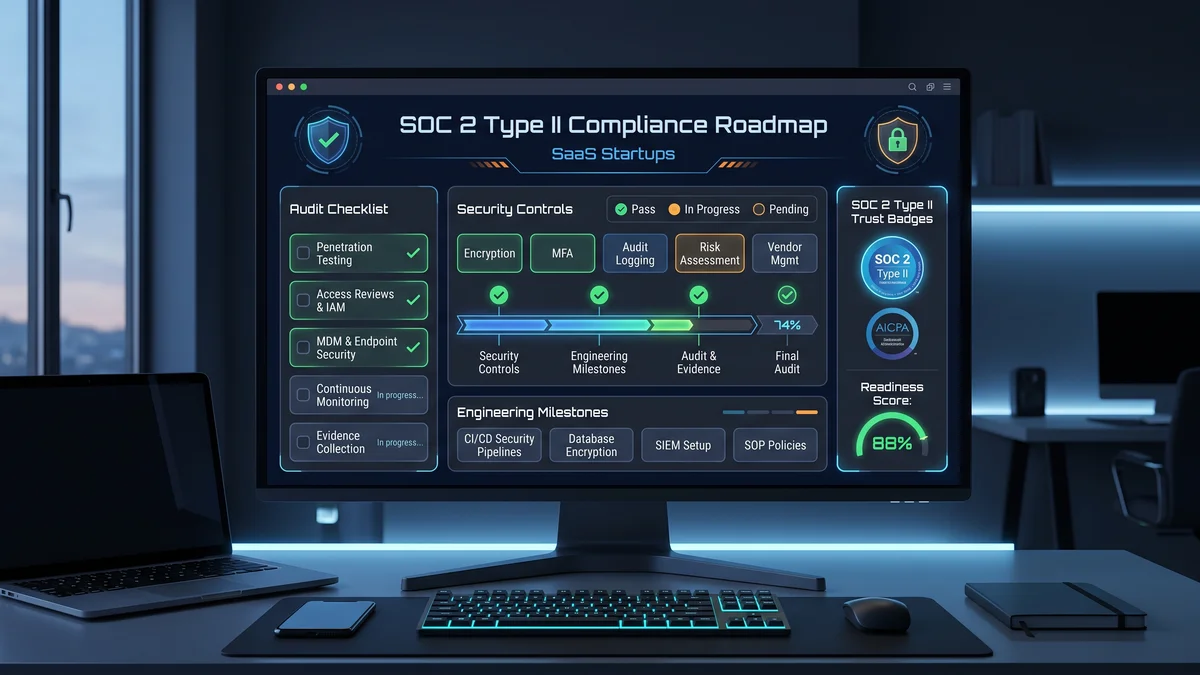
Why Enterprise B2B Buyers Mandate SOC 2 Type II When selling software to Fortune 500 enterprises, healthcare organizati...