
Sylnovia © 2026 · All Rights Reserved

In 90% of slow web applications, the primary culprit is not inefficient application code—it is an unoptimized database. Sluggish page loads, 504 gateway timeouts, and server crashes during traffic spikes almost always stem from unindexed queries, database table locks, connection pool exhaustion, and N+1 query loops.
Database performance tuning is a high-leverage engineering discipline that can improve application speed by 10x without spending an extra dollar on server hardware.
user_id) and search filters allows the database to locate records in logarithmic time: O(log N).WHERE status = 'active' AND created_at > ?), a composite index on (status, created_at) outperforms single-column indexes. Always place the most selective or equality-filtered column first.SELECT query, the engine satisfies the query entirely from index memory without touching the underlying table heap data, delivering blazing-fast response times.EXPLAIN ANALYZE to your query to inspect the actual execution plan: look for red flags like "Seq Scan", temporary tables, or high row estimates.ORM tools (Eloquent, Prisma, Hibernate) make database querying effortless, but naive usage creates catastrophic N+1 queries—executing 1 query to fetch 50 users, followed by 50 individual queries to fetch their company profiles. Always utilize Eager Loading (e.g., User::with('company')->get()) to execute exactly 2 optimized batch queries regardless of dataset size.
Each new database connection consumes server RAM and CPU overhead. Deploy connection poolers (such as PgBouncer for PostgreSQL or ProxySQL for MySQL) to reuse a steady pool of database connections across ephemeral web requests. For read-heavy applications, configure database read replicas to offload reporting queries and public browsing traffic from the primary write master.
At Sylnovia, our database specialists tune complex SQL architectures, optimize high-throughput indexing, and resolve latency bottlenecks. Schedule a database audit to restore speed to your platform.
Delivering deep technical insights, architectural blueprints, and digital strategy for modern engineering squads.




The Strategic Hiring Dilemma for Growing Businesses When leadership teams decide to build a custom software platform or...
The False Dichotomy of Manual vs. Automated QA In software engineering discussions, testing is often framed as an all-o...
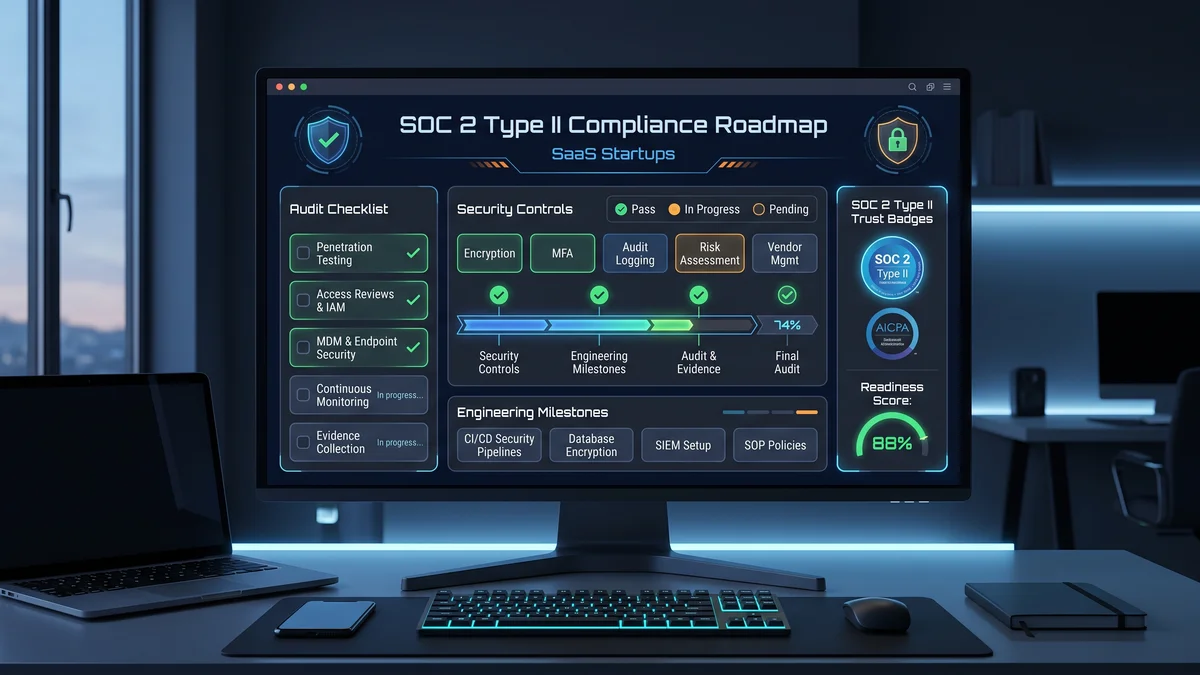
Why Enterprise B2B Buyers Mandate SOC 2 Type II When selling software to Fortune 500 enterprises, healthcare organizati...