
Sylnovia © 2026 · All Rights Reserved

The most common cause of self-inflicted production downtime is executing destructive database schema migrations while application traffic is running. An engineer deploys a migration that renames a column from phone to phone_number. During the 90 seconds while servers are restarting and deploying code, running application servers continue executing queries referencing the old column name, instantly throwing thousands of 500 error pages to active users.
True continuous delivery requires mastering the Expand and Contract Pattern (Parallel Change Pattern) for database schema migrations.
Introduce the new database column or table alongside the old one. The new column must be nullable or possess a default value so existing code continues functioning without error.
// Migration 1: Add new column without touching old one
ALTER TABLE users ADD COLUMN phone_number VARCHAR(50) NULL;Deploy application code that reads from the old column, but writes new data to both the old and new columns. Simultaneously, run a background chunked data migration job that backfills historical records from phone into phone_number.
Deploy code that now reads exclusively from phone_number while continuing dual-writes for safety. Verify zero regression in production telemetry.
Deploy a final migration that safely drops the deprecated phone column. The migration is completed with zero downtime and zero broken queries.
Running ALTER TABLE on a table with 50 million rows locks the table for minutes or hours, halting all application writes. Use online schema change tools like gh-ost or pt-online-schema-change (or PostgreSQL's CREATE INDEX CONCURRENTLY) that create an auxiliary shadow table, stream changes via binlogs, and execute an atomic table swap in milliseconds.
Sylnovia helps enterprise platforms execute zero-downtime database transformations, sharding, and high-volume migrations. Partner with our senior database engineers to secure your release process.
Delivering deep technical insights, architectural blueprints, and digital strategy for modern engineering squads.

The Strategic Hiring Dilemma for Growing Businesses When leadership teams decide to build a custom software platform or...
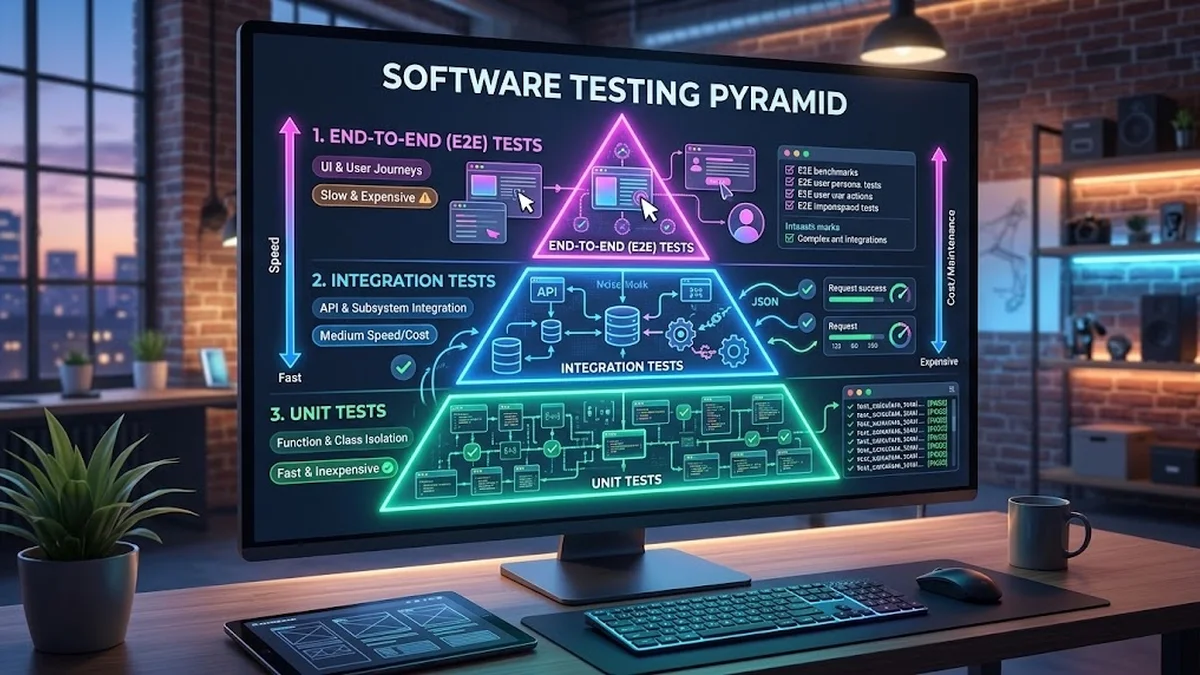
The False Dichotomy of Manual vs. Automated QA In software engineering discussions, testing is often framed as an all-o...
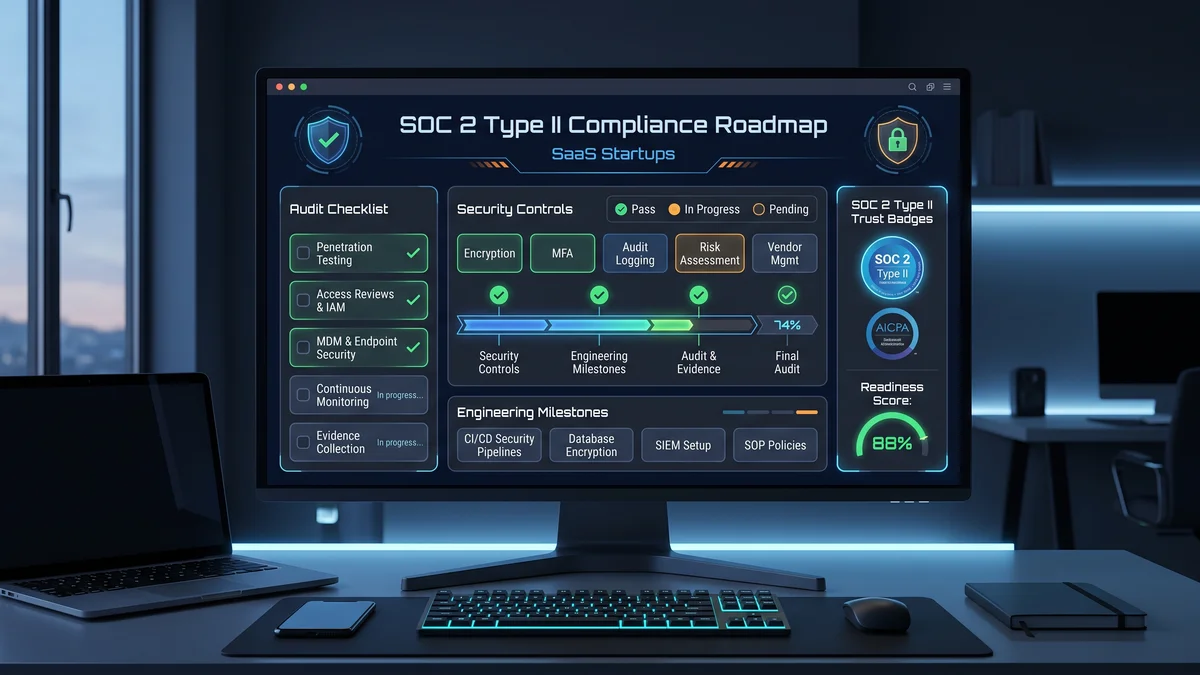
Why Enterprise B2B Buyers Mandate SOC 2 Type II When selling software to Fortune 500 enterprises, healthcare organizati...