Sylnovia
Sylnovia © 2026 · All Rights Reserved

Transmissions / Engineering Insight

The True Cost of Custom Software Development: 2027 Pricing Breakdown & Budgeting Guide

Date: October 15, 2026
•
Read Time: 3 Min Read
•
By: Sylnovia Labs
The True Cost of Custom Software Development: 2027 Pricing Breakdown & Budgeting Guide

Understanding the Real Investment Behind Custom Software

When business leaders ask, "How much does custom software development cost in 2027?" the most honest answer is that pricing depends entirely on scope, technical complexity, integration requirements, and long-term architectural objectives. In today's market, bespoke software typically ranges from $15,000 for a focused Minimum Viable Product (MVP) to $250,000+ for enterprise-grade distributed systems.

Off-the-shelf software initially appears cheaper due to accessible monthly subscriptions. However, per-seat licensing tiers, vendor lock-in, missing workflow integrations, and recurring workaround costs quickly erode that initial financial advantage. Custom software, by contrast, transforms into an owned capital asset—a proprietary operational moat tailored precisely to your organization's bottlenecks.

The Four Core Cost Drivers in Custom Software Engineering

  1. Scope and Architectural Complexity: A simple database CRUD portal with basic role authentication requires far fewer engineering sprints than an event-driven microservices architecture handling real-time data streaming, multi-tier permissions, and automated financial settlements.
  2. Third-Party Integrations & Data Pipelines: Connecting legacy ERPs (SAP, NetSuite), payment gateways (Stripe, Adyen), customer platforms (Salesforce, HubSpot), and external REST/GraphQL APIs demands rigorous data validation, webhook resilience, idempotency, and error-recovery mechanisms.
  3. User Experience (UI/UX) & Front-End Polish: Standard utilitarian internal admin tools require less iterative research than customer-facing B2B SaaS platforms demanding custom micro-interactions, responsive cross-device fluid typography, and strict Web Content Accessibility Guidelines (WCAG 2.2 AA) compliance.
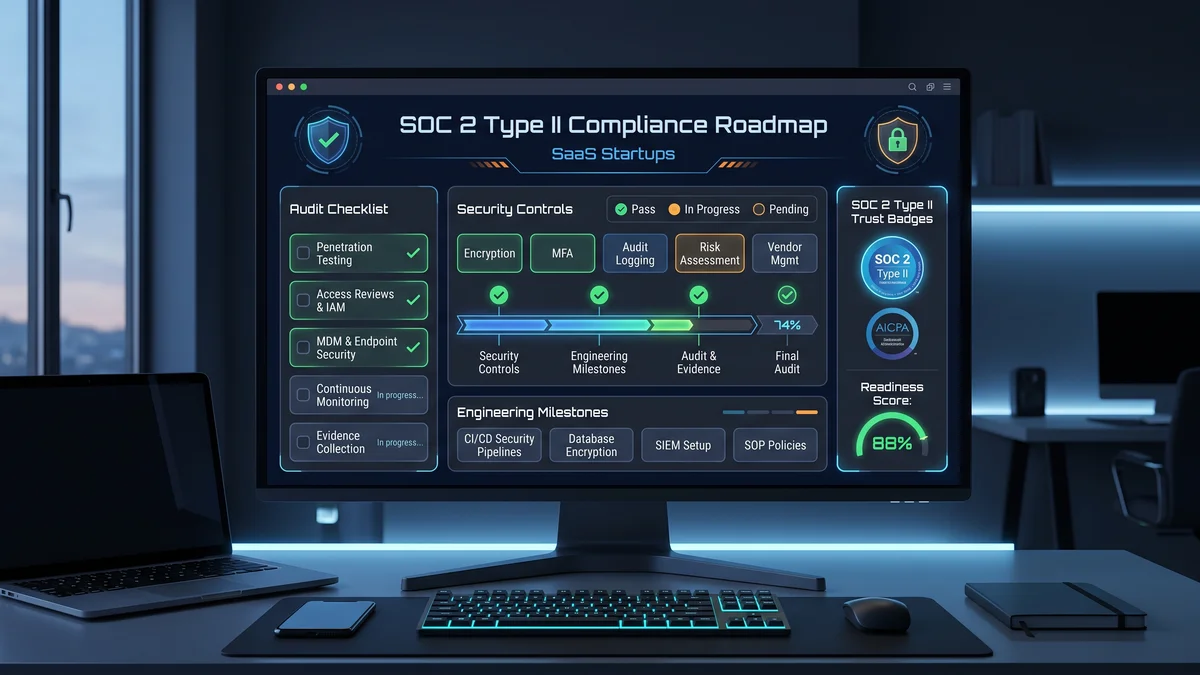
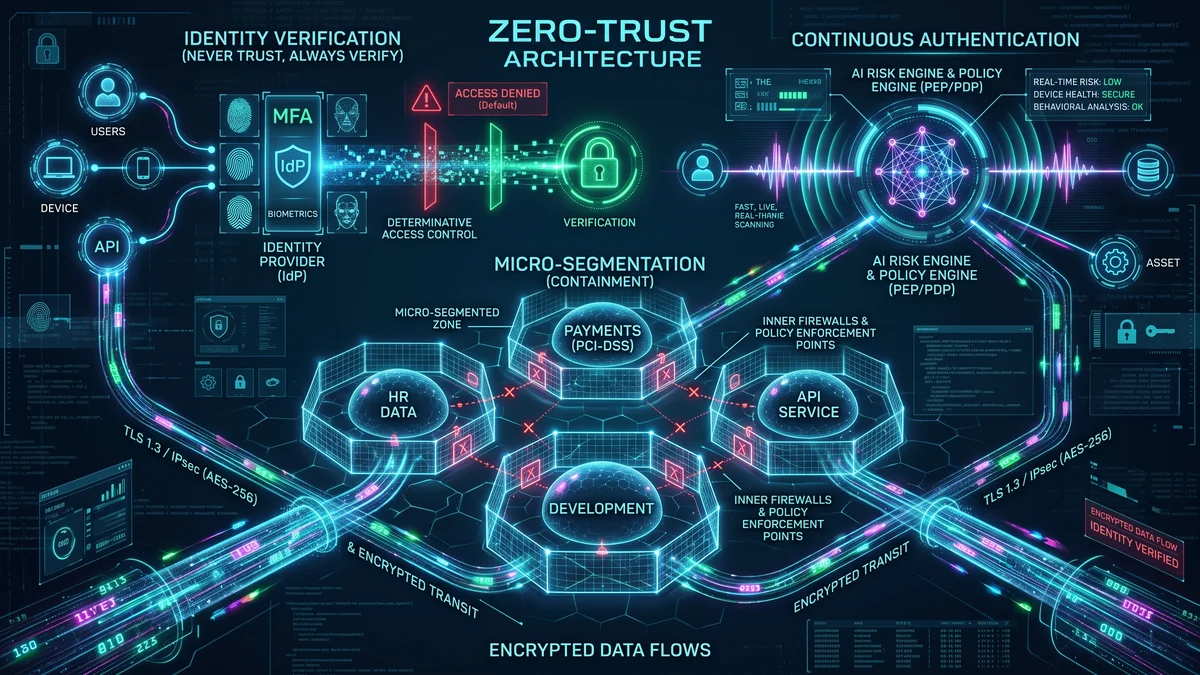
  4. Security, Compliance & Regulatory Auditing: Building applications that process sensitive healthcare (HIPAA), financial (PCI-DSS), or enterprise records (SOC 2 Type II, GDPR) requires end-to-end encryption at rest and in transit, comprehensive audit logging, automated vulnerability scanning, and third-party penetration testing.

2027 Cost Breakdown by Project Scale

  • Stage 1: Validated MVP ($15,000 – $40,000): Ideal for validating market demand with real users. Typical timeline: 6 to 10 weeks. Includes core user authentication, essential workflow automation, primary payment integration, and a production-grade cloud deployment.
  • Stage 2: Mid-Tier Commercial Application ($40,000 – $100,000): Suitable for scaling businesses automating multi-departmental operations. Typical timeline: 3 to 6 months. Features advanced role-based access control (RBAC), multi-tenant data isolation, analytics dashboards, and multi-channel notification systems.
  • Stage 3: Enterprise-Grade Ecosystems ($100,000 – $250,000+): High-throughput platforms built for heavy concurrent loads. Features distributed microservices or modular monoliths, multi-region database replication, event-driven message buses, and automated zero-downtime deployment pipelines.

Comparing Pricing Models: Fixed-Price vs. Dedicated Agile Teams

Choosing the correct contractual engagement model is just as critical as budgeting the technical scope:

  • Fixed-Price Contracts: Best suited for tightly bounded projects with frozen requirements. While offering predictable budget caps, changes in feature scope require formal change orders that can delay release velocity.
  • Time and Materials (T&M) / Dedicated Engineering Pods: The industry standard for modern agile product development. You pay for actual sprint velocity, allowing you to iterate features based on real user analytics, customer feedback, and evolving market conditions without bureaucratic delays.

Hidden Costs to Factor Into Your 3-Year Total Cost of Ownership (TCO)

A realistic software budget must extend beyond the initial launch date. Long-term digital success requires budgeting for:

  • Cloud Infrastructure & Managed Services: AWS, Azure, or GCP hosting, managed database clusters, CDN edge delivery, and object storage.
  • Third-Party API Licenses: Transaction fees, email delivery (SendGrid, Postmark), SMS gateways (Twilio), and telemetry logging (Datadog, Sentry).
  • Ongoing Maintenance & Security Upgrades: Framework updates (such as Laravel and React annual major versions), dependency security patches, and database indexing optimizations.

How Sylnovia Maximizes Your Engineering ROI

At Sylnovia, our transparent discovery process eliminates financial ambiguity. We provide comprehensive technical roadmaps, milestone-based velocity tracking, and modular architectures that scale with your revenue. Contact our software strategy team today for an in-depth scope and budget consultation.

S

Published by Sylnovia Engineering

Delivering deep technical insights, architectural blueprints, and digital strategy for modern engineering squads.