
Sylnovia © 2026 · All Rights Reserved
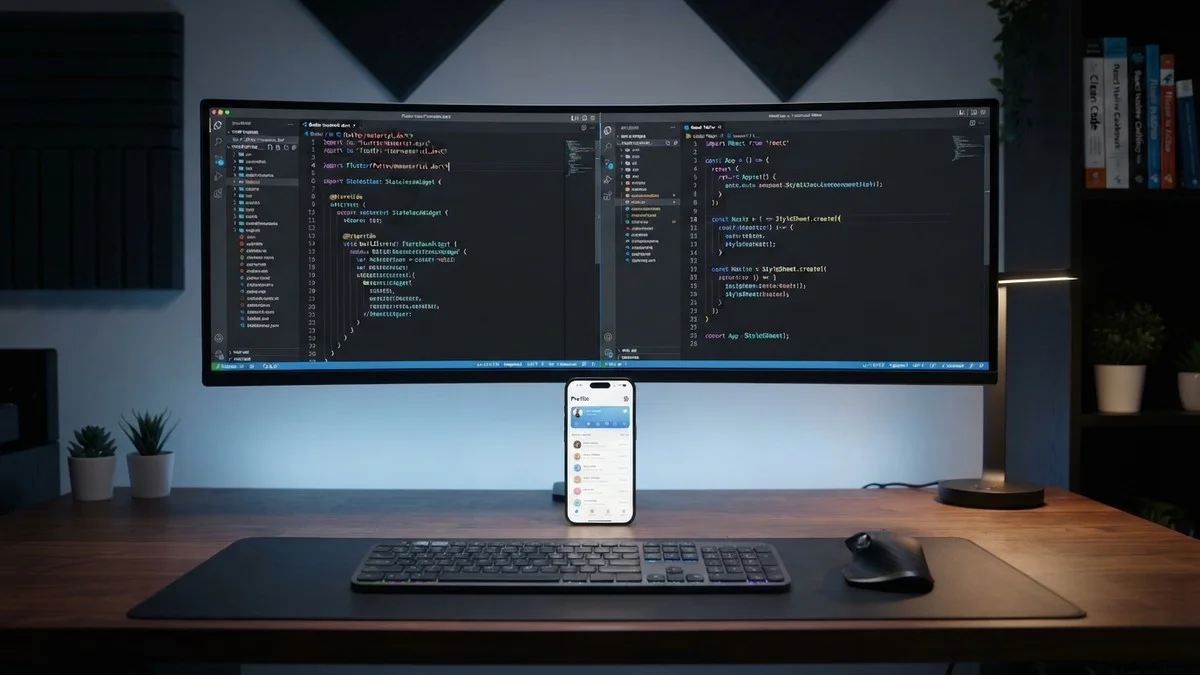
Mobile devices operate in notoriously unpredictable network conditions: spotty cellular connections in basements, dropped signals in subway tunnels, and high-latency hotel Wi-Fi. Applications built with an "online-only" assumption freeze, display broken spinners, or crash the moment connectivity drops, destroying user trust.
Offline-First Architecture inverts this paradigm: local device storage is treated as the primary, authoritative datastore. Read and write operations execute instantaneously against the local database, while a resilient background sync engine reconciles data with the cloud server whenever connectivity is available.
NetInfo), batches queued mutations, and pushes them to the backend API with automatic retry policies.When multiple users edit the exact same entity while offline, how does the system resolve conflicting updates when they reconnect?
Explore how offline-first checkout engines and background syncing eliminated till downtime across 12 high-volume retail branches.
Sylnovia engineers enterprise-grade offline-first mobile and field-service applications with robust data synchronization and conflict resolution. Schedule a technical session with our mobile architects today.
Delivering deep technical insights, architectural blueprints, and digital strategy for modern engineering squads.


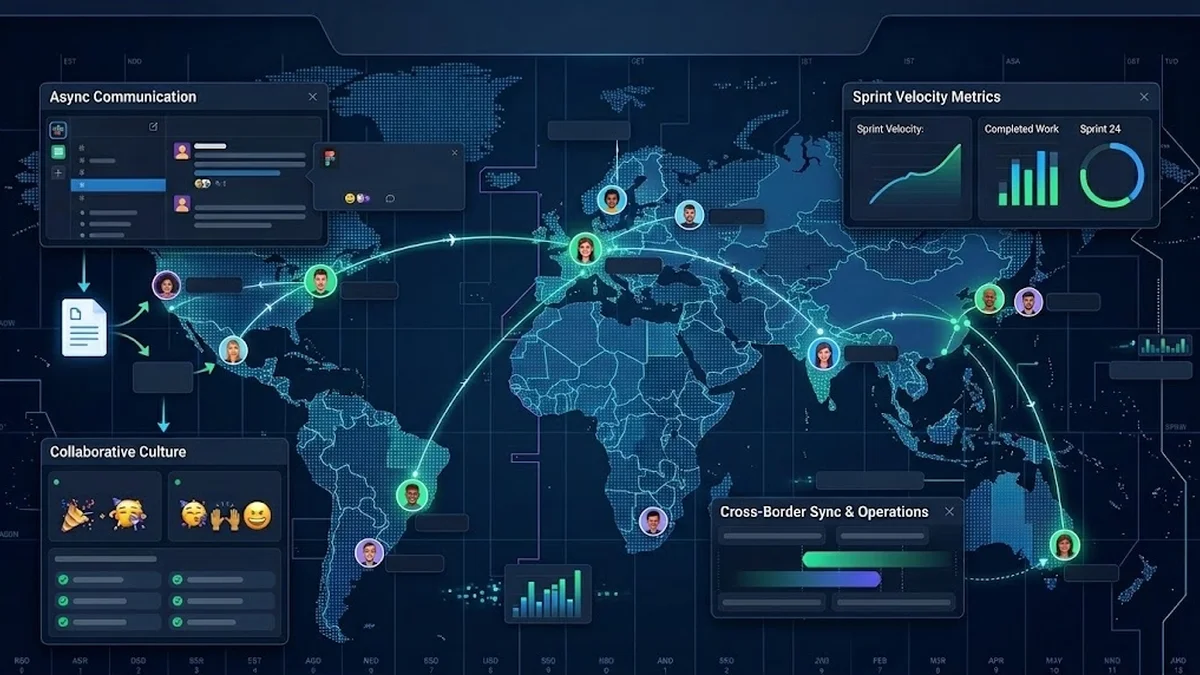
The Strategic Hiring Dilemma for Growing Businesses When leadership teams decide to build a custom software platform or...
The False Dichotomy of Manual vs. Automated QA In software engineering discussions, testing is often framed as an all-o...
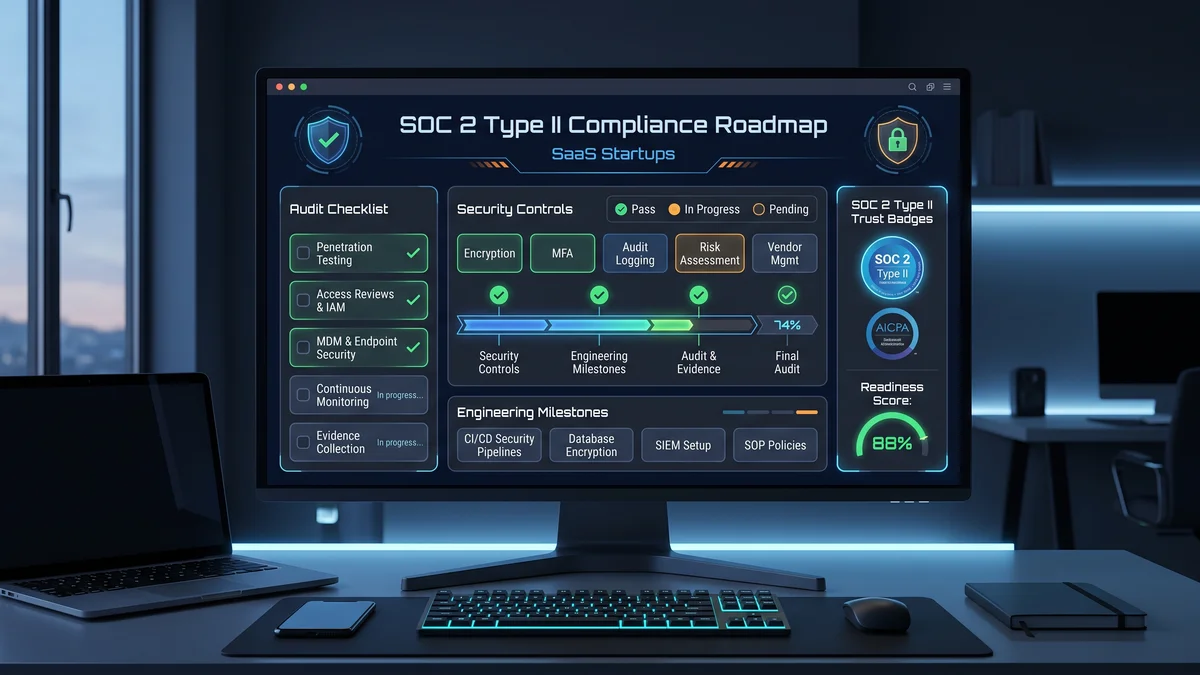
Why Enterprise B2B Buyers Mandate SOC 2 Type II When selling software to Fortune 500 enterprises, healthcare organizati...