
Sylnovia © 2026 · All Rights Reserved

In modern cloud and microservices architectures, failure is not an anomaly—it is a statistical certainty. Third-party payment APIs experience brownouts, cloud network switches fail, database connection pools exhaust, and microservices crash under unexpected traffic spikes. Naive systems that assume reliable network connectivity inevitably suffer cascading systemic outages where a single failing dependency pulls down the entire platform.
Fault tolerance is the discipline of architecting software so that when individual components inevitably fail, the system degrades gracefully, isolates damage, and heals automatically.
Inspired by electrical circuit breakers, this pattern monitors calls to external services:
Retrying failed requests instantly creates a "thundering herd" problem that overwhelms struggling services. Exponential backoff multiplies the wait duration after each attempt (e.g., 100ms, 200ms, 400ms, 800ms). Adding randomized jitter desynchronizes retry bursts, spreading load evenly across time.
Derived from ship design where watertight bulkheads partition the hull so a breach in one compartment does not sink the ship. In software, separate critical resources—such as thread pools, database connection pools, and memory limits—so that an exhaustion in an analytics worker cannot starve core checkout processing.
When an auxiliary service is down, the user interface should gracefully fallback. If the AI-powered recommendation service fails, display generic bestselling products instead of rendering a broken 500 error page.
True resilience requires continuous validation:
Downtime directly damages customer trust and enterprise revenue. Sylnovia engineers enterprise platforms equipped with automated failover, intelligent circuit breakers, and zero-downtime redundancy. Schedule a resilience audit with our Site Reliability Engineering (SRE) specialists.
Delivering deep technical insights, architectural blueprints, and digital strategy for modern engineering squads.
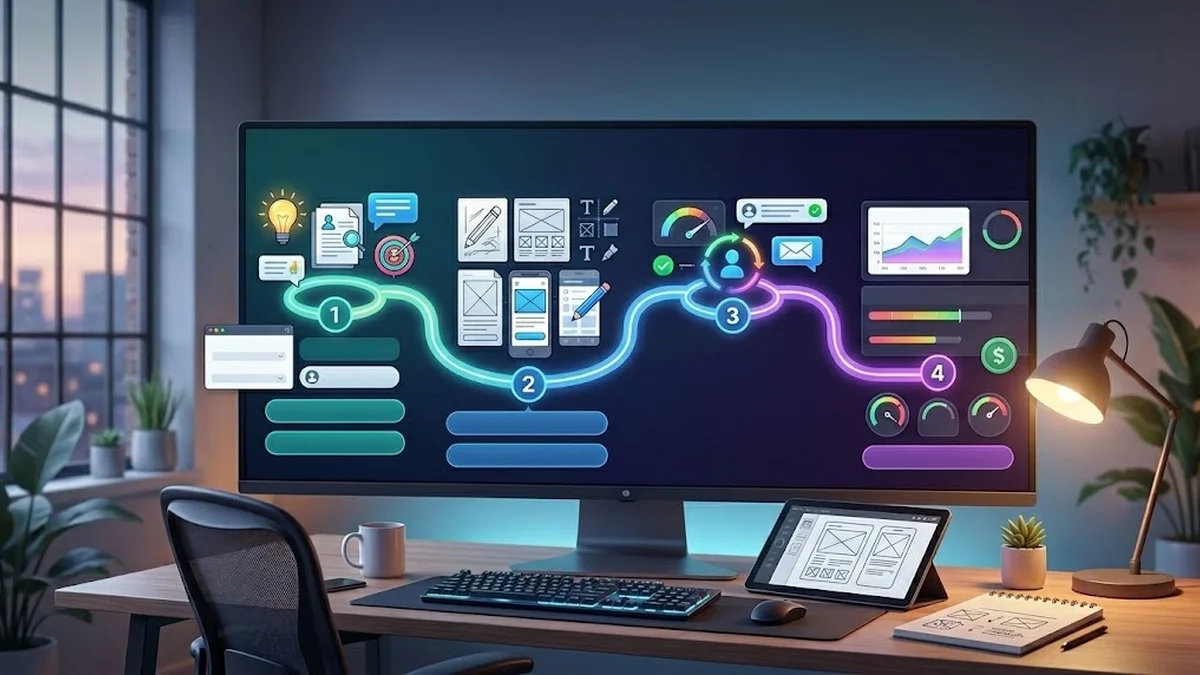
The Strategic Hiring Dilemma for Growing Businesses When leadership teams decide to build a custom software platform or...
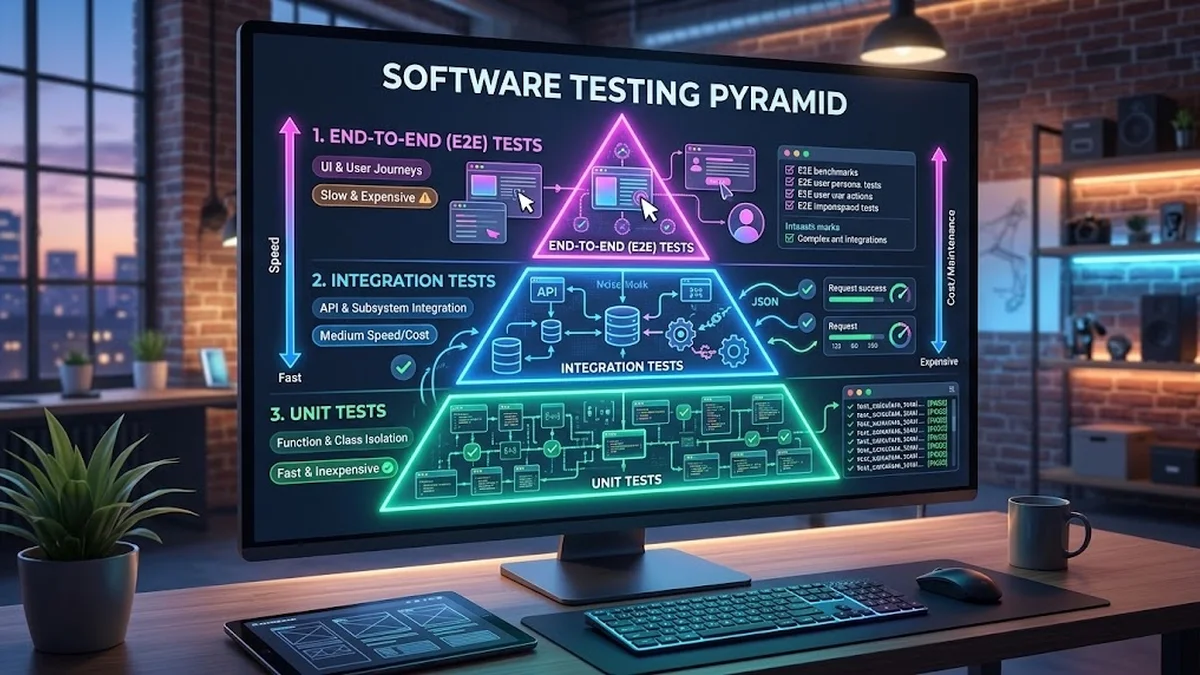
The False Dichotomy of Manual vs. Automated QA In software engineering discussions, testing is often framed as an all-o...
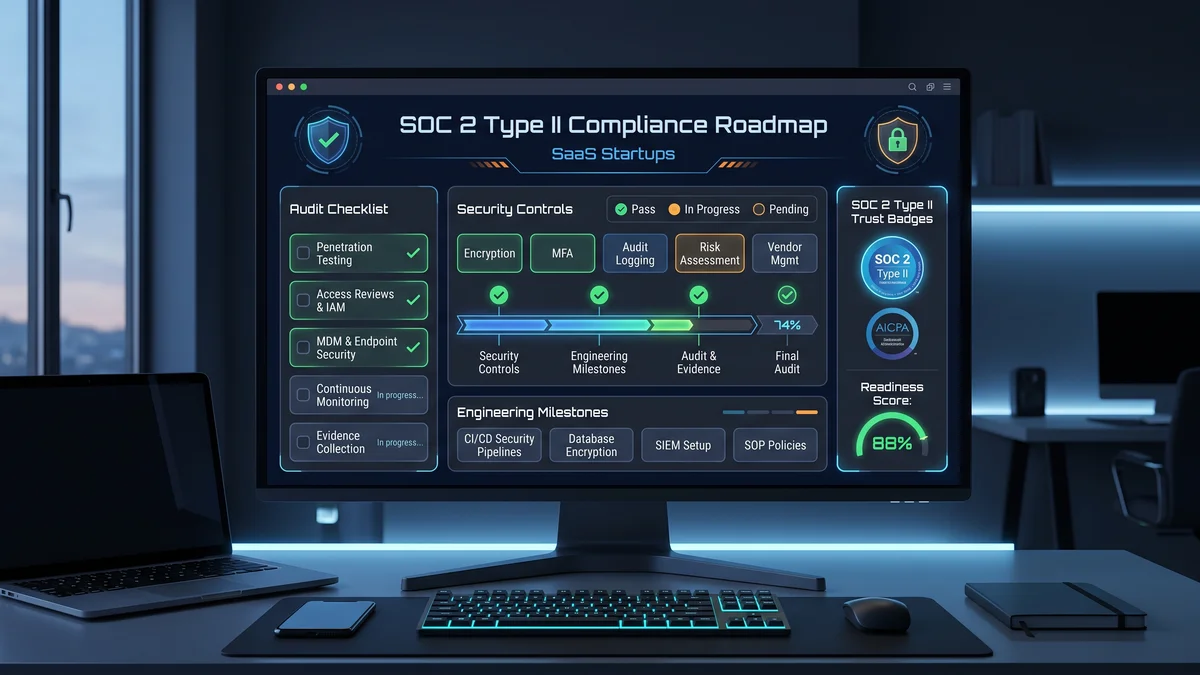
Why Enterprise B2B Buyers Mandate SOC 2 Type II When selling software to Fortune 500 enterprises, healthcare organizati...