
Sylnovia © 2026 · All Rights Reserved

Enterprise software cannot exist in a vacuum. Customers rely on third-party tools (Zapier, Make, Slack, internal ERPs) and expect your platform to notify them instantaneously whenever key events take place (e.g., a lead signs up, a payment succeeds, a status changes). Rather than forcing clients to poll your API every sixty seconds, Webhooks push real-time HTTP POST notifications directly to customer-configured URLs.
However, delivering millions of webhooks reliably across unreliable external networks is a serious engineering challenge that requires distributed queues, retry policies, and cryptographic security.
X-Sylnovia-Signature). Customers verify this signature to confirm payload authenticity.The primary reason developers get frustrated with webhook integrations is a lack of visibility. Build a self-service webhook dashboard inside your customer settings showing every webhook dispatch: HTTP status code, request payload, response body, latency, and a "Retry Now" button for manual debugging.
Sylnovia designs resilient event-driven architectures and webhook delivery platforms capable of processing millions of daily events with zero data loss. Contact our integration specialists to upgrade your platform's webhook ecosystem.
Delivering deep technical insights, architectural blueprints, and digital strategy for modern engineering squads.
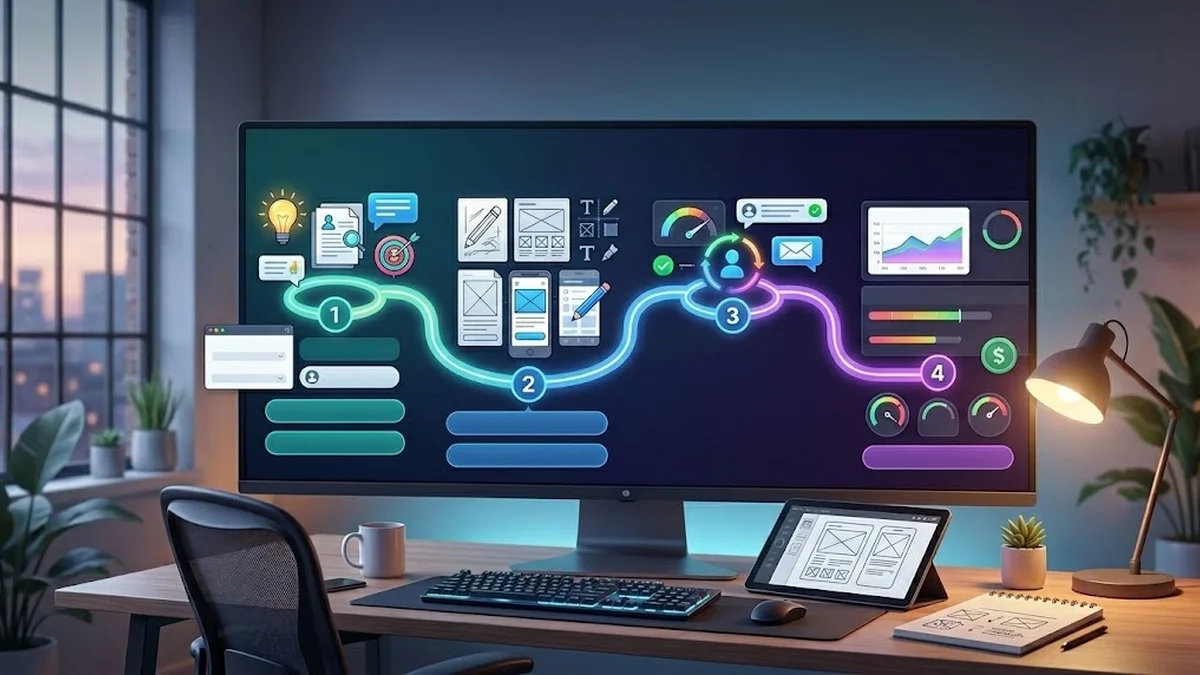
The Strategic Hiring Dilemma for Growing Businesses When leadership teams decide to build a custom software platform or...
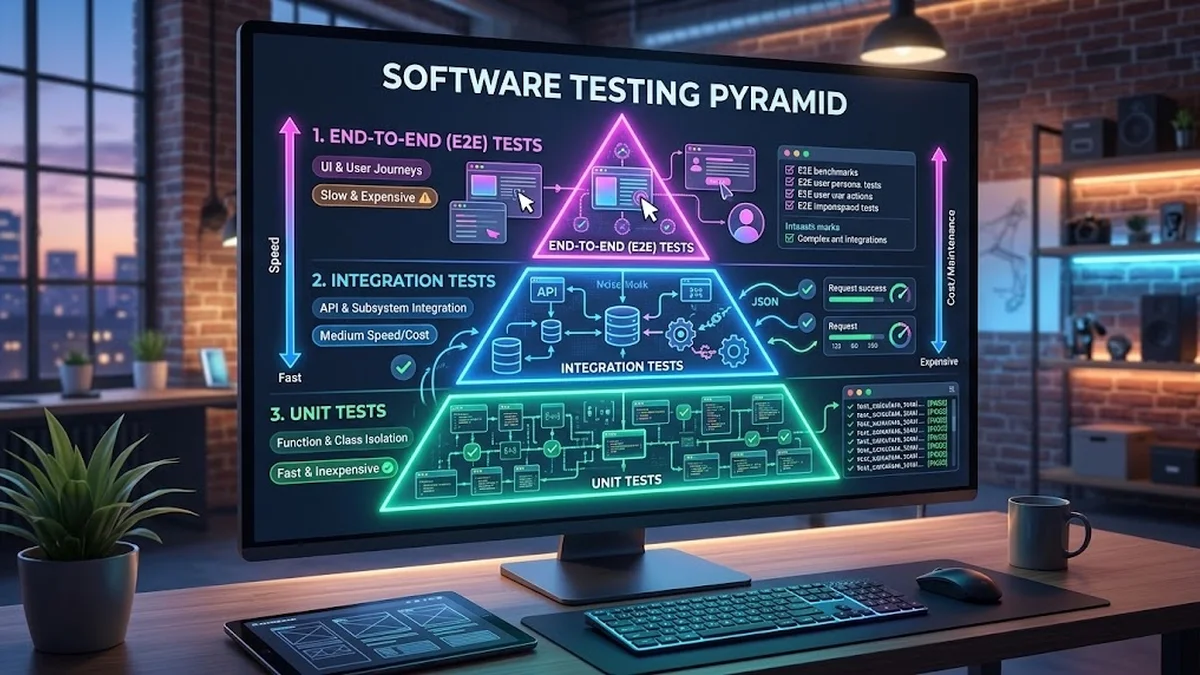
The False Dichotomy of Manual vs. Automated QA In software engineering discussions, testing is often framed as an all-o...
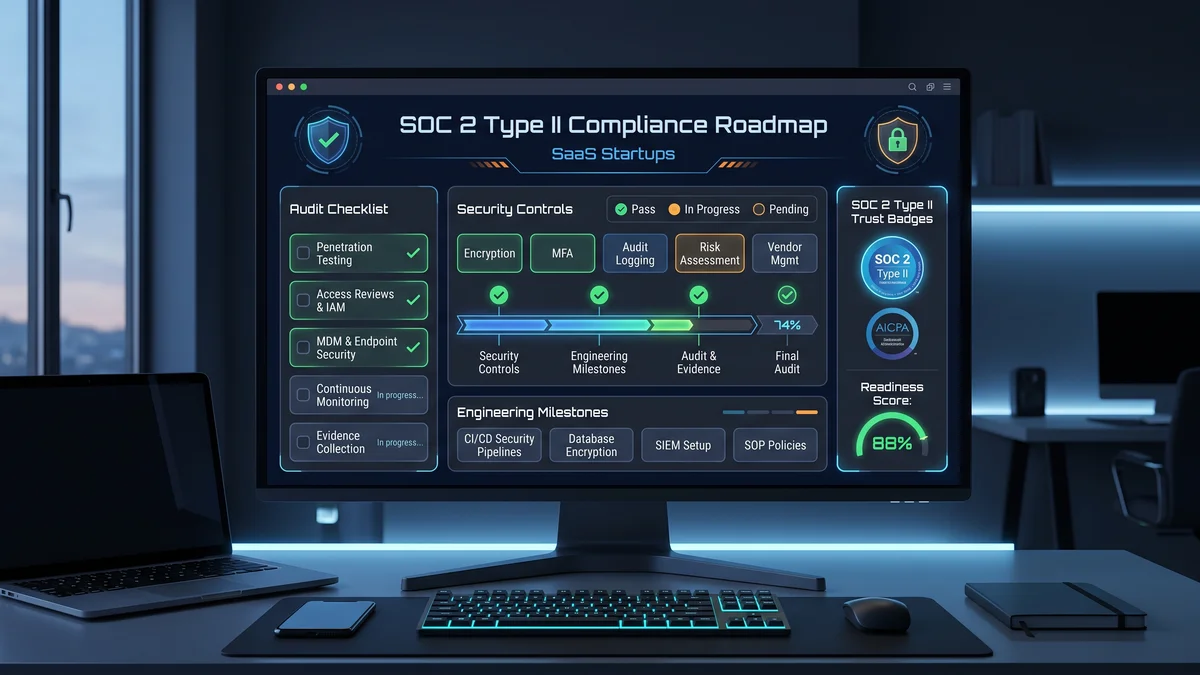
Why Enterprise B2B Buyers Mandate SOC 2 Type II When selling software to Fortune 500 enterprises, healthcare organizati...