
Sylnovia © 2026 · All Rights Reserved

For decades, enterprise search engines relied exclusively on lexical keyword matching (BM25, inverted index search via Elasticsearch or Solr). While effective for exact keyword matches, lexical search completely fails when users search using synonyms, natural language questions, or conceptual ideas. If a user searches for "compact affordable laptop for college students," a keyword engine will return zero results if product descriptions only contain "lightweight notebook computer for academic use."
Semantic Vector Search fundamentally transforms information retrieval by indexing content based on mathematical meaning rather than literal character matching.
Pure vector search has blind spots: it struggles with exact part numbers, product SKUs, and proper names. The industry standard is Hybrid Search:
High-converting search directly increases customer engagement and e-commerce revenue. At Sylnovia, we architect blazing-fast hybrid search engines using Elasticsearch, Meilisearch, Qdrant, and PostgreSQL pgvector. Upgrade your application's search intelligence today.
Delivering deep technical insights, architectural blueprints, and digital strategy for modern engineering squads.




The Strategic Hiring Dilemma for Growing Businesses When leadership teams decide to build a custom software platform or...
The False Dichotomy of Manual vs. Automated QA In software engineering discussions, testing is often framed as an all-o...
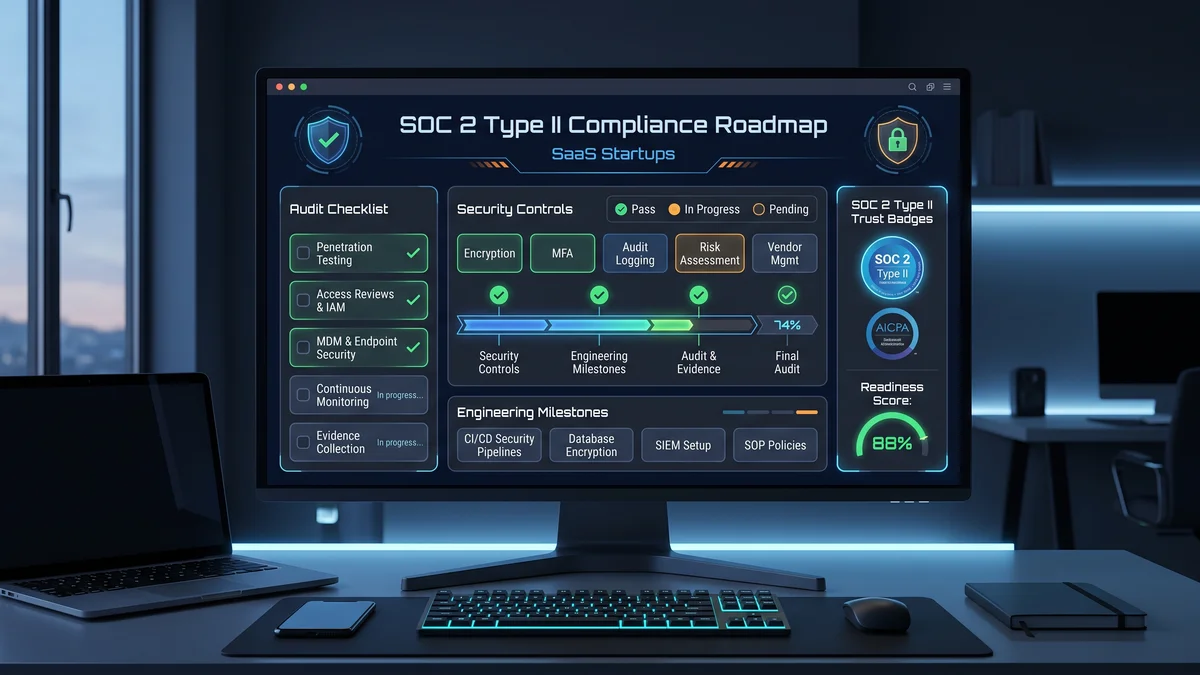
Why Enterprise B2B Buyers Mandate SOC 2 Type II When selling software to Fortune 500 enterprises, healthcare organizati...