
Sylnovia © 2026 · All Rights Reserved

For scaling enterprises, managing physical on-premise servers or generic shared hosting becomes a severe operational liability. Hardware failures cause prolonged downtime, scaling compute capacity requires weeks of procurement, and physical data centers lack modern security compliance controls. Migrating to Amazon Web Services (AWS) provides virtually unlimited scalability, 99.99% infrastructure availability, and access to over 200 fully managed cloud services.
However, migrating to the cloud without a structured architectural roadmap frequently leads to unexpected billing surges, security misconfigurations, and operational chaos.
The final cutover is orchestrated via Amazon Route 53 using weighted DNS routing. Gradually shift traffic (10%, 25%, 50%, 100%) to the new AWS environment while continuously verifying application telemetry, database write replication, and error logs.
Sylnovia guides organizations through seamless, zero-downtime cloud migrations. We design secure, automated AWS and cloud architectures tailored to your operational budget. Schedule a migration readiness assessment today.
Delivering deep technical insights, architectural blueprints, and digital strategy for modern engineering squads.



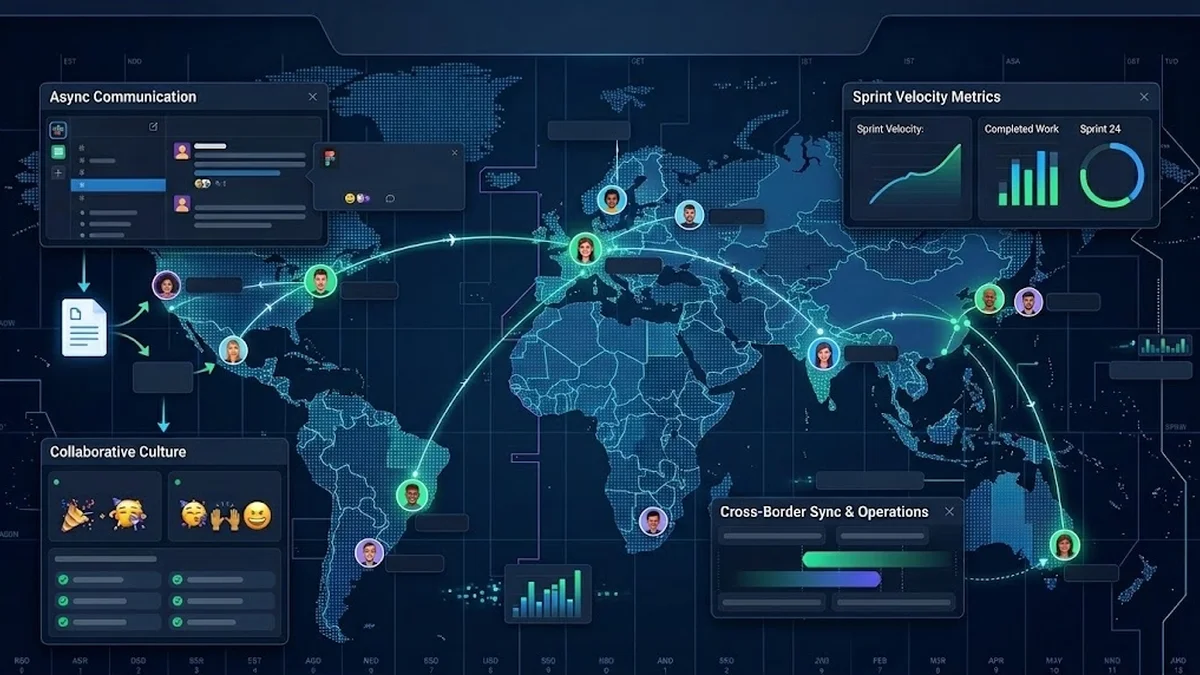
The Strategic Hiring Dilemma for Growing Businesses When leadership teams decide to build a custom software platform or...
The False Dichotomy of Manual vs. Automated QA In software engineering discussions, testing is often framed as an all-o...
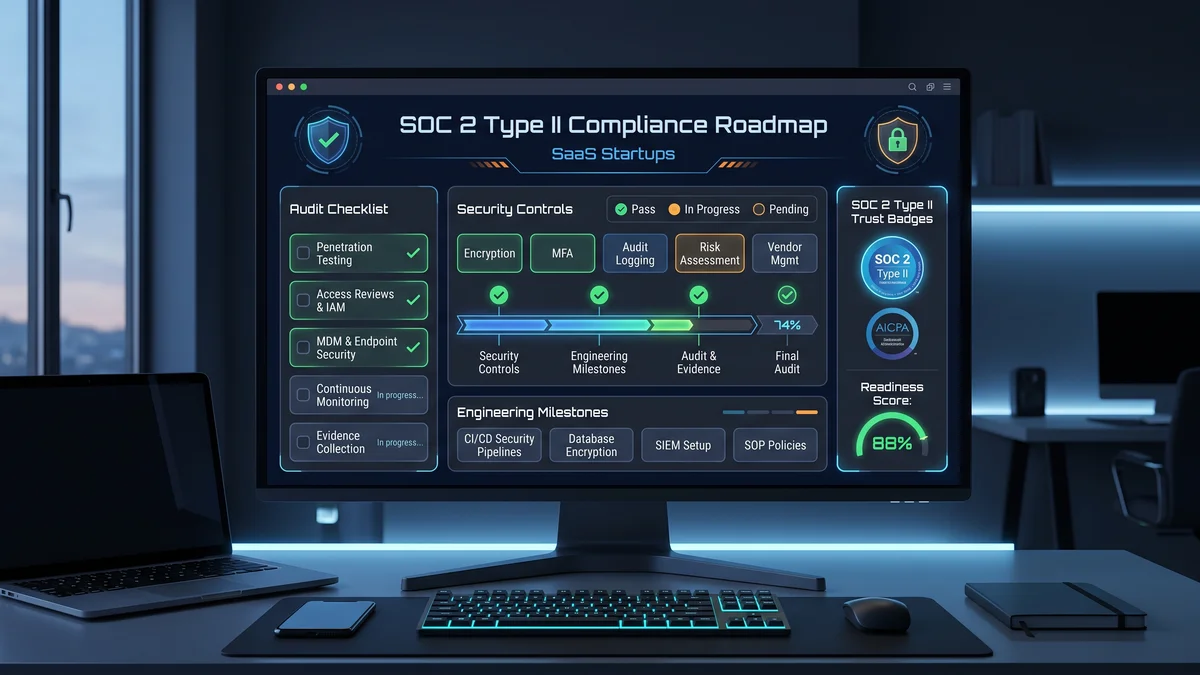
Why Enterprise B2B Buyers Mandate SOC 2 Type II When selling software to Fortune 500 enterprises, healthcare organizati...