
Sylnovia © 2026 · All Rights Reserved

In traditional code-first development, teams build the server-rendered web application first and only treat the API as a secondary afterthought when mobile apps or third-party integrations are urgently required. This creates fragmented endpoints, inconsistent validation rules, and tangled business logic.
API-First Development inverts this workflow: the Application Programming Interface is treated as a first-class product. It is formally designed, documented, and reviewed before any frontend or backend implementation code is written.
/api/v1/orders) or utilize header-based versioning. Never introduce breaking changes to existing production contracts.{
"success": true,
"data": { ... },
"meta": { "page": 1, "total": 100 },
"errors": null
}Idempotency-Key HTTP headers to prevent duplicate processing caused by network retries.An API without documentation is essentially broken. Utilize OpenAPI 3.1 specifications to automatically generate interactive documentation portals (Swagger UI, Redoc), automated client SDKs in multiple programming languages, and contract testing suites via tools like Spectral and Dredd.
Explore how Sylnovia connected multi-airline GDS inventory with prepaid deposit ledgers to accelerate ticketing turnaround to under 90 seconds.
At Sylnovia, we architect scalable, secure, and developer-friendly APIs designed for enterprise scale. Whether you need RESTful microservices, GraphQL federated graphs, or real-time event streams, our engineering team delivers production-ready APIs that power your digital ecosystem. Get in touch with our API architects today.
Delivering deep technical insights, architectural blueprints, and digital strategy for modern engineering squads.



The Strategic Hiring Dilemma for Growing Businesses When leadership teams decide to build a custom software platform or...
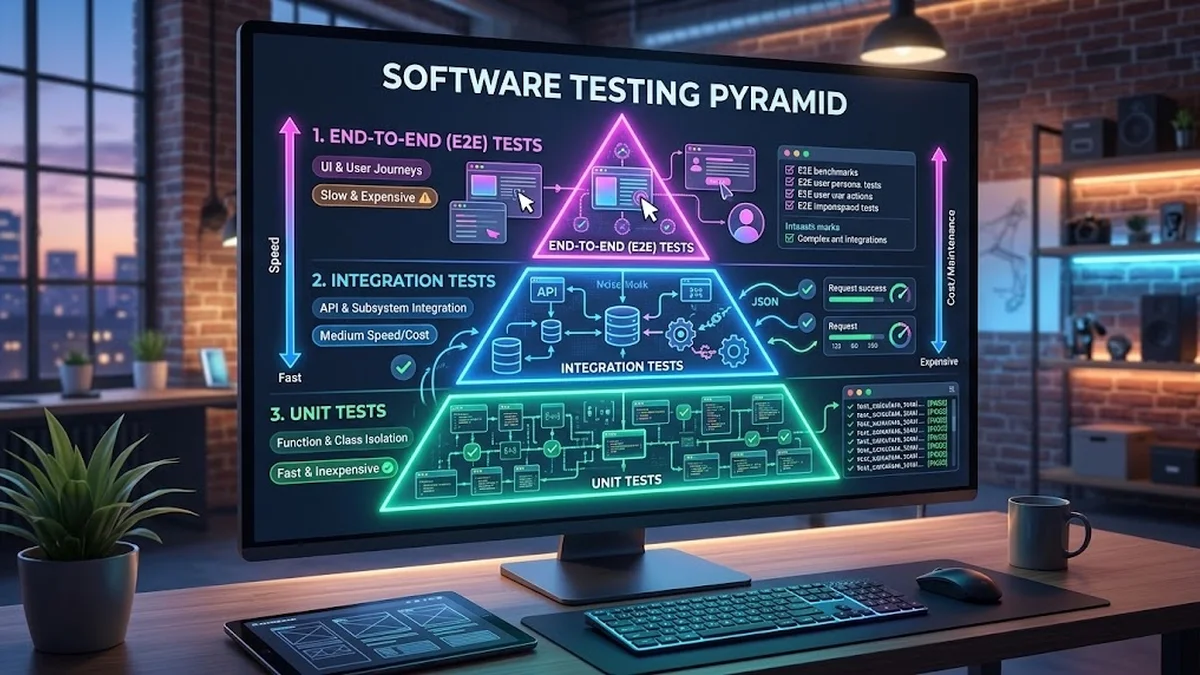
The False Dichotomy of Manual vs. Automated QA In software engineering discussions, testing is often framed as an all-o...
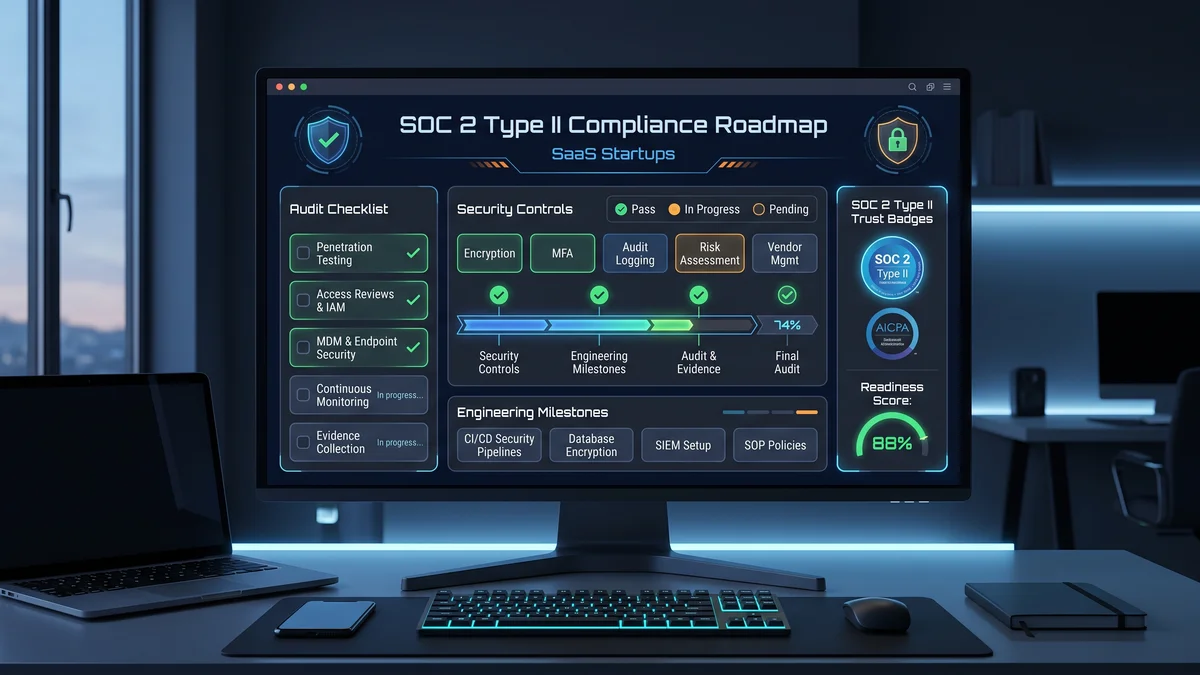
Why Enterprise B2B Buyers Mandate SOC 2 Type II When selling software to Fortune 500 enterprises, healthcare organizati...